
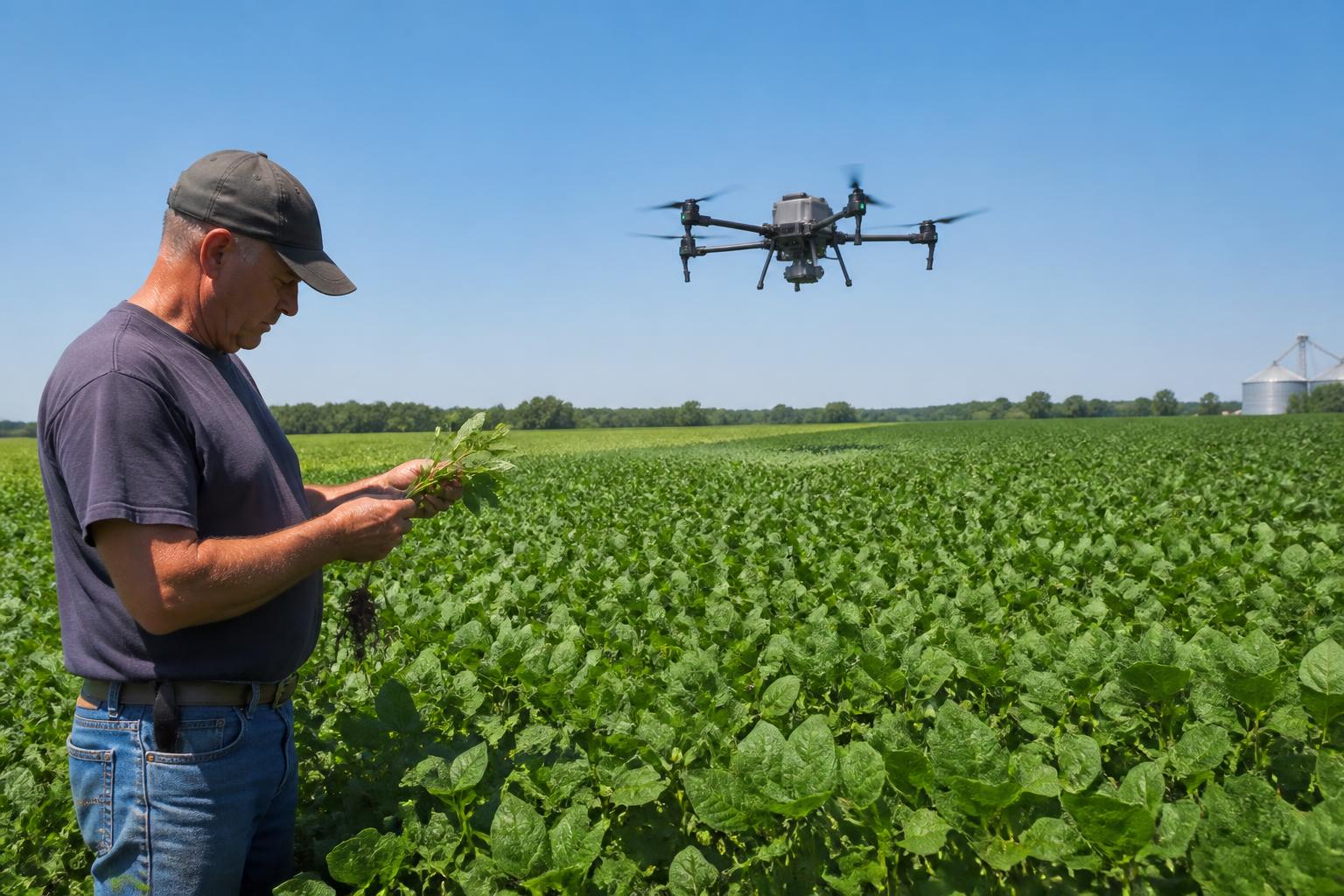
As summer settles across the Garden State, New Jersey's agricultural sector is navigating a complex web of preservation milestones, labor disputes, and shifting production models. With local logistics and supply chain pressures mounting, growers from Warren County to the southern coastal plains are balancing traditional field production with emerging indoor farming opportunities. Strategic planning this season requires a close look at land conservation, labor compliance, and national transport initiatives that directly affect regional markets.
Farmland Preservation and Regional Land Dynamics
In a major milestone for the state's agricultural preservation efforts, Warren County has permanently preserved its 300th farm. This ongoing commitment to safeguarding agricultural land comes at a critical time when development pressure remains high across New Jersey. Farmland preservation programs help secure the long-term viability of local food systems, ensuring that prime soils remain dedicated to food production rather than sprawling commercial developments.
However, securing the physical land is only one piece of the puzzle. Local operators must continually adapt to changing weather patterns and pest pressures. For producers focused on crop health, keeping up with innovative agronomy is crucial, as highlighted in our recent analysis of New Jersey crop protection strategies. Protecting these preserved acres requires both financial resilience and modern technical support.
Labor Friction and the Growth of Indoor Farming
While traditional growers work the fields, the state's agricultural labor market is experiencing significant legal friction. A recent lawsuit claims that unfair labor laws are cheating farmworkers in New Jersey, bringing renewed scrutiny to labor practices, overtime exemptions, and worker compensation. As these legal challenges unfold, agribusinesses are reviewing their compliance strategies and looking for ways to manage rising overhead costs.
At the same time, the demand for indoor-grown greens is skyrocketing. Vertical farms across the region are seeing a surge in demand, offering a controlled-environment alternative to traditional open-field cultivation. These facilities bypass many of the seasonal weather risks and labor bottlenecks associated with conventional farming, though they require substantial capital and energy inputs to operate. This division between high-tech indoor facilities and traditional soil-based operations is reshaping how New Jersey's fresh produce markets function.
National Logistics and Input Pressures
On the logistical front, New Jersey growers remain sensitive to national transport policies and supply chain movements. The National Grain and Feed Association (NGFA) has recently urged Congress to support rail shipping legislation aimed at improving service reliability and competitive access. Reliable rail transport is vital for moving bulk inputs, crop nutrients, and feed into the Northeast, which directly impacts local operational costs.
For regional distributors and grain handlers, rail congestion or pricing disputes can quickly translate to delays on the road. Navigating these regional transport bottlenecks requires a proactive approach, especially when managing the seasonal truck traffic typical of the summer months. To understand how regional infrastructure limits impact local movements, operators should review the guidelines on New Jersey summer ag transport. Furthermore, persistent debates over rail rules and fuel costs continue to shape the broader shipping landscape, as explored in our overview of New Jersey ag logistics and diesel trends.
Key Takeaways for Garden State Operators
- Preservation Milestones: Warren County's preservation of its 300th farm highlights strong regional support for keeping land in agricultural production.
- Labor Scrutiny: Ongoing litigation surrounding agricultural labor laws means farms must prioritize strict compliance and transparent wage structures.
- Indoor Agriculture Expansion: High demand for vertical farm greens offers alternative market channels, though traditional field crops remain the bedrock of the state's acreage.
- Logistics Advocacy: National efforts to reform rail shipping could bring needed relief to Northeast feed and fertilizer supply chains.
What it means for the market
For New Jersey agribusinesses, the summer of 2026 demands a dual focus on local compliance and national logistics. While land preservation programs protect the physical footprint of the Garden State's agricultural heritage, commercial viability will depend on navigating labor disputes and optimizing supply chains. Operators who diversify their marketing channels, leverage indoor farming growth, and closely monitor bulk input transport will be best positioned to maintain healthy margins through the remainder of the season.
Comments
No comments yet - be the first to share your take.