
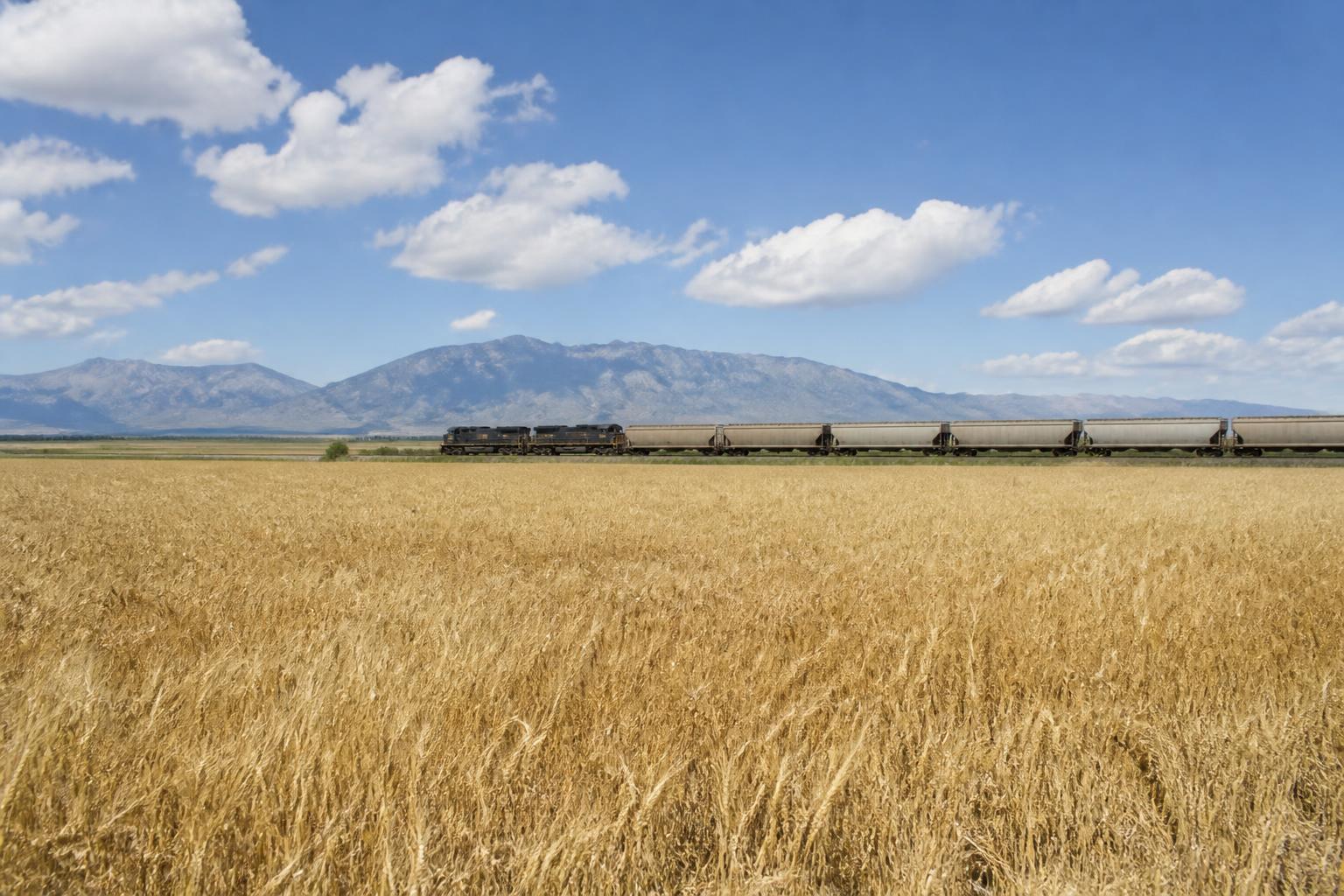
As summer heat settles over the agricultural valleys and dryland plateaus of Washington, local farmers and agribusinesses are adjusting to a wave of federal policy shifts. From the fertile soils of the Columbia Basin to the sprawling wheat fields of the Palouse, these national decisions are arriving just in time to influence seasonal operations and long-term input planning.
With the summer harvest season rapidly approaching, growers are particularly focused on securing affordable inputs and navigating the evolving regulatory environment. Recent federal actions concerning import tariffs, chemical registrations, and soil health research are expected to ease some of the tight margins that have pressured Pacific Northwest producers in recent seasons.
Fertilizer Tariff Suspension Eases Input Costs
In a major development for domestic crop production, the federal government has declared a food supply emergency, prompting the suspension of import tariffs on products from Africa-s largest fertilizer producer. This decision is expected to bring direct financial relief to Washington growers who have struggled with volatile nutrient costs over the past several years.
Because local dryland and irrigated operations rely heavily on stable fertilizer supplies to optimize yields, the removal of these import barriers could help stabilize retail prices ahead of the fall planting window. Agri-retailers and cooperative buyers along the Columbia River corridor are closely monitoring wholesale price adjustments to pass these potential savings on to local producers.
EPA Speeds Up Delayed Crop Protection Approvals
Further relief has arrived via the Environmental Protection Agency (EPA), which has advanced several long-delayed crop protection registrations. Agricultural advocacy groups have widely praised the move, noting that it provides farmers with critical, updated tools to manage pests and weeds during the peak growing season.
For Washington growers managing complex crop rotations, having access to newly approved active ingredients is essential. These registrations are particularly timely as warmer temperatures accelerate pest lifecycles, and they integrate well with ongoing local efforts to adopt integrated pest management practices. Indeed, keeping up with these regulatory updates is central to understanding how Washington crop protection and regenerative shifts are shaping the state-s modern farming landscape.
Federal Support for Regenerative Ag and Logistics
In tandem with crop protection updates, the White House has launched a new initiative to expand research into regenerative agriculture. This federal push aims to provide science-based support for soil health, cover cropping, and water conservation-practices that are increasingly relevant to Washington-s diverse microclimates, from wet coastal regions to arid eastern counties.
While research funding builds long-term resilience, immediate logistics and export access remain the lifeblood of the regional economy. As the region prepares for the upcoming harvest, managing rail congestion and river barge traffic is a primary concern for grain handlers, especially when analyzing the broader Washington grain market and supply chain hurdles that typically emerge during the peak export months.
What it means for the market
For Washington-s agricultural sector, the combination of suspended fertilizer tariffs and advanced EPA pesticide approvals provides a dual boost to operational flexibility and cost management this summer. Lower projected input expenses for the upcoming crop cycles should improve margins for grain and specialty crop producers alike. Moving forward, Washington agribusinesses should lock in fertilizer requirements early to take advantage of the tariff suspension while keeping a close eye on regional export logistics to ensure timely crop movement to Pacific Northwest ports.
Comments
No comments yet - be the first to share your take.