
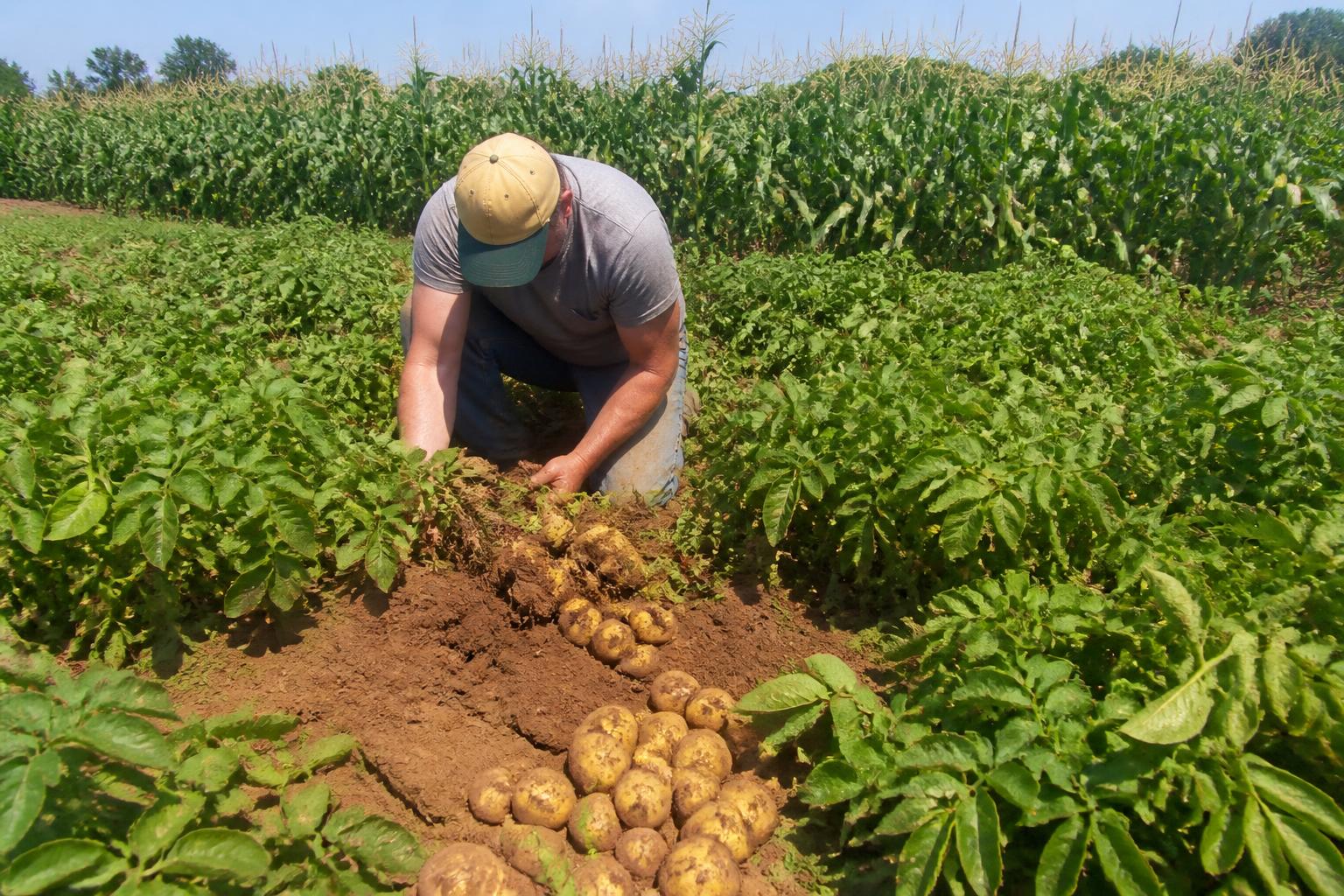
As the long July days bring peak sunshine to Alaska's agricultural regions, local growers in the Matanuska and Tanana Valleys are capitalizing on the intensive growing window. With nearly round-the-clock daylight, crops grow at accelerated rates, but so do the weeds and pests that threaten regional yields. Securing adequate crop protection is a critical priority for commercial operations striving to maximize their short-season output.
Recent developments in pest management, including the introduction of new targeted biological tools, are offering potato and vegetable growers more precise ways to defend their crops. At the same time, regional logistics and federal funding opportunities are helping farmers secure their operations against unexpected summer pressures.
New Tools for Alaskan Potato Growers
Potatoes remain one of the most vital commercial crops in Alaska's unique agricultural landscape. Managing underground pests and nematode populations is essential to maintaining tuber quality. The recent introduction of ARINO by Pro Farm Group, a combined insecticide and nematicide formulated specifically for potatoes, highlights a growing trend toward integrated pest management tools. For local growers, utilizing these dual-action solutions can help streamline field applications during the frantic summer scramble.
Implementing targeted treatments is particularly important when managing high-latitude soils. Integrating these tools with robust high-latitude crop protection and soil management practices ensures that delicate northern soils remain productive and resilient against both insect pressure and environmental stress.
Overcoming Remote Logistics Barriers
Bringing specialized crop protection products to Alaska is notoriously difficult. Freight forwarding, specialized temperature-controlled transit, and tight shipping windows often complicate input delivery. Industry leaders frequently highlight how specialized logistics expertise in the transportation sector is vital for keeping remote supply chains flowing. For Alaskan growers, a delay in a biological or chemical shipment can miss the narrow application window entirely.
Because of these geographical realities, forward-planning and building relationships with reliable regional distributors are essential. Many growers have adjusted their purchasing schedules early in the season, ensuring that summer crop protection and input logistics are locked in before peak demand strains transport networks along the Alaska Highway and marine shipping lanes.
Weed Management and Plant Protection Grants
Beyond pest management, weed control remains a constant battle under the midnight sun. Species such as goatsbeard (Tragopogon), which can thrive in disturbed soils, pastures, and roadsides, require diligent monitoring to prevent them from encroaching on valuable cropland. Keeping fields clean prevents invasive or aggressive species from competing with high-value vegetable crops for scarce soil nutrients.
To help fund these intensive mitigation efforts, growers and local agricultural organizations are encouraged to apply for plant protection project funding. These grants support innovative ideas to safeguard plant health, monitor invasive pests, and develop localized management strategies. Investing in these programs helps maintain the delicate balance of soil health and crop protection in peak summer, when the pressure on local ecosystems is at its highest.
Key Takeaways for Alaska Growers
- Leverage Dual-Action Tools: New biologicals and targeted insecticide-nematicide options like ARINO can simplify pest control in potato fields during busy summer months.
- Mitigate Logistics Risks: Work with specialized transport providers early to prevent critical input delays.
- Monitor Invasive Weeds: Watch for species like goatsbeard that can aggressively compete with commercial crops under continuous daylight.
- Apply for Funding: Explore federal and state plant protection grants to offset the costs of developing localized pest and weed control strategies.
What it means for the market
The success of Alaska's summer growing season depends heavily on timely crop protection and efficient logistics. As new pest control technologies enter the market and funding becomes available for regional plant health initiatives, local growers are better equipped to protect their investments. Managing these summer inputs effectively will determine final potato and vegetable yields, directly influencing the availability and price of locally grown produce in Alaskan markets during the upcoming fall harvest.
Comments
No comments yet - be the first to share your take.