
As summer reaches its peak in New Hampshire, Granite State producers are focusing heavily on resource protection. Safeguarding the long-term viability of agricultural operations requires a multi-layered approach. Growers and land managers from the Connecticut River Valley to the Seacoast are currently balancing legislative actions, soil preservation strategies, and cutting-edge aerial technologies to secure their livelihoods.
With volatile summer weather and evolving market demands, proactive defense of natural resources has become a primary driver of farm management. Stakeholders are actively working to protect soil health, preserve agricultural acreage, and adopt clean technologies to ensure regional food security and environmental resilience.
Addressing Contamination and Preserving Farmland
One of the most significant protective developments in New Hampshire agriculture is the bipartisan effort among state lawmakers to address PFAS (per- and polyfluoroalkyl substances) contamination on agricultural lands. As awareness of these persistent chemicals grows, new legislative frameworks aim to provide essential support and mitigation strategies for affected farms. This collective action is crucial for maintaining consumer trust and securing clean water and soil resources across the state.
Simultaneously, long-term land conservation remains a cornerstone of regional protection. The NRCS in New Hampshire continues to facilitate agricultural land easements, ensuring that valuable soils remain in production rather than face development. Local successes, such as the Cox family conserving an additional 36 acres of the historic Tuckaway Farm, underscore the community-driven commitment to permanent soil and habitat protection.
Reevaluating Crop and Soil Protection Strategies
Pest and weed management practices are also undergoing a significant shift. Recent agronomic research warns that conventional chemical seed treatments may sometimes backfire by harming beneficial soil fauna, which in turn can inadvertently assist weed proliferation. This has prompted New Hampshire growers to look closely at integrated pest management (IPM) and alternative applications.
To reduce chemical dependency and foster healthier soil biomes, many regional operations are turning to biological solutions. For instance, incorporating innovative crop protection methods in New Hampshire, such as utilizing local seafood byproducts and precise application tools, allows farmers to suppress pests while maintaining the delicate balance of their local ecosystems.
The Rise of Autonomous Aerial Defense
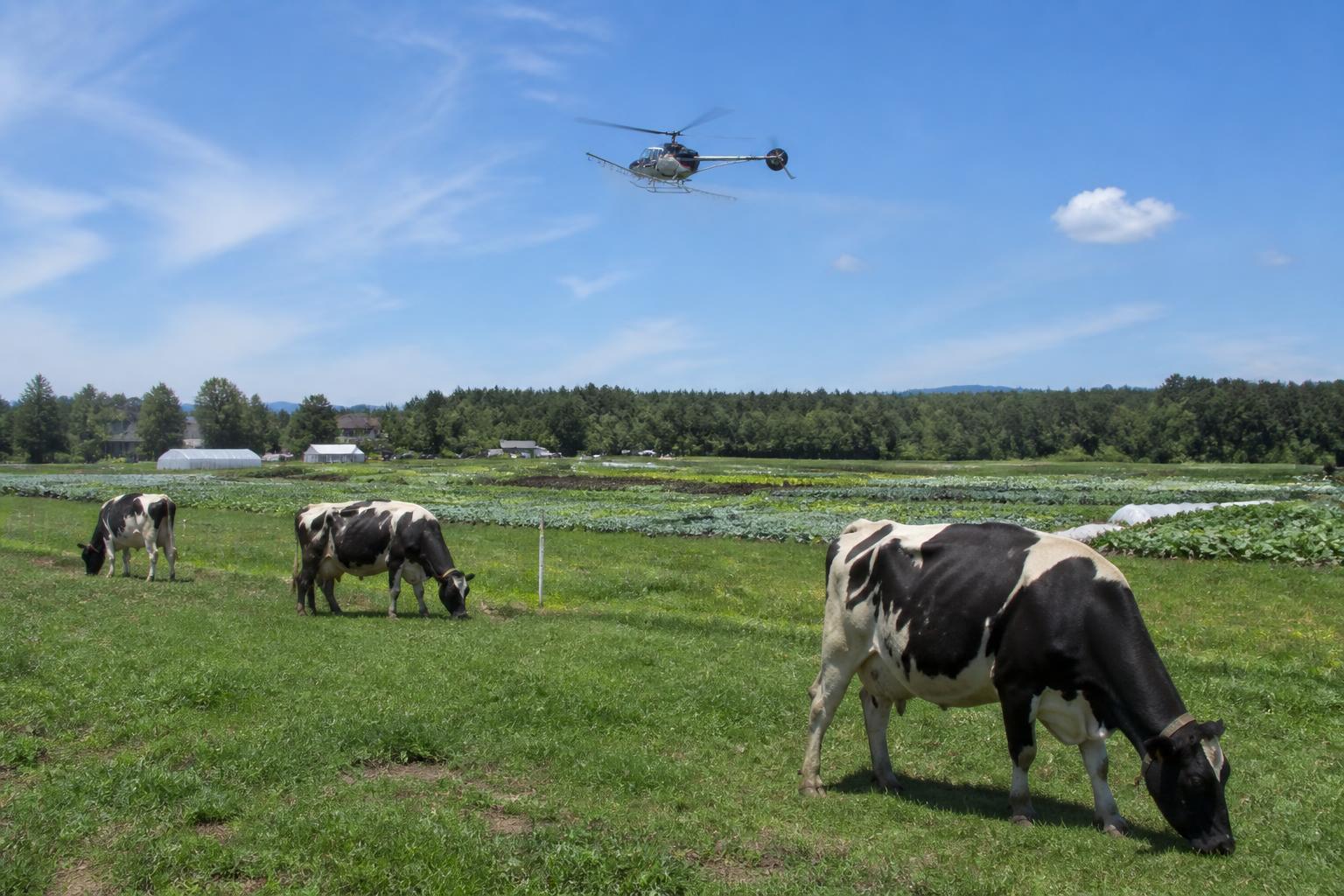
On the technological front, New Hampshire is emerging as a testing ground for next-generation crop defense. Local innovation includes the development of autonomous helicopters designed to spray crops and combat wildfires. These pilotless aircraft offer highly targeted application capabilities, reducing chemical drift and minimizing the exposure of farmworkers to active ingredients.
By automating aerial applications, farmers can respond rapidly to sudden pest pressures or local fire hazards. This level of precision ensures that protective measures are deployed only where and when they are absolutely necessary, saving input costs and protecting surrounding non-target vegetation.
Key Takeaways for Granite State Producers
- Legislative Support: Stay informed on state-level PFAS mitigation bills, which may offer testing resources and financial protections.
- Easement Programs: Utilize NRCS agricultural land easements to protect working farms from non-agricultural development pressure.
- Soil Biology: Limit systemic seed treatments where beneficial soil organisms are crucial for natural weed and pest suppression.
- Precision Tools: Watch for local advancements in autonomous aerial spraying to improve application safety and efficiency.
What it means for the market
For New Hampshire agribusinesses and food systems, prioritizing resource protection is no longer just an environmental goal - it is a core business strategy. As state regulations tighten around contaminants like PFAS and soil health becomes a metric of farm valuation, operations that adopt proactive soil-testing, conservation easements, and targeted crop protection technologies will hold a distinct competitive edge. These protective measures ultimately stabilize regional supply chains, satisfy eco-conscious consumer bases, and ensure that New Hampshire agriculture remains resilient for seasons to come.
Comments
No comments yet - be the first to share your take.