
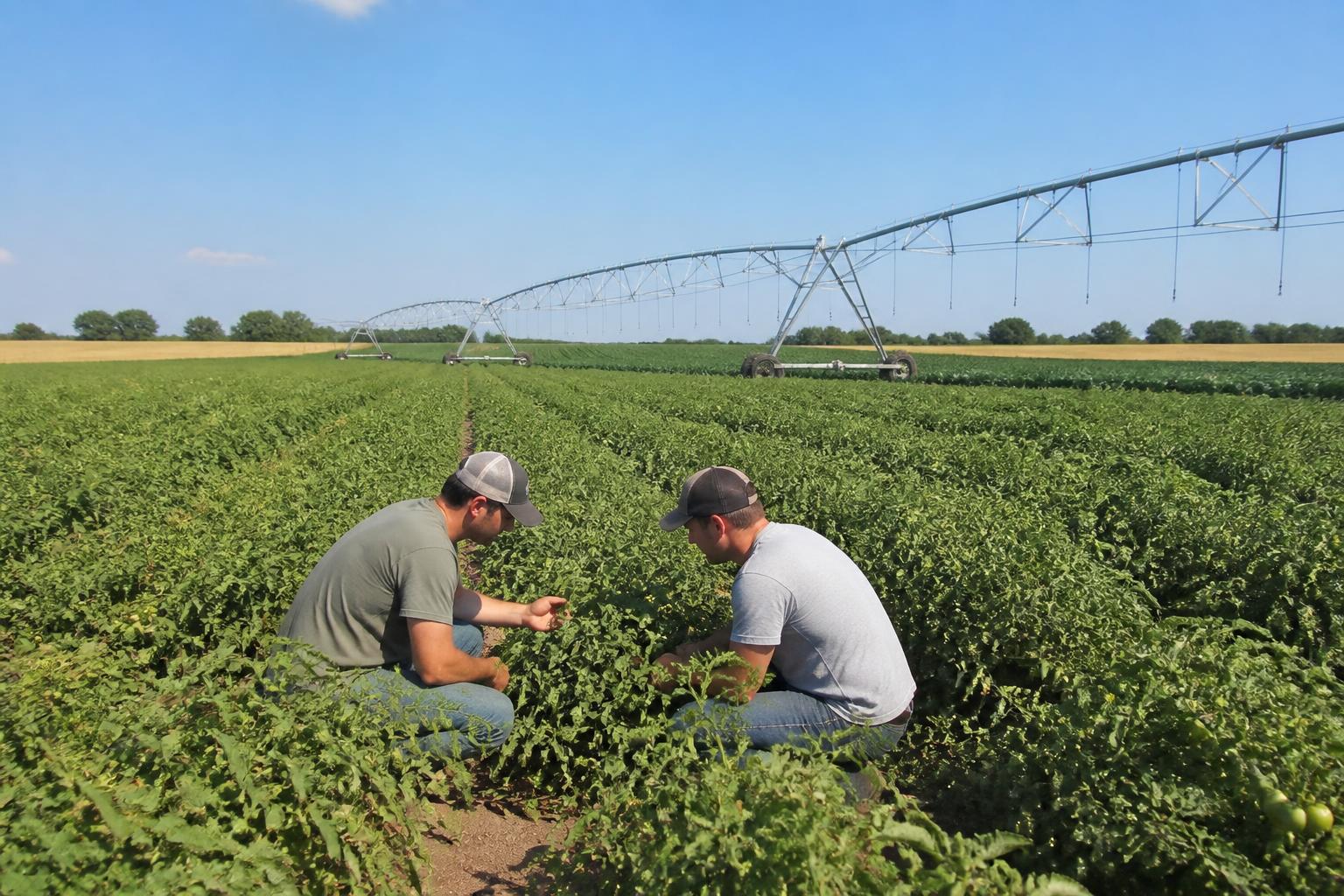
As summer temperatures peak in July, Arizona growers face a complex matrix of agronomic decisions. Managing extreme desert heat while shielding crops from persistent pest and disease pressures requires precise execution. From the vegetable-heavy fields of Yuma County to the grain and forage operations in Pinal and Maricopa counties, agricultural producers are leaning heavily on integrated pest management (IPM) and efficient irrigation systems to protect their bottom line.
With water resources under constant scrutiny across the Southwest, controlling input expenses is a primary concern. Farmers must coordinate logistics, soil health practices, and pest suppression strategies to navigate these seasonal hurdles successfully.
Managing Viral and Pest Pressures in the Desert Heat
Desert vegetable production requires constant vigilance against insect-vectored crop diseases. The confirmation of Impatiens Necrotic Spot Virus (INSV) in desert lettuce has heightened concerns for regional growers, emphasizing the need for robust weed science and active insect management. Pests like aphids not only cause direct damage to foliage but also serve as vectors for devastating pathogens, making early intervention critical.
In addition to leafy greens, grain and field crop producers must contend with seasonal toxins. Aflatoxin remains a persistent threat in warm, dry climates, particularly for corn and cotton seed crops. Implementing modern mitigation strategies is essential to keep grain quality within marketable standards, avoiding costly rejections at elevators and feedlots.
Optimizing Water and Soil Assets
With water allocation being a defining factor for Southwestern agriculture, center pivot irrigation systems have proven highly effective at containing crop production costs. By delivering precise moisture volumes directly to the root zone, these systems reduce evaporation losses during the intense summer heat. Producers are also exploring innovative soil amendments and novel technologies capable of improving sand structure and water-holding capacity in arid environments. Proper nutrient management is equally vital, as detailed in recent analyses of desert soil dynamics under extreme heat conditions.
Additionally, diversifying crop rotations with drought-resilient options, such as industrial hemp grown for grain, is emerging as a viable alternative to traditional high-water-use crops, offering growers a way to conserve resources while maintaining productive acreage.
Logistics and Freight Infrastructure
Ensuring that harvested commodities reach their domestic and international destinations smoothly is another key piece of the summer puzzle. Major western rail carriers, including Union Pacific, continue to streamline agricultural logistics to support bulk grain and specialty crop movements. However, local truck transport and regional lane constraints still dictate much of the day-to-day shipping cost. Growers are continuously adapting to changing summer shipping lanes to minimize freight premiums and keep local distribution channels fluid.
Key Takeaways for Arizona Producers
- Prioritize Weed and Vector Control: Maintain strict field margins to reduce host plants for thrips and aphids, mitigating the spread of INSV and downy mildew.
- Leverage Efficient Irrigation: Utilize center pivots and soil moisture sensors to maximize water-use efficiency and lower utility overhead during peak summer demand.
- Monitor Grain Quality: Test regularly for aflatoxin and implement preventative biological controls where applicable to preserve crop value.
What it means for the market
For the Southwestern agricultural market, the combination of active pest management, water conservation, and strategic logistics planning will separate profitable operations from those struggling with seasonal deficits. As desert growers refine their summer strategies, maintaining grain quality and keeping logistics lines open will ensure Arizona remains a vital contributor to the regional agricultural supply chain throughout the hot summer months.
Comments
No comments yet - be the first to share your take.