
As Rhode Island enters the peak of the summer season, local farmers, orchardists, and land managers are confronting a multi-layered set of challenges. Protecting high-value coastal crops requires keeping a close watch on regional biological pressures while navigating broader macroeconomic shifts. From insect threats in the canopy to policy-driven shifts in soil input availability, proactive management is proving essential for the state's agricultural community.
The Threat of Defoliation: Winter Moth Pressure
A primary concern for Rhode Island's specialty crop growers and timber owners is the threat of defoliation from winter moth caterpillars. These pests pose a recurring risk to the region's deciduous trees, particularly oaks, maples, and fruit-bearing trees like apples and blueberries. In coastal pockets and counties such as Newport and Washington, where orchard production and ornamental nurseries represent critical economic sectors, monitoring canopy health is a top priority.
Extension services and researchers, including those at the University of Rhode Island, emphasize early scouting and targeted biological or chemical controls to mitigate damage. For growers trying to minimize environmental runoff near sensitive coastal estuaries, selecting precise crop protection tools is critical to maintaining both yield and ecological balance.
Fertilizer Emergencies and Regional Supply Logistics
On the input side, the national declaration of a fertilizer emergency aimed at protecting the U.S. food supply has injected fresh volatility into the market. For small-scale and diversified operators in southern New England, securing essential soil amendments at predictable prices remains an ongoing struggle. Rhode Island growers have spent the season managing volatile input costs during peak periods, prompting many to look at alternative cropping systems and conservation-tillage options to reduce synthetic fertilizer dependency.
Fortunately, local transport and logistics options are seeing significant developments. The expansion of Pinnacle Logistics at T.F. Green International Airport and the Quonset Business Park provides the region's agribusinesses with stronger freight connections. These logistical upgrades, paired with ongoing coastal logistics and local research efforts, help ensure that specialty crops and sensitive agricultural products can move efficiently to broader East Coast distribution networks.
Sustaining Retail and Community Market Access
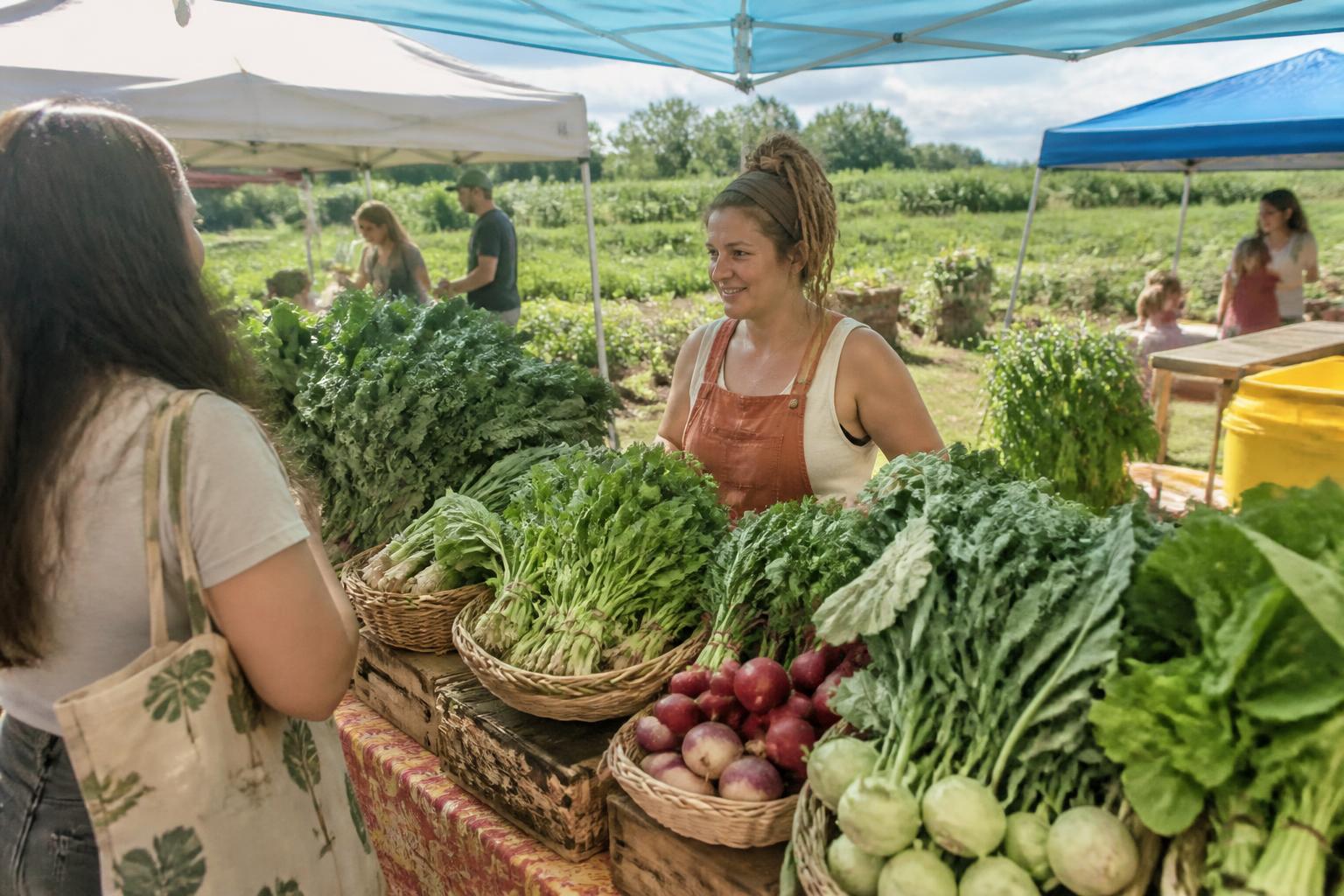
While managing crop protection and transport logistics, maintaining strong direct-to-consumer pipelines is vital for Rhode Island's farm economy. Financial cooperatives like Farm Credit East have stepped up support for local farmers' markets, ensuring that small-scale producers can capture premium retail value directly from consumers. This support is especially valuable during the busy summer tourism season, when demand for fresh, locally grown produce spikes across the state.
What it means for the market
For Rhode Island agribusinesses, the intersection of local pest pressures, volatile national input policies, and improved transport infrastructure means that agility is key. Operators who invest in precise crop protection programs to combat defoliation risks, while taking advantage of upgraded local shipping corridors and community retail support, will be best positioned to protect their margins through the remainder of the summer season.
Comments
No comments yet - be the first to share your take.