
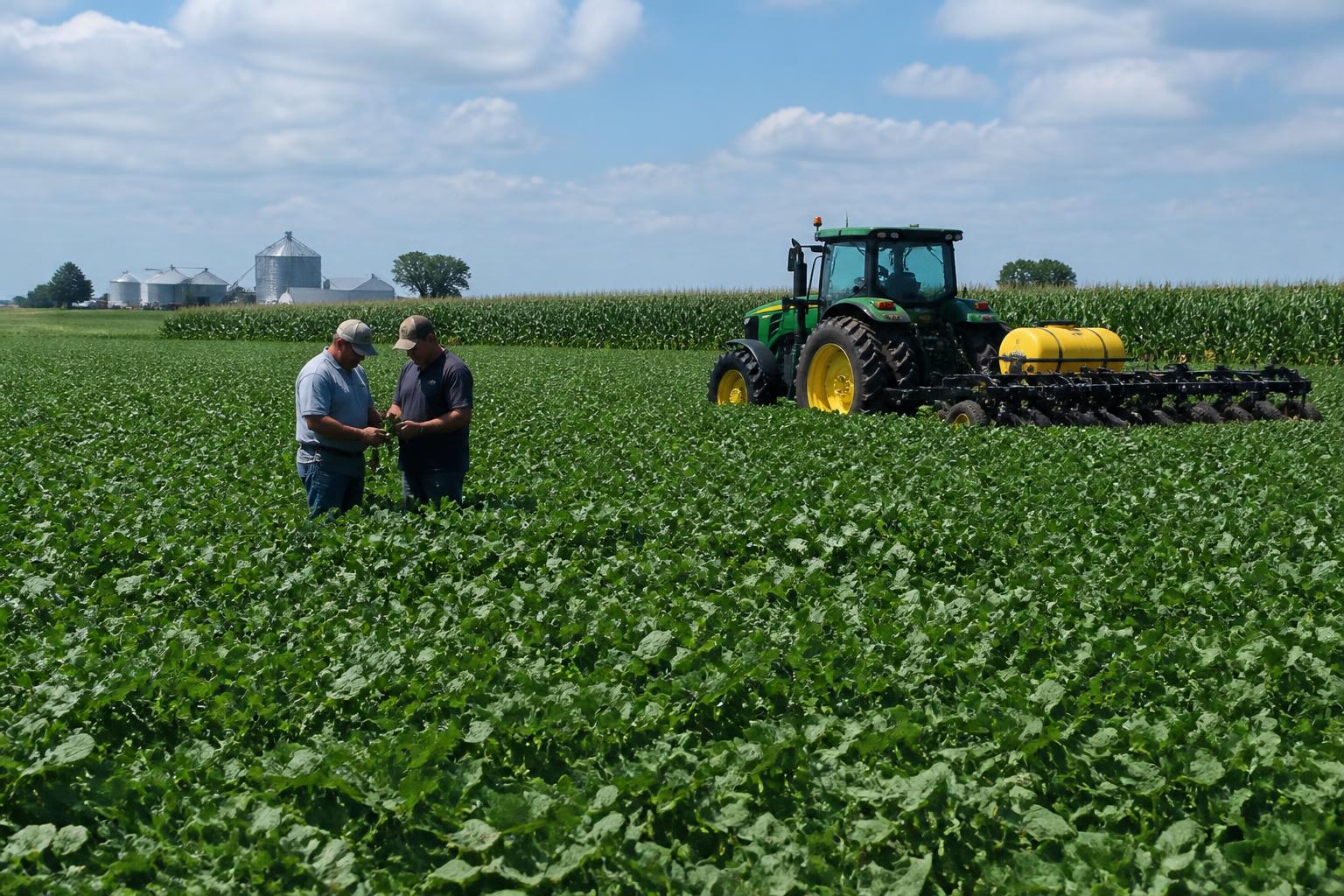
As the mid-summer heat settles over the Delmarva Peninsula, Delaware growers are navigating a shifting landscape for crop inputs. While international trade disruptions and global conflicts continue to keep a significant portion of the world's fertilizer supply under long-term threat, recent weeks have brought welcome domestic breathing room. Sharp drops in urea prices have provided immediate relief to cash-flow planning, allowing local grain handlers and growers to secure critical nutrients at more manageable rates.
At the same time, regional logistics and environmental considerations remain at the forefront for Delaware's agricultural operations. Balancing soil health, regulatory compliance, and input budgets requires a highly localized approach, especially when dealing with the state's diverse coastal soils and intensive poultry operations.
Easing Global Inputs Benefit Delmarva Growers
Recent international market corrections have translated into practical opportunities on the ground in Delaware. The notable decline in global urea prices has eased some of the pressure on summer budgets, helping offset broader energy-related volatility. Growers in Sussex, Kent, and New Castle counties are utilizing this seasonal window to reassess their nutrient purchasing strategies for upcoming rotations.
However, industry analysts warn that global supply chains remain fragile. With geopolitical tensions threatening major shipping lanes and export limits in place across several major producing nations, long-term procurement security is still a primary concern. Local crop input buyers are encouraged to stay informed on Delaware fertilizer market relief opportunities to lock in favorable pricing before the fall demand spike.
Prioritizing the Phosphorus Site Index in Local Soils
In Delaware, crop nutrition is about much more than just finding the lowest price; it is about precise application. Given the close proximity of agricultural land to sensitive Chesapeake Bay and Delaware Bay watersheds, nutrient runoff mitigation is a top priority. The University of Delaware's Phosphorus Site Index (PSI) serves as a vital tool for growers managing manure and commercial phosphorus inputs.
The PSI helps producers assess the risk of phosphorus movement from specific fields based on soil characteristics, transport pathways, and management practices. Utilizing this index allows farmers to make data-driven decisions on where phosphorus applications can be safely maximized and where conservation practices must be prioritized. Proper integration of these soil management tools ensures that local operations remain both economically viable and environmentally compliant.
Agricultural Research and Industry Shifts
Delaware continues to hold a prominent position in crop science research, even as corporate headquarters shift. Although major players like Corteva Agriscience have transitioned their primary corporate bases out of the state in recent years, Delaware's research infrastructure remains robust. For instance, FMC Corporation has continued to invest in its local agricultural research facilities, reinforcing the state's role in developing next-generation crop protection and nutrition technologies.
These local research hubs are essential for addressing regional challenges, from invasive weed management to pollinator safety initiatives. Having cutting-edge science close to home helps Delaware growers adapt quickly to emerging agronomic trends and shifting environmental policies.
Key Takeaways for Delaware Growers
- Seize pricing windows: Take advantage of recent drops in urea to average down total nitrogen costs for future crop cycles.
- Utilize the Phosphorus Site Index: Work with local extension agents to update field-specific PSI scores, ensuring compliance and optimal manure utilization.
- Monitor long-term logistics: Keep a close eye on global energy markets and potash supply dynamics as trade policy discussions and geopolitical pressures continue to influence wholesale input costs.
What it means for the market
The convergence of easing fertilizer prices and advanced regional research gives Delaware agribusinesses a solid foundation for the remainder of the summer season. While global market uncertainties have not disappeared, the current cost relief on nitrogen products allows growers to allocate resources toward precision soil management and environmental stewardship. Navigating the second half of the year successfully will require Delaware farmers to balance strategic market purchasing with rigorous on-farm conservation practices.
Comments
No comments yet - be the first to share your take.