
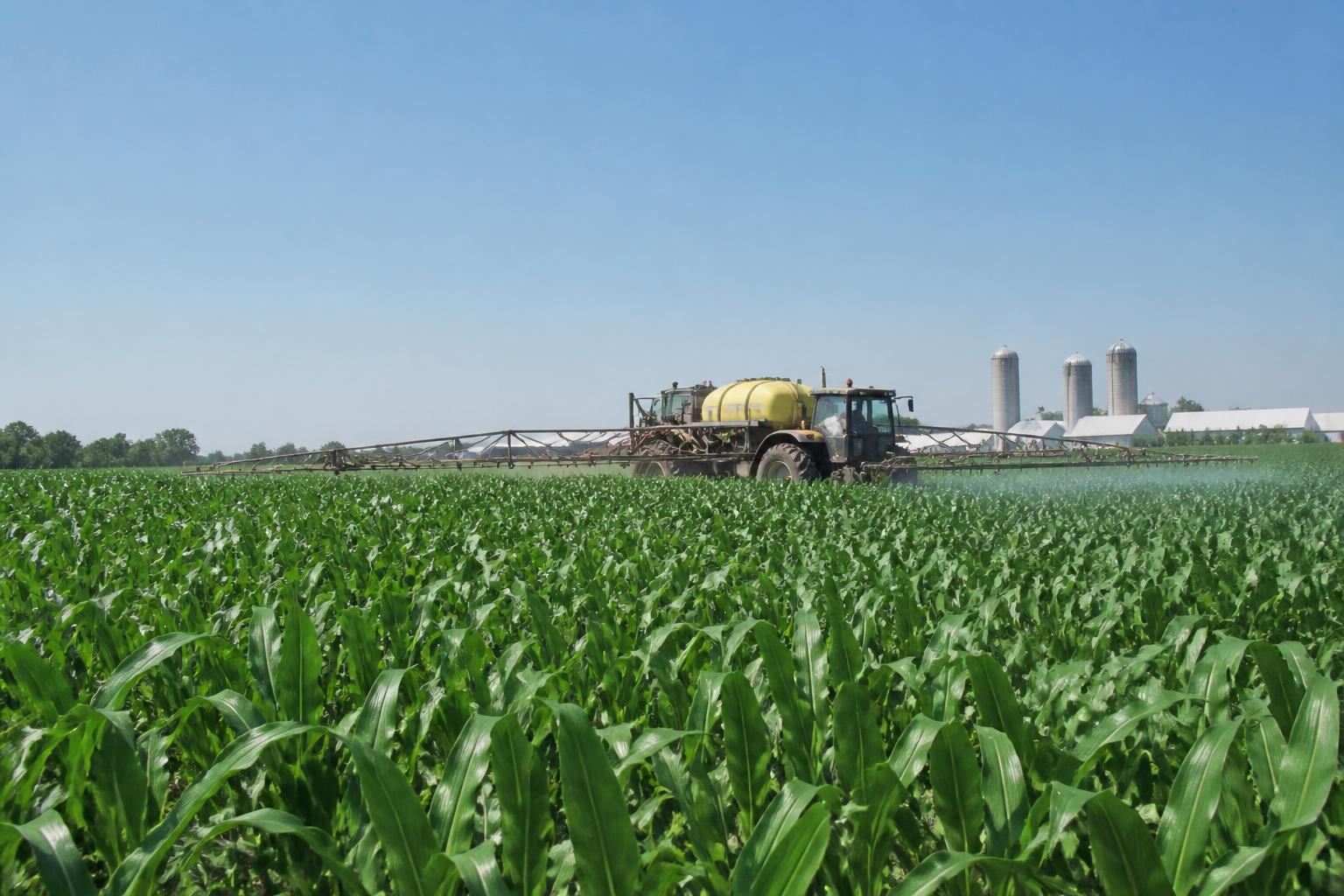
Wisconsin producers are currently navigating a challenging economic environment as the summer season progresses. Rising input costs, specifically regarding fertilizer and fuel, are placing significant pressure on farm-gate margins across the state. These economic hurdles are arriving at a time when local farmers are already adjusting their management practices to address evolving market shifts and tightening summer margins.
The logistics landscape for the region is also in a state of flux. With the recent closure of major grain terminals, such as the facility in the Port of Duluth-Superior, elevators and carriers are rethinking their transport routes. This shift complicates the flow of commodities from the Upper Midwest to key export markets, forcing agribusinesses to seek out alternative, and often more costly, supply chain solutions to remain competitive.
Managing On-Farm Risks in a Volatile Season
As farmers look to protect their bottom line, the focus has increasingly turned to precision input management. With fertilizer prices climbing, many are looking at on-farm trials that identify yield-boosting hybrids and more efficient nutrient application strategies. This is particularly relevant for those dealing with continuous corn, where soil health and greenhouse gas management are becoming central to long-term profitability. Furthermore, producers remain vigilant regarding crop health, with reports of pest pressure, including black cutworm, keeping growers alert during the mid-summer development stages.
Economic Outlook and Future Adaptations
Beyond the field, the broader economic picture in Wisconsin is evolving as data centers become a larger economic driver, potentially impacting land use and regional energy demands. Meanwhile, the state’s agricultural sector continues to grapple with the complexities of international trade, where five years of export growth are being tested by current global conflicts and shifting trade policies. Farmers are continuing to monitor available aid programs to see how they might help bridge the gap in a season marked by unpredictable volatility.
What it means for the market
For grain handlers and local agribusinesses, the combination of elevated input costs and logistical bottlenecks means that precision is no longer optional. Expect to see increased demand for advisory services that focus on cost-offsetting strategies and local logistics optimization. While volatility remains high, producers who prioritize efficient resource allocation and flexible transport partnerships may be better positioned to navigate the remainder of the 2026 season.
Comments
No comments yet - be the first to share your take.