
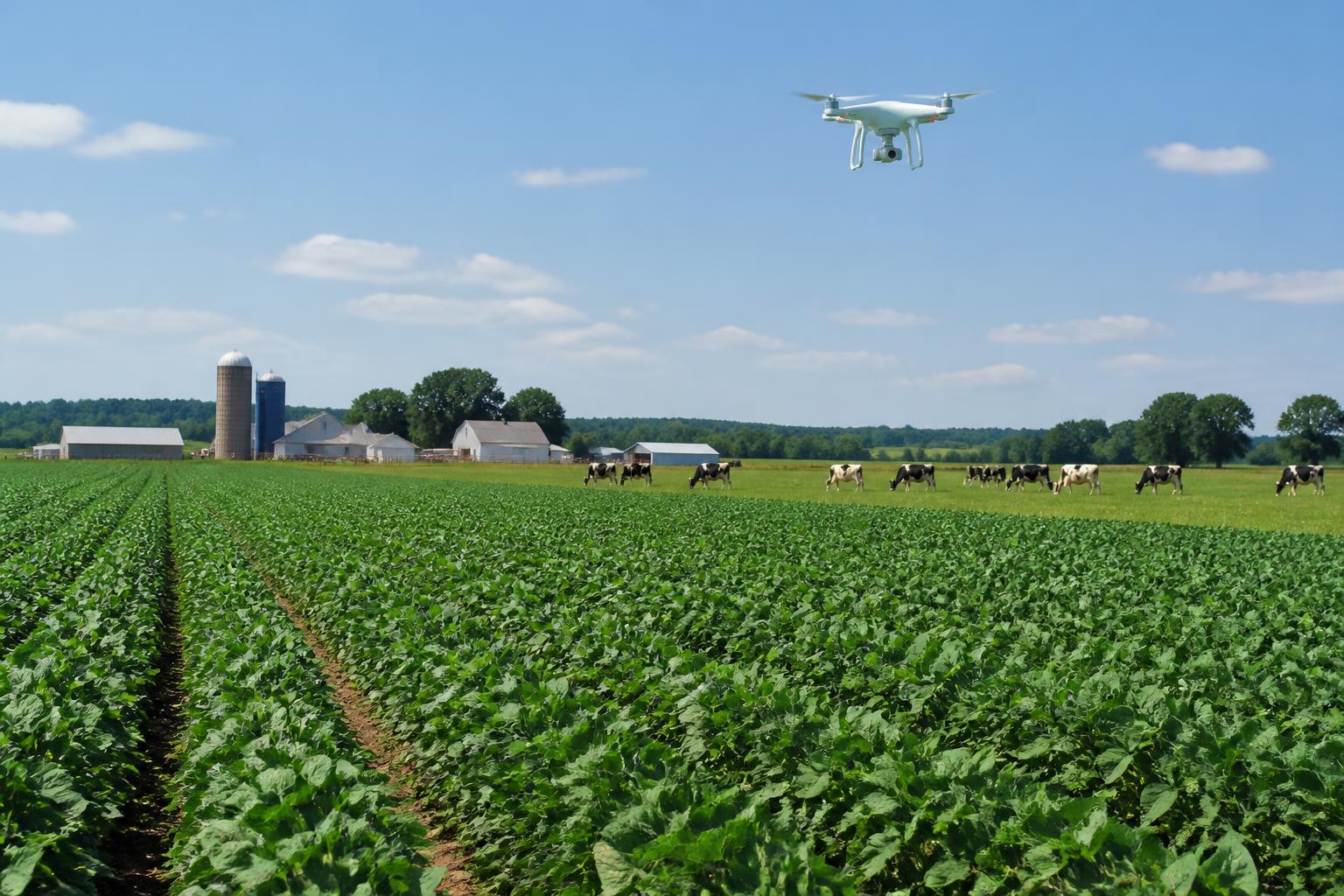
In the heart of the summer growing season, Delaware producers are increasingly turning to advanced technology to improve field efficiency. The integration of specialized drone systems and robotic platforms has become a key focus for local agribusinesses, offering new ways to monitor crop health and streamline labor-intensive tasks. Recent recognition for University of Delaware-led innovations in the farm robotics sector highlights a broader trend of leveraging automated solutions to address modern production hurdles.
Managing Wildlife and Environmental Pressures
While technology aids in efficiency, field-level management remains complex. In regions near the Redden State Forest and other parts of Sussex County, producers are grappling with significant crop damage caused by increased deer populations. This pressure has necessitated localized wildlife management efforts, including expanded public harvest opportunities to protect yield potential. Additionally, for growers in coastal or low-lying areas, managing soil health remains a priority, especially where saltwater intrusion may affect long-term crop viability and input selection.
Integrated Field Management
Beyond technology and wildlife control, the focus remains on essential crop protection and nutrient management. As farmers refine their mid-season strategies, the role of precision data is becoming indispensable. For many, these tools provide the necessary edge to optimize fertilizer application and manage pests, ensuring that the final harvest reflects the hard work invested earlier in the spring. Exploring current strategies for soil management and fertilizer efficiency can help operators maintain margins during periods of market fluctuation.
What it means for the market
The convergence of precision robotics and heightened environmental management suggests a shift toward more intensive, data-driven farming in Delaware. For local producers and grain handlers, staying informed on domestic demand trends and input cost stabilization is vital. As the season progresses, the ability to protect yield through both high-tech and traditional land-management practices will likely remain the primary driver of regional profitability.
Comments
No comments yet - be the first to share your take.