
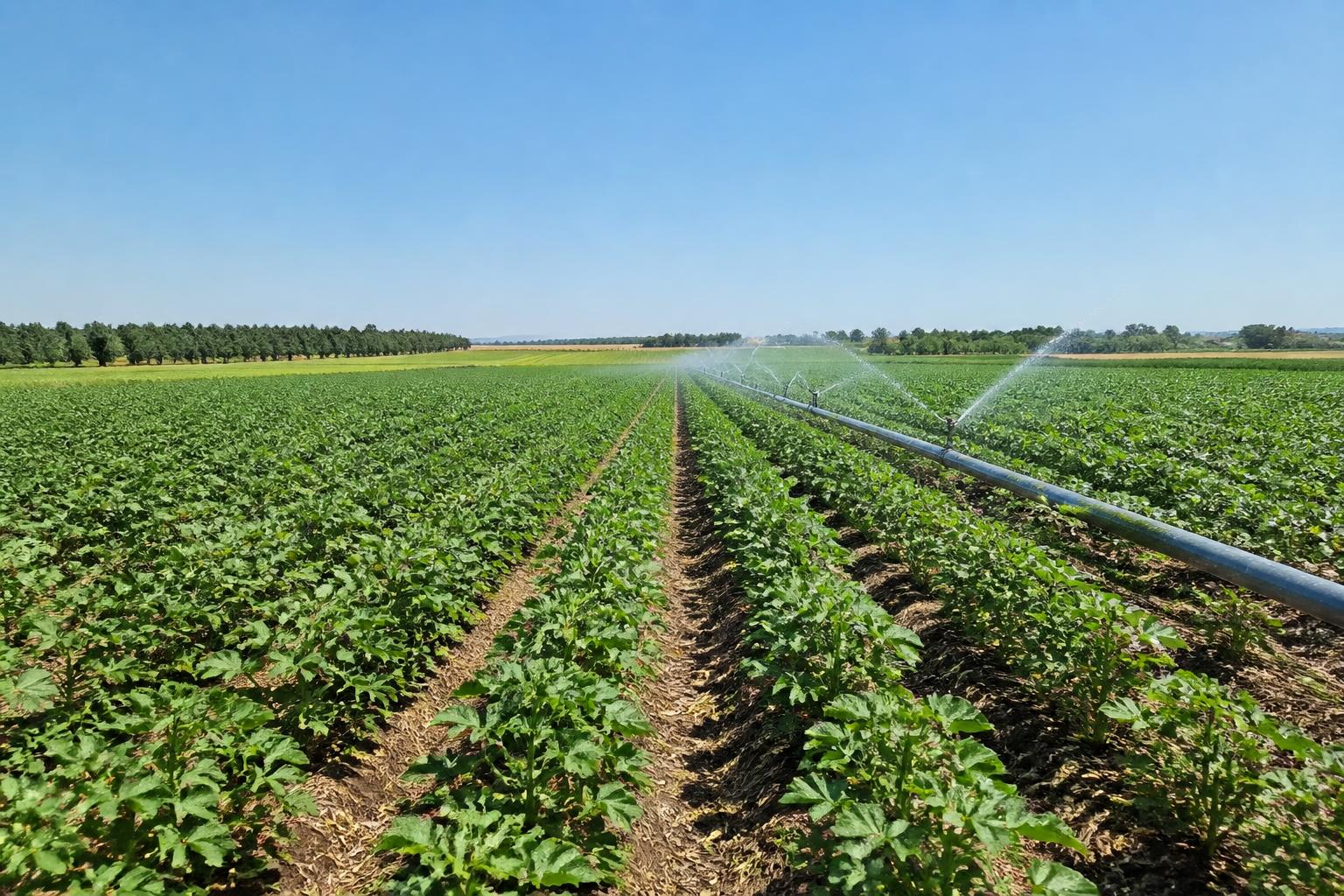
As the peak summer growing season continues across California, agribusinesses and producers are contending with a complex landscape of tightening margins and shifting compliance frameworks. For many operations, the dual pressure of fluctuating input costs and stricter environmental oversight is necessitating a more strategic approach to resource allocation and field management.
Maintaining profitability amid these headwinds often requires a careful assessment of traditional practices. In regions ranging from the Central Valley to the coastal corridors, farmers are increasingly evaluating how to optimize inputs while adhering to the latest compliance protocols that govern the modern fertilizer and crop input market. Staying ahead of these adjustments is no longer just a regulatory necessity but a vital component of protecting the bottom line.
Adapting to Regulatory and Operational Shifts
The regulatory environment in California continues to evolve, impacting everything from pest management strategies to the oversight of neglected farmland. With new rules governing specific pests, such as the Asian citrus psyllid, producers in impacted areas are adjusting their seasonal workflows to ensure full compliance. These changes, while necessary, frequently add to the logistical complexity of the growing cycle, often requiring more frequent monitoring and reporting.
Beyond individual crop requirements, the industry is also witnessing a shift toward more resilient agricultural practices. For some, this includes piloting no-till systems for crops like cotton or exploring innovations that promise to mitigate the impact of water scarcity. These efforts underscore a broader movement within the state to maximize production efficiency while working within a restrictive, high-compliance framework.
The Bottom Line for Resource Management
Looking at the current market, the pressure on margins is forcing a more granular view of variable costs. Whether it is navigating the nuances of summer price volatility for essential inputs or investing in data-driven irrigation techniques to ensure long-term sustainability, the focus remains on predictability in an uncertain environment. Producers who leverage precision tools and stay informed on regulatory updates are typically better positioned to maintain consistent yields when faced with these compounding operational challenges.
What it means for the market
For California's agribusiness sector, the current environment signals a transition toward high-efficiency operations where every input dollar must be justified by rigorous site-specific data. As compliance costs rise and traditional margins compress, those involved in grain handling, input sales, and field production should expect a greater demand for technical support services that help simplify regulatory navigation and optimize per-acre outcomes.
Comments
No comments yet - be the first to share your take.