
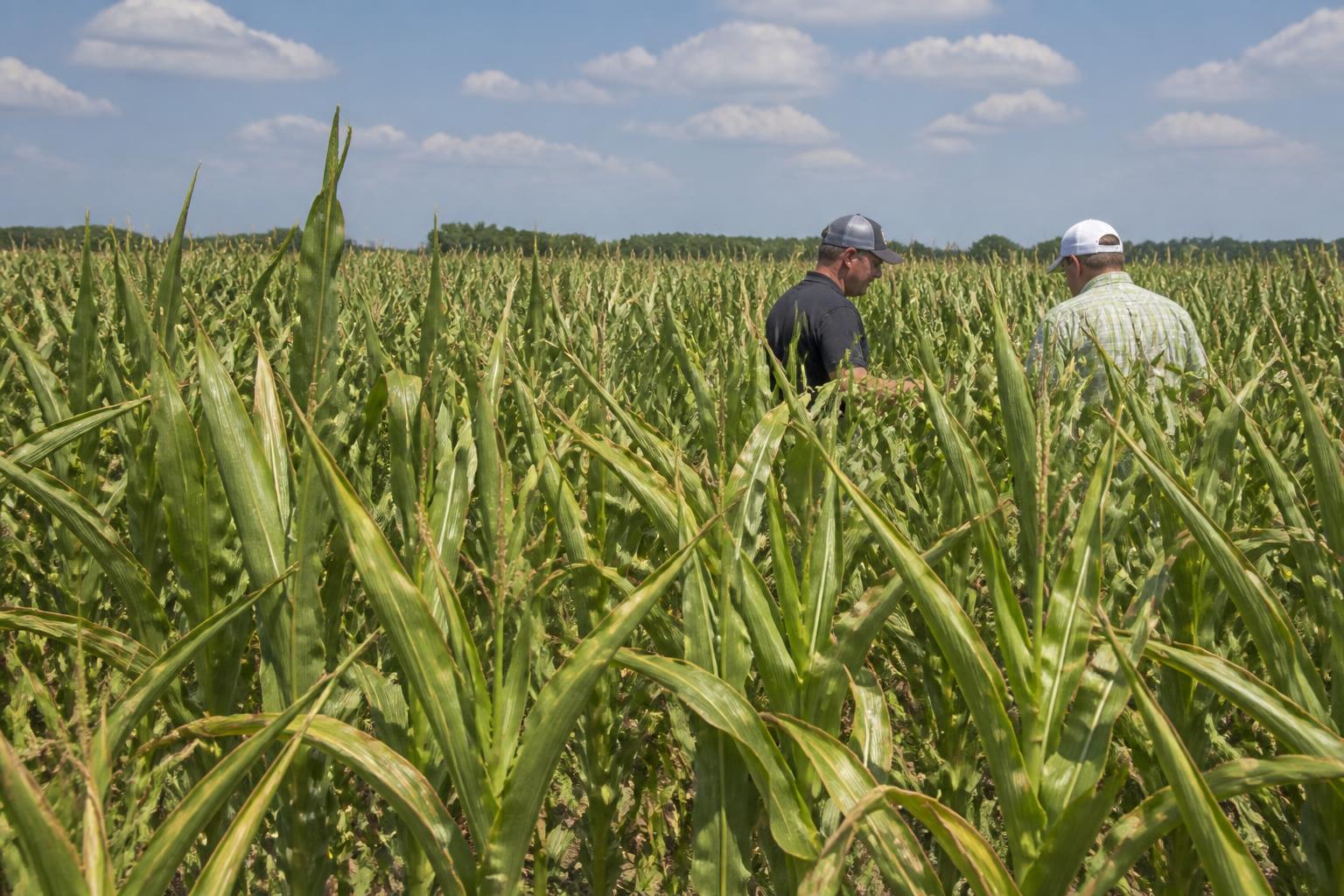
With the current season in full swing, Alaska's agricultural landscape is seeing significant activity across high-latitude regions. Producers are balancing the unique challenges of long daylight hours with the ever-present need for effective crop protection strategies. In areas like the Interior, growers are closely monitoring how shifting weather patterns may influence plant development and the necessity for protective measures during these critical growth weeks.
Effective summer crop protection and soil management are essential as temperatures fluctuate. Many producers are utilizing this time to assess their field conditions, keeping an eye on moisture levels and nutrient availability to keep plants resilient. Proper management during this window helps mitigate risks associated with heat-induced stress or unexpected shifts in local humidity, which can impact overall plant health.
Adapting to Environmental Pressures
Integrated pest management remains a priority for many farm operations. As the season progresses, vigilance against common regional threats can save significant resources. Whether managing specific soil health requirements or addressing regional pest populations, the emphasis remains on proactive, data-driven decisions. Integrating sustainable soil health practices under the midnight sun can provide a buffer against the environmental pressures that often peak in mid-July.
Logistics and Resource Planning
Beyond the field, supply chain reliability continues to play a role in how Alaskan agribusinesses operate. Ensuring that necessary inputs are on hand for the remainder of the short, intense growing season is key to preventing mid-summer delays. Carriers and input suppliers throughout the state are reporting steady, albeit selective, demand for protective agents as producers finalize their mid-summer treatment schedules.
What it means for the market
For growers and agribusinesses in Alaska, this period is a test of preparation and adaptability. Successful navigation of these mid-summer weeks often hinges on maintaining a strict monitoring schedule for crop stressors and ensuring that local supply lines remain functional. As global demand for specialty crop protection technologies continues to evolve, staying informed on best practices remains the best insurance for a productive harvest.
Comments
No comments yet - be the first to share your take.