
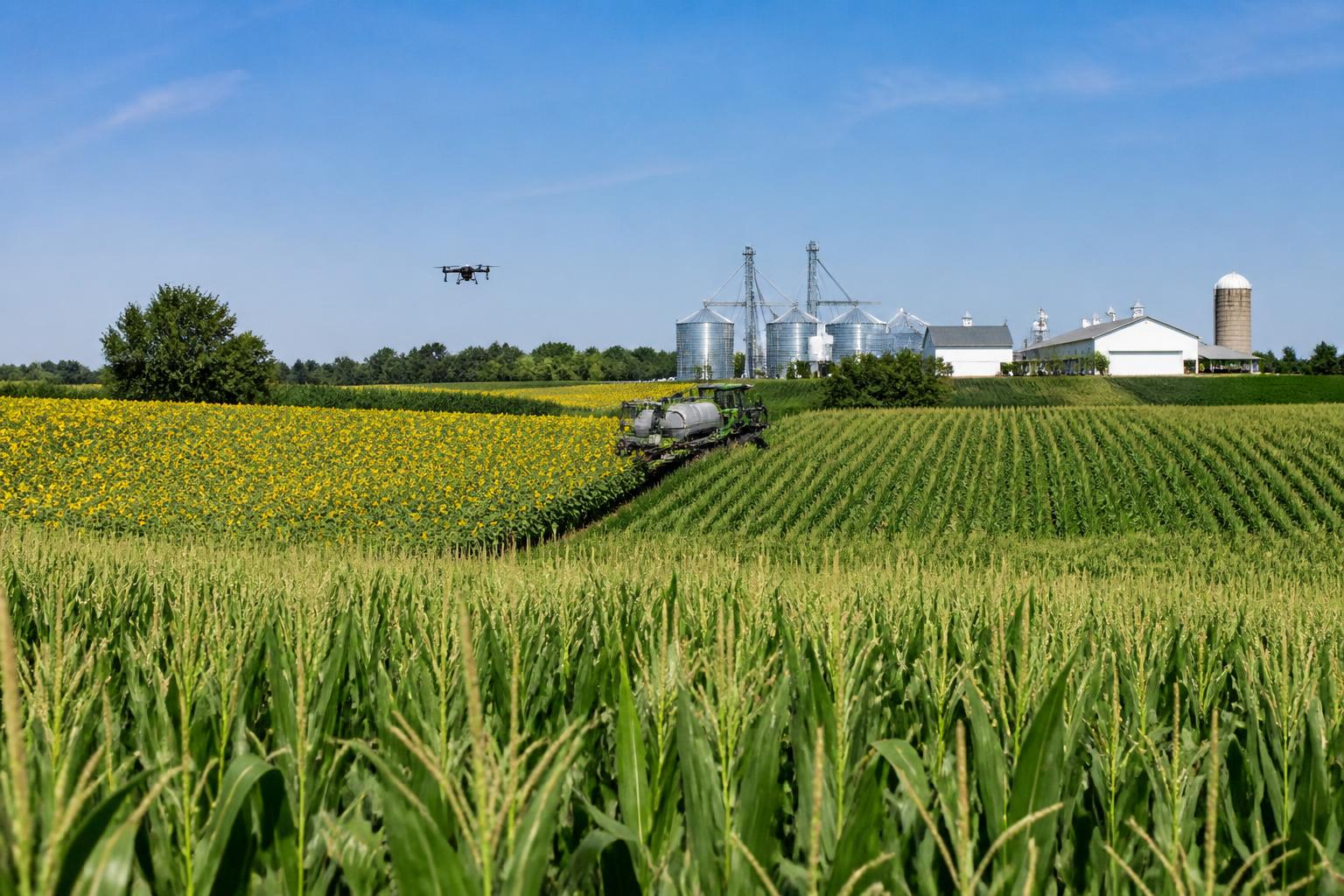
Mid-summer in Michigan brings a complex mix of logistical hurdles for growers and grain handlers. As field activities shift toward intensive crop management, the pressure on regional supply chains remains a primary concern for operations moving product across the state. Whether navigating the corridor between rural elevators and major processing hubs or managing inbound input supplies, efficiency remains the core focus for local agribusinesses.
Rising input costs continue to weigh heavily on sector planning, prompting many to re-evaluate their seasonal strategies. In regions like the southern tier and along major transit routes, finding reliable freight capacity during the busy growing months can be difficult. Staying ahead of these bottlenecks is essential, as logistical shifts in Michigan agriculture often dictate the bottom line for producers and input suppliers alike.
Infrastructure and Market Stability
Investment in local infrastructure, including recent facility expansions in areas such as Branch County, highlights a regional commitment to bolstering storage and processing capabilities. These developments are designed to support higher throughput, which is vital during periods of market uncertainty. For many, integrating these new, more efficient storage solutions helps mitigate the impact of fluctuating transportation costs.
Furthermore, growers are increasingly looking at long-term storage decisions as a means to decouple their sales from the immediate volatility often seen during the peak of the shipping season. This approach, paired with smarter transport coordination, provides a buffer against the external pressures affecting the broader U.S. agricultural economy.
Addressing Crop Health and Operational Risks
Beyond logistics, maintaining high yields remains the central pillar for Michigan farms. Research initiatives, particularly those focusing on crop health and disease resistance, are helping producers adopt more proactive management strategies. Implementing these techniques, such as refined weed management during crop rotation, can be just as impactful on overall profitability as logistics optimization. Protecting the harvest starts long before the combine hits the field, and modern analytical tools are increasingly becoming the standard for evaluating field-level risk.
As operations continue to scale, many are also exploring how to incorporate new food hub developments and port opportunities to diversify their reach and streamline regional distribution.
What it means for the market
The current environment suggests that Michigan agribusinesses will need to maintain a flexible approach to logistics throughout the remainder of the summer. While input and machinery pricing remain sensitive to broader geopolitical and trade influences, the focus on local storage and infrastructure expansion provides a degree of insulation. Producers and grain handlers who prioritize supply chain agility and strategic storage are likely to find themselves better positioned to manage the typical mid-summer logistical crunch.
Comments
No comments yet - be the first to share your take.