
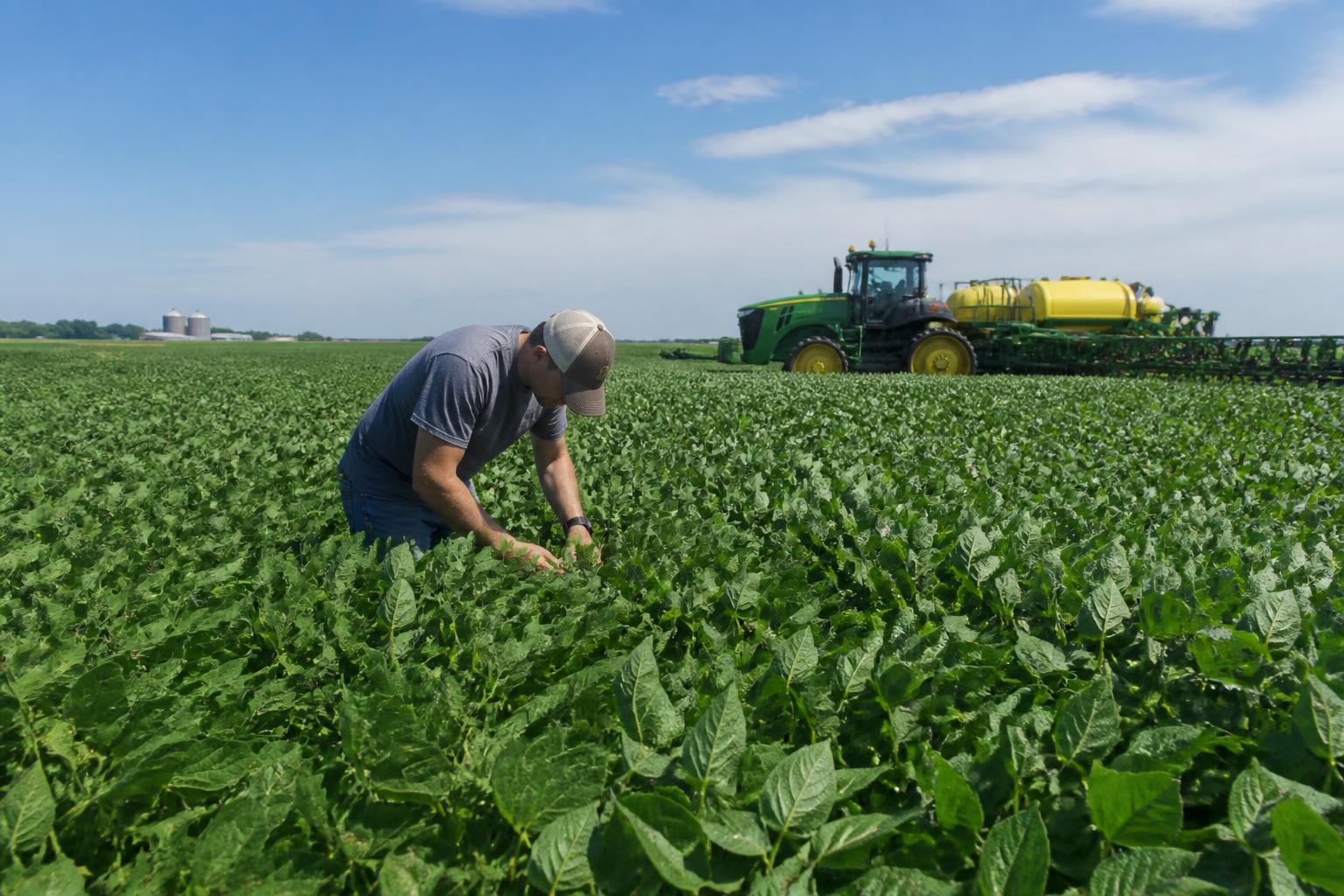
Mid-summer is a critical period for Illinois producers as fields across the state enter pivotal growth stages. With margins facing persistent pressure, farmers are increasingly focused on optimizing their crop protection strategies to preserve yield potential without overextending seasonal budgets. The current environment demands a disciplined approach to input allocation, particularly as logistics and supply chain variables continue to influence local availability.
Addressing Emerging Pest and Agronomic Pressures
Management of corn rootworm has become increasingly complex, necessitating more precise scouting and application methods. As fields canopy and the heat of summer sets in, agronomists are reminding growers that early-season decisions often dictate the effectiveness of late-season interventions. Maintaining a consistent eye on plant health is essential, especially as regional weather patterns fluctuate and impact the efficacy of standard chemical programs.
The Intersection of Economics and Field Management
For many across the Illinois landscape, the focus has shifted toward balancing long-term sustainability with immediate financial constraints. Discussions regarding regulatory developments and input costs are more relevant than ever. Whether it is navigating the nuances of herbicide application or integrating precision technology, the goal remains the same: maximizing return on every acre planted while managing the inherent volatility of the current agricultural economy.
What it means for the market
The persistence of high production costs and uncertain price trends means that every input decision carries significant weight. Producers should prioritize localized data and scouting reports to ensure that crop protection investments are targeted effectively, avoiding unnecessary expenditure while ensuring that crop health remains protected through the final stages of the summer growth cycle. As we monitor these trends, staying informed about logistics and supply chain shifts will be key to managing farm-gate profitability through the end of the year.
Comments
No comments yet - be the first to share your take.