
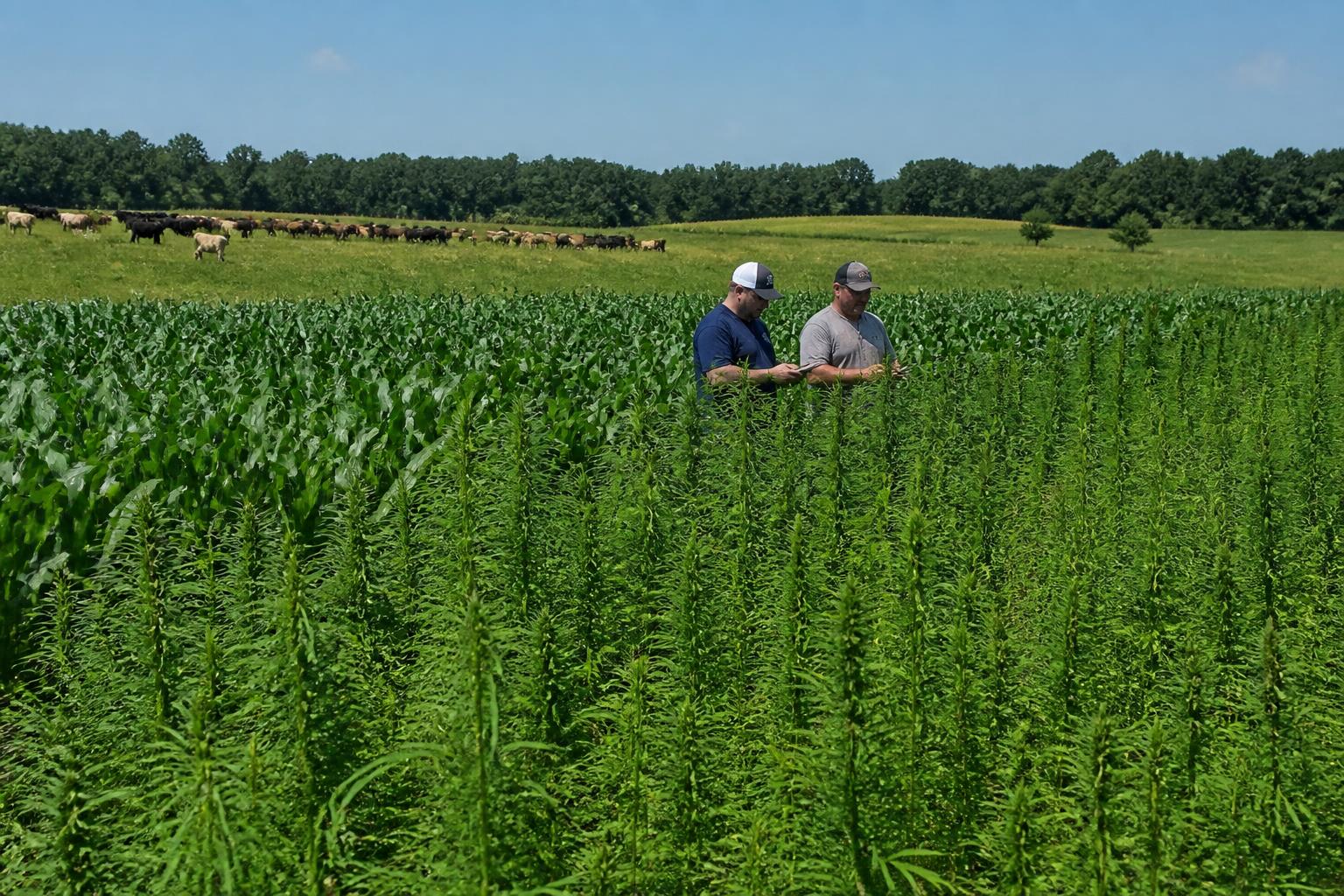
Mid-summer in Missouri brings a unique set of challenges that require diligent field scouting and strategic decision-making. As the growing season progresses, the state's diverse agricultural landscape faces mounting pressures from both environmental threats and evolving regulatory frameworks. For producers and agronomists, balancing crop health with the latest industry shifts remains a critical priority during these demanding months.
Navigating Pest Pressure and Crop Health
Pasture management has become a focal point of concern this season as livestock producers track various pests that can impact animal health and overall productivity. Staying ahead of these challenges often requires consistent monitoring and reliance on state-provided technical resources. Beyond livestock, the broader row crop sector is also watching for early warning signs of invasive threats, such as the spotted lanternfly, which poses a potential risk to the state's vineyards and specialty crops. Regular diagnostic work and producer-focused outreach continue to serve as essential tools for mitigation.
Input Regulations and Industry Oversight
The regulatory environment surrounding chemical inputs remains a topic of significant discussion across the state. Legislative efforts to provide protections for widely used products have drawn both attention and scrutiny from the agricultural community. As these discussions move through the legal system, producers are encouraged to stay informed on how potential changes might influence their access to standard crop protection products and their integrated pest management strategies. Clarity in these matters is essential for long-term planning and input procurement.
What it means for the market
For grain handlers, input buyers, and service providers, the current climate reinforces the need for agility. As Missouri navigates these combined pressures—from invasive pests to shifts in the liability landscape—the emphasis remains on maintaining operational efficiency. Producers should focus on leveraging current educational resources and staying engaged with local industry updates to better anticipate potential disruptions to their supply chains and farm-level profitability.
Comments
No comments yet - be the first to share your take.