
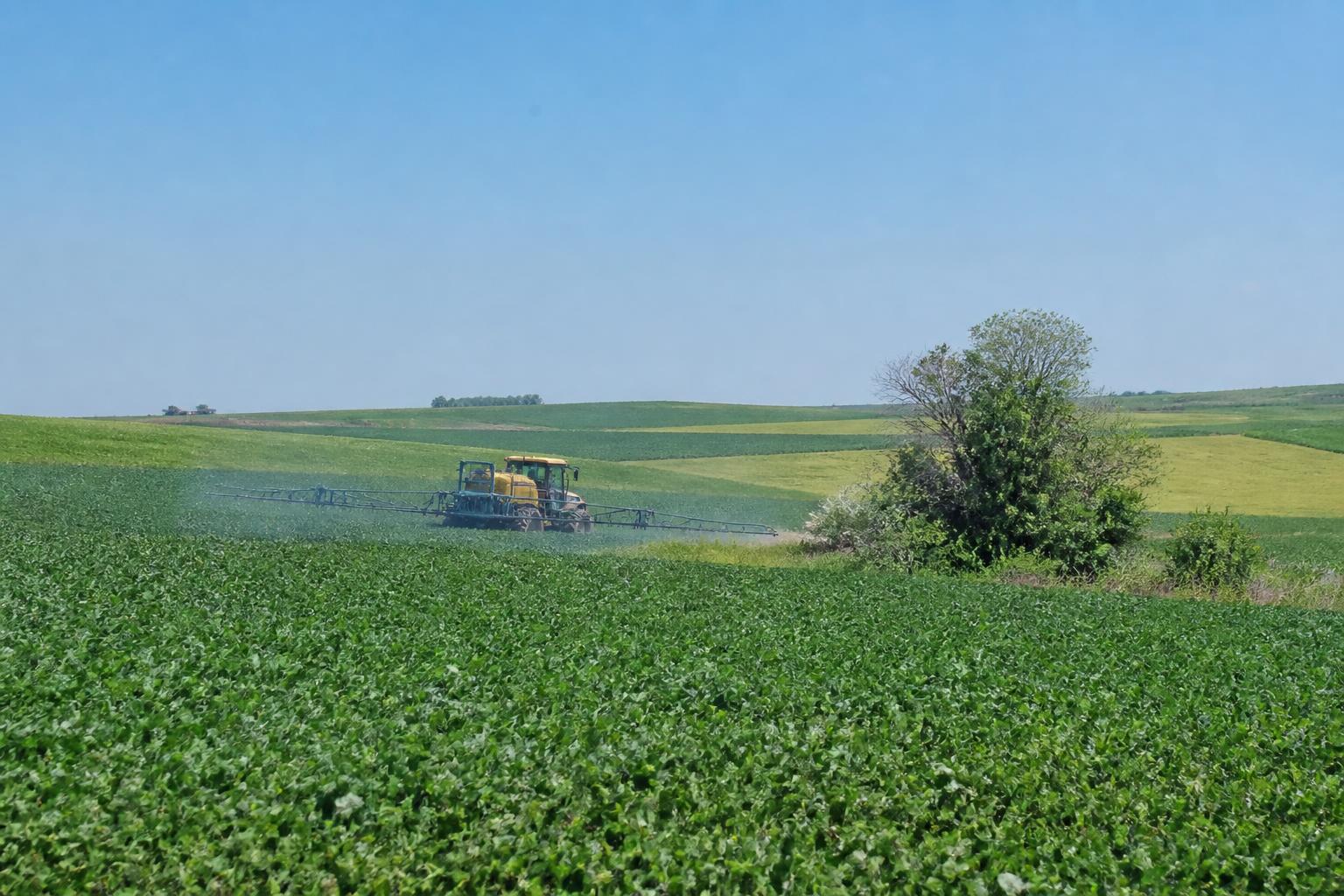
Mid-summer is a critical period for Nebraska producers as field management shifts toward aggressive weed control and pest monitoring. With the spread of resistant weeds, such as glyphosate-resistant Palmer amaranth, growers are increasingly turning to a more diversified suite of tools to maintain field integrity. This shift often involves newer, specialized chemistries that demand precision in application to avoid off-target movement.
Protecting sensitive vegetation, including wild native shrubs and windbreaks, has become a high-priority management concern. The risks of herbicide drift extend beyond neighboring crops, potentially impacting the biodiversity of local ecosystems and tree health throughout the state. Implementing new strategies for resistant weed control is vital, but these must be balanced with strict drift mitigation protocols during high-temperature, high-wind summer days.
Technology Adoption and Efficiency
Advancements in selective spray technology are offering Nebraska agribusinesses a path toward improved input efficiency. By targeting only the weeds rather than blanket-spraying entire fields, producers can manage costs while reducing the volume of chemicals introduced into the local environment. This precision approach is particularly relevant as the industry navigates a period of fluctuating farm income and tightening margins.
As farmers evaluate their approach to input efficiency, the focus remains on long-term field sustainability. Whether managing Bt corn resistance or addressing localized pest pressures, the integration of new technologies requires constant recalibration based on regional data. Those leveraging these tools are finding that small adjustments in application timing can significantly impact the bottom line.
What it means for the market
For grain handlers and input suppliers, these shifts in management represent a move toward more consultative, data-driven relationships with growers. As producers grapple with external market pressures and the ongoing challenge of pest management, the demand for high-efficiency, low-drift solutions will likely continue to reshape local procurement cycles and input inventories across Nebraska agricultural hubs.
Comments
No comments yet - be the first to share your take.