
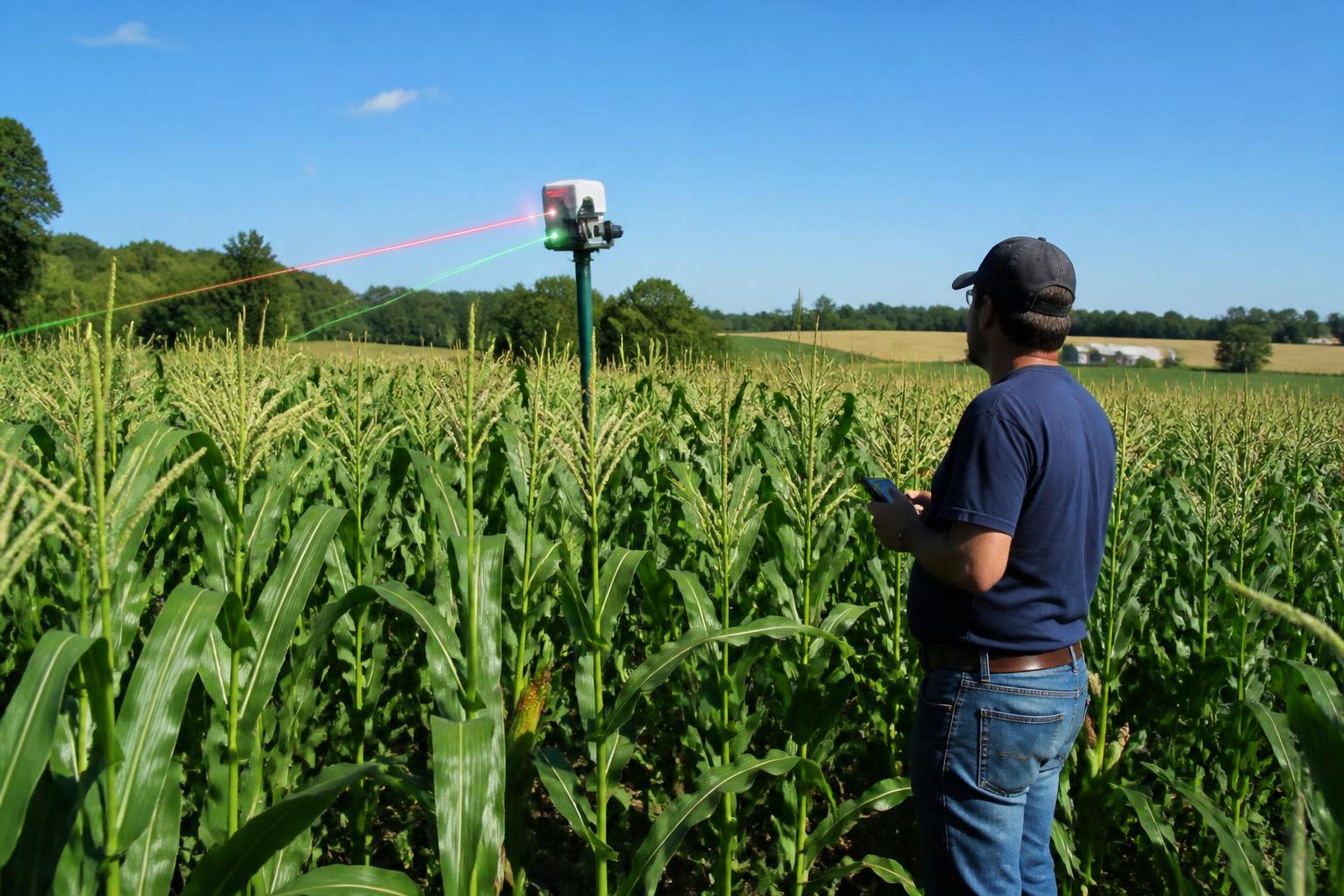
In the height of the summer growing season, Rhode Island farmers are actively managing field health as rising temperatures accelerate crop development and pest activity. From the coastal fields of Washington County to the inland reaches of the state, maintaining high-quality output requires constant vigilance against emerging threats that can compromise seasonal harvests.
Advanced pest management strategies, such as the deployment of automated systems like laser scarecrows, are becoming more relevant for growers looking to protect vulnerable crops like sweetcorn. By integrating these non-lethal deterrents, producers may successfully mitigate bird damage without the need for constant human oversight, allowing labor to be redirected toward other critical mid-summer tasks.
Adapting to Seasonal Pressures
The challenge of safeguarding crops often goes beyond traditional pest control. As part of a broader shift toward resilient agricultural models, many regional operations are exploring sustainable practices that minimize chemical reliance. This aligns with broader interest in effective crop protection tactics during high-stress months, ensuring that supply chains remain stable despite climate-driven volatility.
Furthermore, growers are increasingly aware of the impact that resource management has on long-term viability. As producers navigate the logistics of the summer grain and feed market, adopting precision tools and natural product alternatives can provide a competitive edge in maintaining both soil health and bottom-line stability.
What it means for the market
For Rhode Island agribusinesses and grain handlers, the focus remains on reliability and efficiency. As the season progresses, investing in automated protection technology and sustainable field inputs can reduce operational risk. Producers who effectively balance these modern mitigation strategies with traditional field management are better positioned to meet demand and navigate the complexities of the current New England agricultural landscape.
Comments
No comments yet - be the first to share your take.