
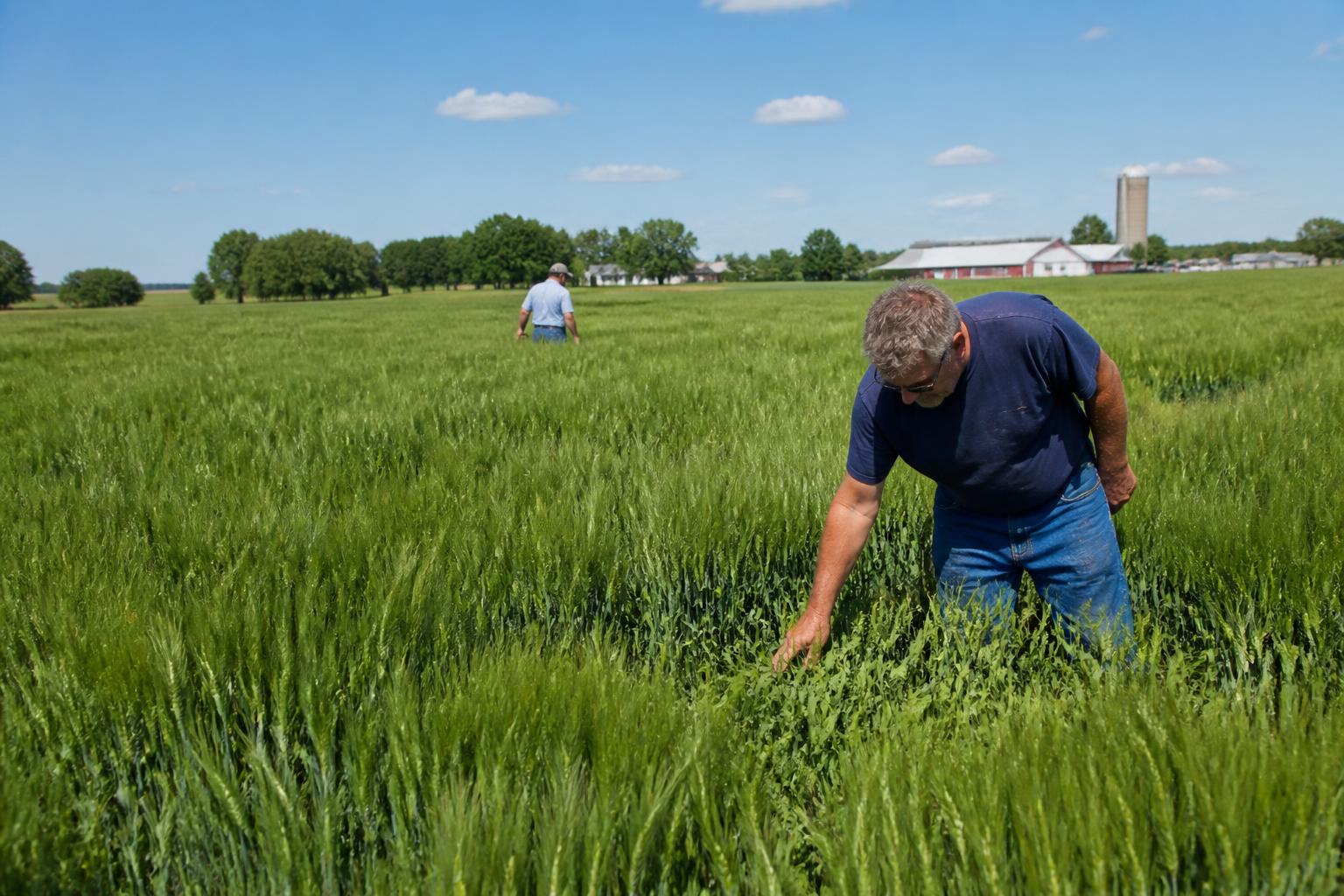
Active Monitoring for Field Health
As summer temperatures peak, Delaware agricultural operations are maintaining high levels of vigilance regarding crop health. With the growing season in full swing, local producers are focusing on the intersection of invasive pest management and necessary field strategy adjustments. State agencies continue their routine surveillance efforts to track regional threats, including the monitoring of timber and crop-damaging insects that can impact the broader rural economy.
Biosecurity and Operational Continuity
Beyond field-level pest control, livestock producers in Delaware are staying attentive to regional biosecurity. Recent reports of highly pathogenic avian influenza (HPAI) in local poultry flocks serve as a reminder of the critical importance of maintaining strict containment protocols. These logistics and infrastructure pressures require operators to remain agile, ensuring that sanitization and site security measures do not impede daily production cycles.
Input Efficiency in a Changing Market
Market conditions remain a central theme for Delaware agribusinesses. As global fertilizer markets fluctuate, farmers are increasingly looking toward refined nutrient management to stabilize soil health and input costs. Whether optimizing application rates or exploring new financial tools for young farmers, the focus is on maintaining long-term sustainability while navigating immediate seasonal risks.
Key Takeaways for Producers
- Prioritize consistent scouting protocols to identify early-stage pest infestations before they spread.
- Reinforce site-level biosecurity to mitigate the impact of disease outbreaks on livestock.
- Review current soil data to ensure nutrient applications match actual crop requirements during this peak growth phase.
What it means for the market
The convergence of active pest surveillance, stringent biosecurity needs, and careful input management highlights the complexity of modern Delaware farming. By proactively managing these biological and economic variables, producers can better defend their margins against external shocks and ensure operational stability through the remainder of the summer season.
Comments
No comments yet - be the first to share your take.