
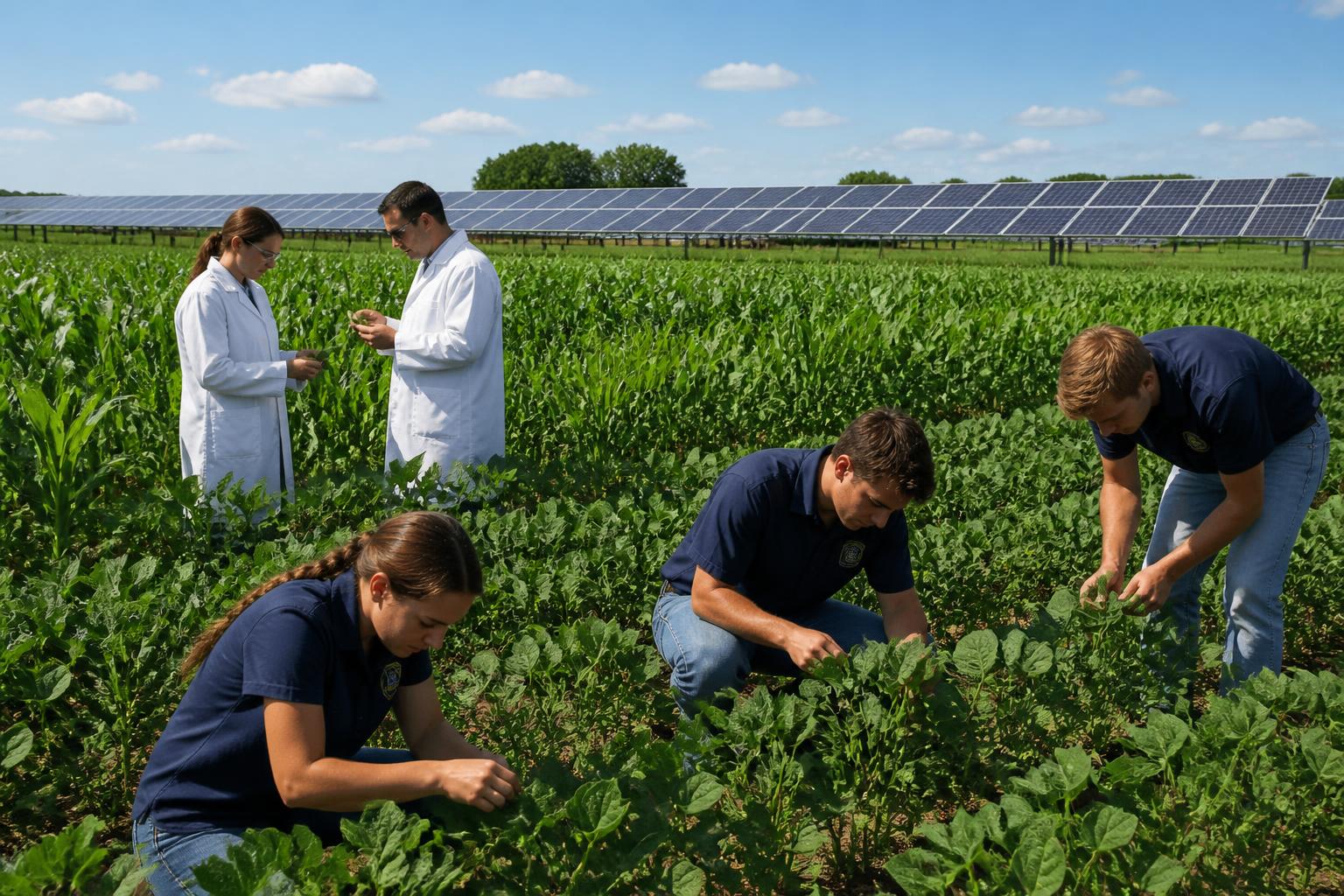
Mid-summer in Michigan brings a critical window for crop management as fields push through key growth stages. With recent reports of tar spot detected in 12 counties across the state, growers and agronomists are stepping up scouting efforts to protect yield potential. Monitoring for these and other pathogens often requires a disciplined approach, integrating both early field detection and the latest chemical control strategies.
Expanding the Protection Toolkit
The industry continues to introduce new solutions to combat persistent threats like white mold and various fungal infections. As Michigan crop protection strategies evolve, producers have more options to safeguard their investment during high-pressure cycles. Leveraging tools that integrate advanced connectivity, such as those announced by major equipment and service providers, can help farmers manage application timing with greater precision during these busy summer weeks.
Navigating Market and Production Pressures
Beyond immediate crop health, growers are balancing broader economic factors. As many operations evaluate their summer storage decisions and long-term acreage planning, the importance of efficiency in the field has never been higher. Participation in yield challenges and management programs allows producers to benchmark their results while staying current on emerging best practices from regional research institutions like Michigan State University.
Infrastructure and Future Outlook
Logistical fluidity remains a constant priority. Whether moving inputs or preparing for the upcoming harvest, awareness of local road constraints and infrastructure developments is essential for operational success. As farmers consider the intersection of specialty crop protection and grain commodity management, staying engaged with local industry groups and technical advisors is a practical way to navigate the remainder of the season.
What it means for the market: The current focus on aggressive disease management signals a tightening supply outlook if outbreaks are not contained. Growers who prioritize timely scouting and utilize precision application technology are better positioned to mitigate losses, potentially stabilizing their personal bottom line against broader volatility in the agricultural market.
Comments
No comments yet - be the first to share your take.