
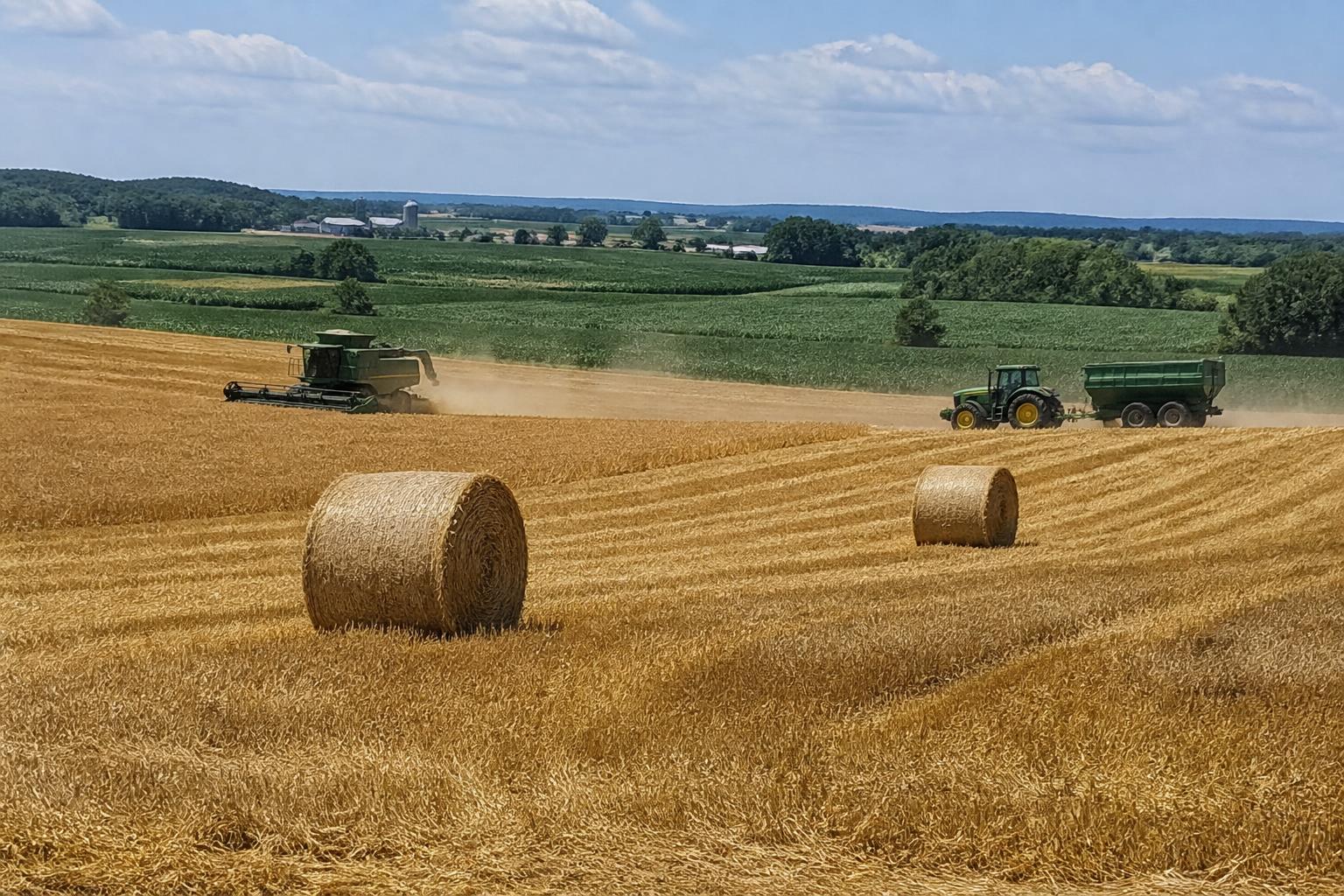
For Montana producers and agribusinesses, the current mid-summer period is defined by a focus on steady operational management amid broader economic pressures. As the state moves further into the season, stakeholders are navigating a complex landscape where regional logistical efficiency is tested by national market trends.
Recent industry discussions, including insights from regional economic conferences, have highlighted that agricultural sectors across the U.S. continue to face significant headwinds. For Montana, this often translates into a dual challenge: managing the immediate requirements of summer crop maintenance while preparing for the logistical complexities of the upcoming harvest season.
Infrastructure and Regional Efficiency
The ability to move grain effectively remains a critical factor for Montana growers. Efficient logistics and market-focused planning are essential as elevators and carriers coordinate to handle seasonal output. In many parts of the state, maintaining high-functioning transport corridors is vital to mitigating the impact of narrower margins.
Producers are often evaluating their storage and transport strategies early. Ensuring that grain can flow smoothly from field to rail or road hub can make a difference in local basis levels. As observed in past summer logistics cycles, the integration of local road networks with major rail lines is a cornerstone of a competitive, resilient supply chain.
Strategic Planning in a Changing Market
Beyond logistics, producers are keeping a close eye on input costs and global market signals that influence local price discovery. While international export issues and supply chain shifts in other regions often capture headlines, the local reality in Montana remains focused on cost-effective, timely operations. Enhancing infrastructure capabilities is frequently cited by agribusiness leaders as a necessary step to support regional productivity and long-term stability.
What it means for the market
For Montana farmers, grain handlers, and input providers, the current market climate necessitates a disciplined approach. With ongoing economic pressures, prioritizing infrastructure reliability and logistics coordination will likely remain the most effective strategy to protect margins as the season progresses. Maintaining flexibility in grain movement and focusing on localized supply chain improvements will be key for navigating the remainder of the summer months.
Comments
No comments yet - be the first to share your take.