
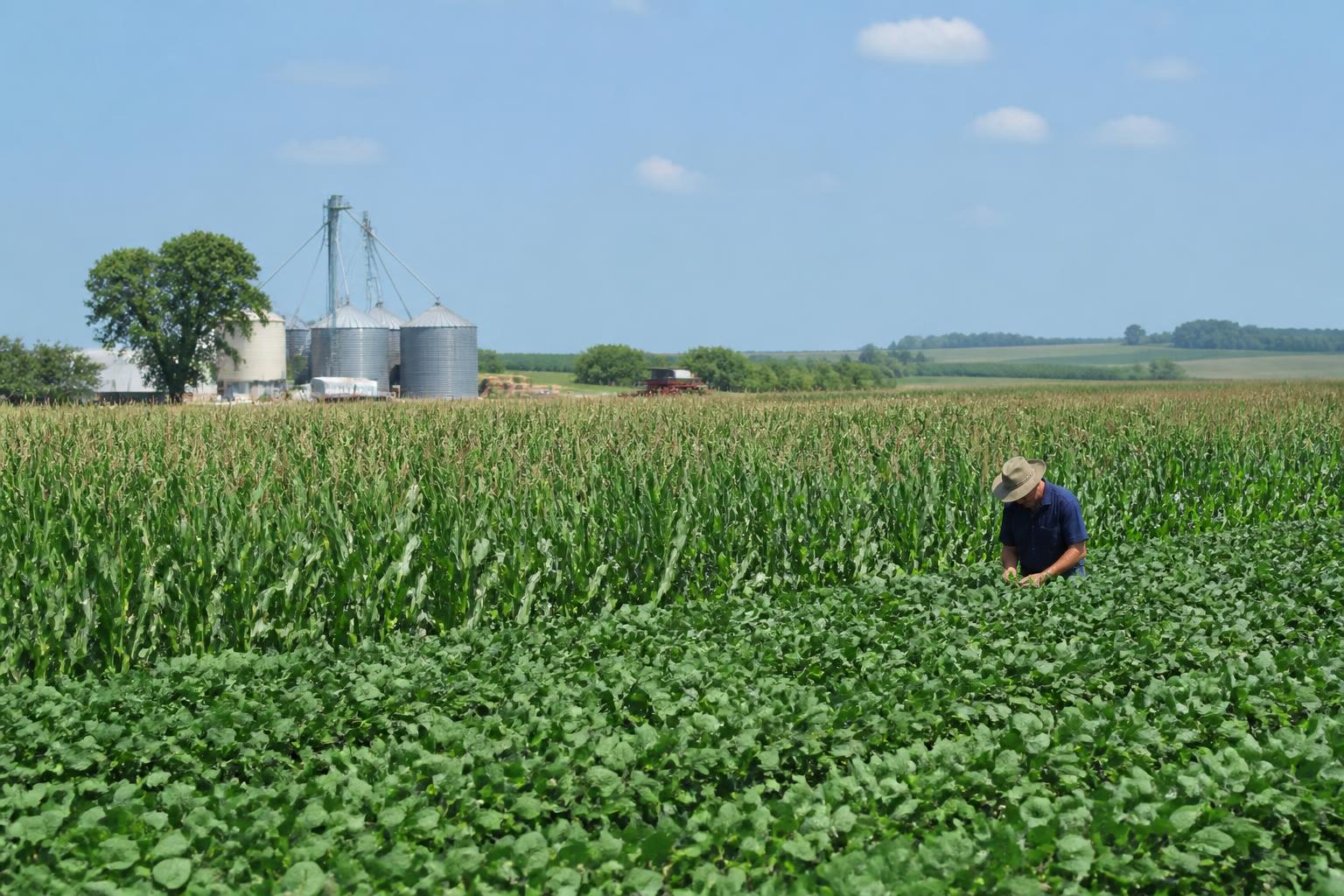
Mid-summer in Iowa brings a focus on field surveillance as crops enter critical development stages. For many growers across the state, the arrival of the soybean gall midge has prompted a renewed commitment to scouting programs. While the pest remains a localized concern in some areas, agronomists typically advise farmers to inspect field edges bordering previous-year soybean crops, where the midge is often first identified. Managing this pressure requires a diligent approach to monitoring, as timely identification remains the most effective tool in a producer's current arsenal.
Beyond immediate pest threats, the broader agricultural landscape continues to adapt to evolving market signals. As discussed in our look at Iowa crop protection and summer input logistics, efficient management of resources is essential when facing unpredictable conditions. The integration of precision technology and updated scouting protocols is helping many Iowa agribusinesses maintain yields even as input costs remain a primary consideration for many farm operations.
Value-Added Markets and Industrial Integration
Outside of the field, there is a noted shift in how commodities are utilized. Soybean and corn producers are increasingly seeing their harvests find roles in diverse industrial sectors. From bio-based materials to specialized fulfillment applications, the demand for these raw ingredients is expanding beyond traditional feed and fuel markets. For Iowa grain handlers, this diversification may provide a necessary hedge against traditional market volatility, offering new outlets for high-quality grain stocks.
What it means for the market
For Iowa producers and retailers, the remainder of the summer season will likely prioritize defensive management. With the potential for pest pressure to influence yield quality, the focus remains on scouting efficiency and targeted, responsible application strategies. As the market continues to respond to international trade inquiries and local industrial demand, keeping a close eye on regional field conditions and maintaining clear communication with input suppliers will be the hallmark of a resilient season.
Comments
No comments yet - be the first to share your take.