
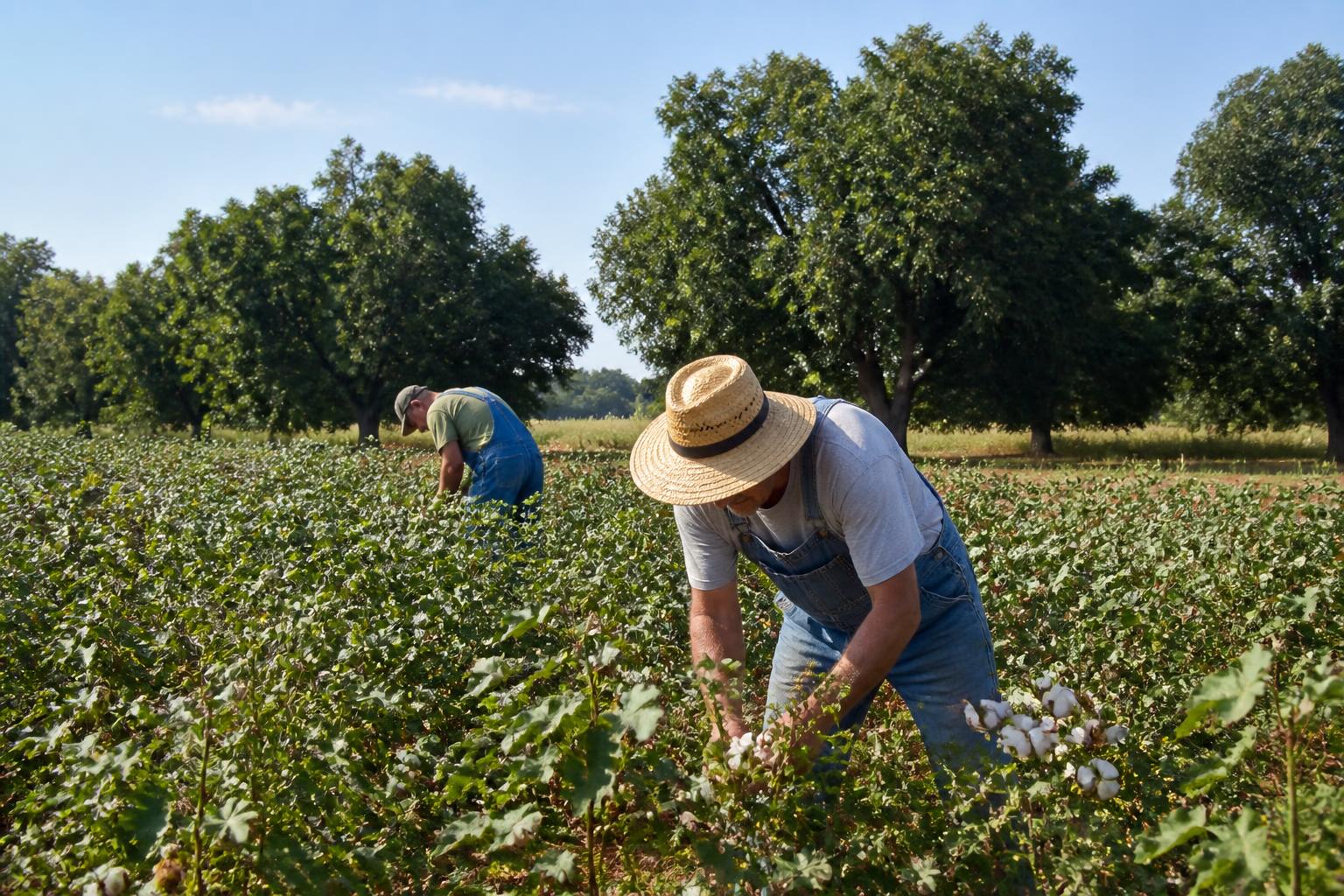
Oklahoma's agricultural landscape is currently moving through a critical mid-summer phase, where managing input costs and maintaining supply chain reliability are at the forefront of farm management. For producers and agribusinesses, the focus on effective crop protection strategies has become increasingly significant, especially as the sector continues to adapt to shifts in federal regulatory guidelines and labeling requirements.
Maintaining a competitive edge in Oklahoma often requires balancing long-term input security with real-time logistics. With the ongoing pressures in grain markets, local elevators and storage facilities are prioritizing the movement of commodities through key corridors like those serviced by the Port of Catoosa. Whether handling specialized crops or managing feed supplies, efficient throughput is essential to mitigating the impact of global supply chain volatility.
Managing Risk in a Changing Regulatory Climate
Recent developments regarding pesticide labeling and federal oversight have provided more clarity for producers looking to secure their yield potential. Adhering to these federal standards allows for more predictable procurement of inputs, helping farmers avoid the uncertainties that can arise from localized regulatory fragmentation. Staying updated on these legal frameworks is essential for any integrated farm protection plan, particularly as growers refine their approach to mid-season pest and weed management.
Optimizing Logistics and Input Access
The movement of essential agricultural goods remains a pillar of the Oklahoma economy. Even as global events impact the price and availability of fertilizers and other necessary inputs, local agility is key. Successful operations are those that leverage existing partnerships and regional infrastructure to bridge gaps in supply, ensuring that fields receive the attention they require during the peak summer growth months.
What it means for the market
For the Oklahoma producer, the market outlook suggests a move toward smarter, more data-driven resource management. By staying proactive with crop protection protocols and utilizing established logistics hubs, you can better navigate the current price volatility and ensure your operation remains prepared for the harvest season ahead. Monitoring policy updates and maintaining open channels with local input suppliers will continue to be your best line of defense against shifting market conditions.
Comments
No comments yet - be the first to share your take.