
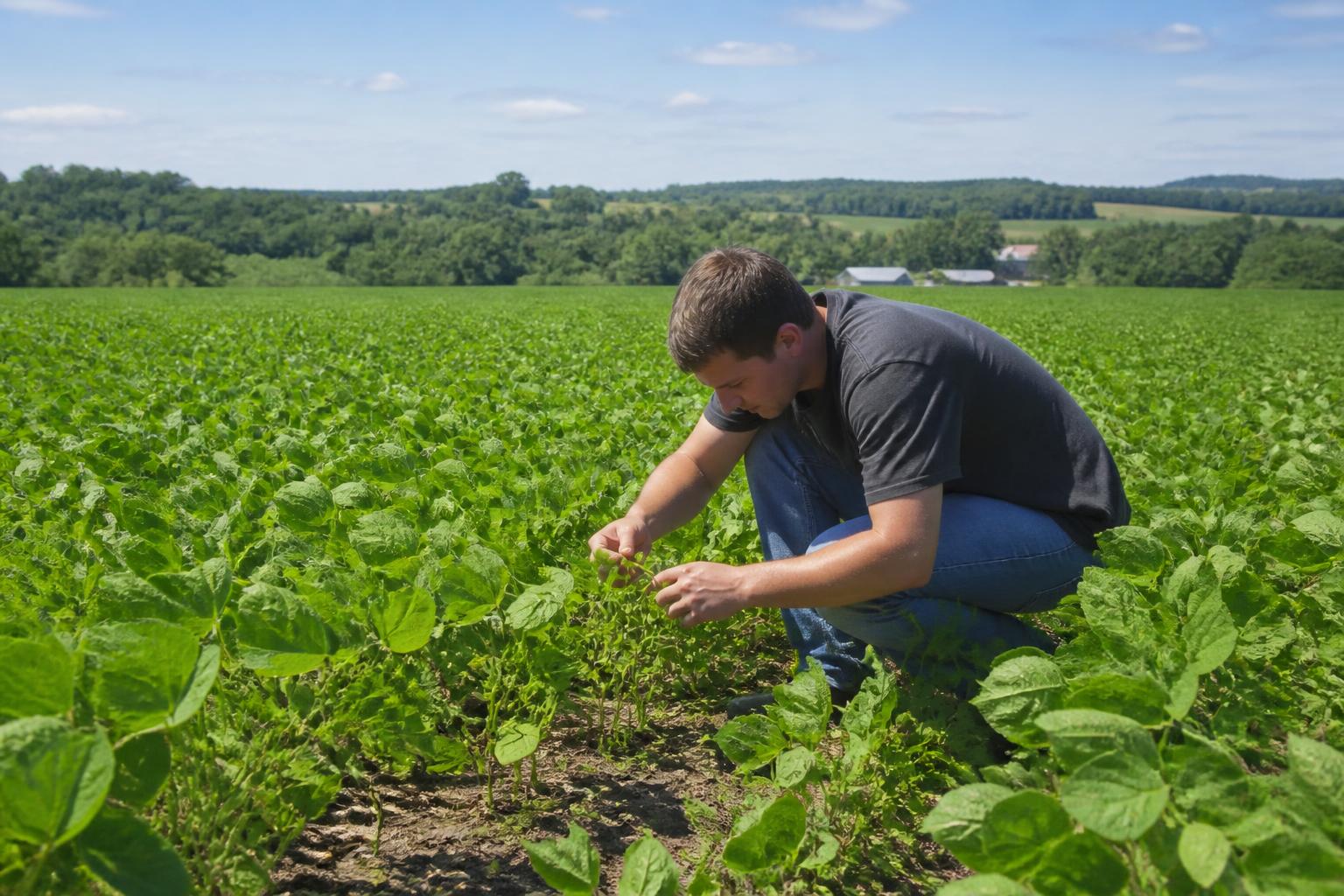
As the Michigan growing season hits its mid-summer stride, producers are increasingly focused on the delicate balance of crop protection. Maintaining field health is currently a primary challenge, particularly as growers navigate ongoing disease pressure and shifting environmental conditions that can complicate standard maintenance schedules.
For those managing soybean and corn acres, recent observations highlight the persistent importance of established trait systems. While growers evaluate their options, industry leaders emphasize that specific herbicide technologies remain a cornerstone for effective weed management. However, these tools are just one part of the puzzle. Integrating robust fertility management with precise scouting is essential for protecting yield potential in the face of high-yielding corn and wheat varieties that require more intensive monitoring.
Emerging Resistance Concerns
Beyond traditional weed control, entomological concerns are taking center stage in many regions across the state. Recent field reports indicate that producers should be on high alert for pest resistance, particularly in specialty and forage crops. For example, questions regarding pyrethroid-resistant alfalfa weevils highlight the need for vigilant, ground-level monitoring. Relying on past protection strategies without seasonal adjustments may leave fields vulnerable to unexpected damage during critical growth stages.
Strategic Planning for Long-Term Soil Health
Effective crop protection now extends well beyond the sprayer tank. Many Michigan agribusinesses and farmers are pivoting toward a more holistic approach that connects soil health directly to pest resiliency. By prioritizing nutrient management and soil structure, growers may find that crops are better equipped to withstand environmental stresses. This strategic focus is particularly timely as producers weigh their input investments and prepare for upcoming harvest cycles, ensuring that field-level decisions align with both long-term storage goals and broader market opportunities.
What it means for the market: Producers should anticipate tighter margins if pest pressure forces additional, unplanned applications. As summer heat continues, the focus remains on protecting existing yield potential; keep close contact with local agronomists to stay ahead of localized resistance patterns rather than relying on regional averages.
Comments
No comments yet - be the first to share your take.