
Field Challenges and Strategic Planning
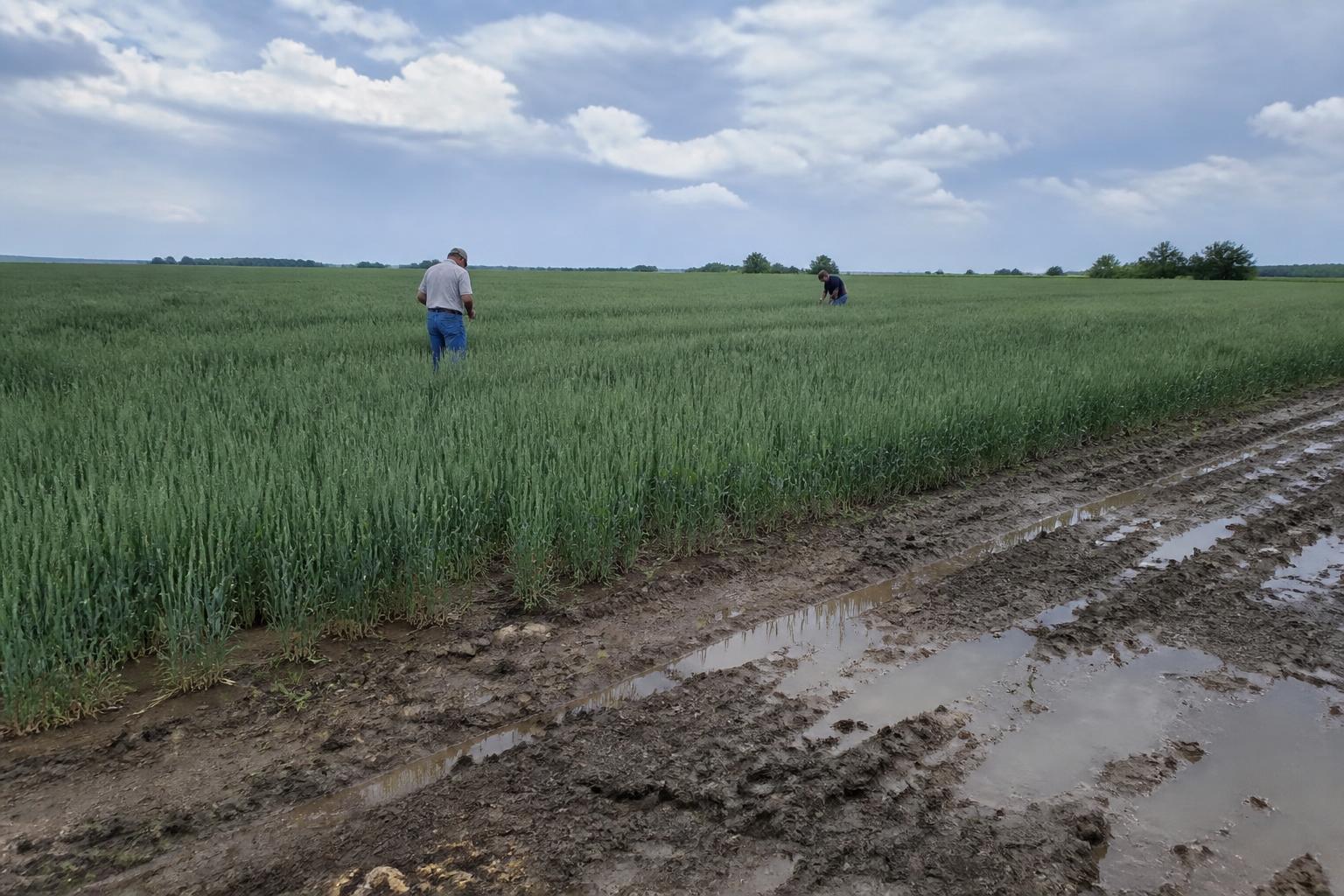
As summer reaches its peak, Illinois producers are navigating a complex landscape of environmental and operational hurdles. In regions experiencing excessive rainfall, particularly in Southern Illinois, farmers are balancing field health against mounting moisture-related risks. Maintaining effective crop protection strategies during this high-pressure period is essential to mitigating yield loss and preparing for the upcoming cycle.
As you plan for the transition into fall, it is important to remember local agronomic timing, such as monitoring fly-free dates for upcoming wheat planting. Adjusting your management practices to account for regional moisture levels and potential policy shifts regarding standard inputs, like glyphosate, can help stabilize your long-term budget and operational resilience.
Logistics and Supply Chain Stability
Logistics volatility remains a key factor for Illinois agribusinesses. Recent developments in regional distribution networks, such as the acquisition of Lanter Delivery Systems, underscore the importance of maintaining strong relationships with reliable carriers to ensure inputs and equipment move efficiently. Keeping a close eye on your logistics and input costs is a practical step to avoid bottlenecks during the busy harvest months.
Conservation initiatives are also shifting the conversation on how we manage field inputs. By integrating sustainable practices, some operations are finding new ways to maintain profitability while improving soil health, which can lead to better outcomes regardless of the season's specific challenges.
What it means for the market
The convergence of unpredictable weather patterns and shifts in regional logistics providers means that agility is your greatest asset. Whether you are adjusting your chemical application programs or securing transport for the fall harvest, proactive planning and keeping tabs on regional infrastructure updates will help Illinois farmers stay competitive in a fluctuating market environment.
Comments
No comments yet - be the first to share your take.