
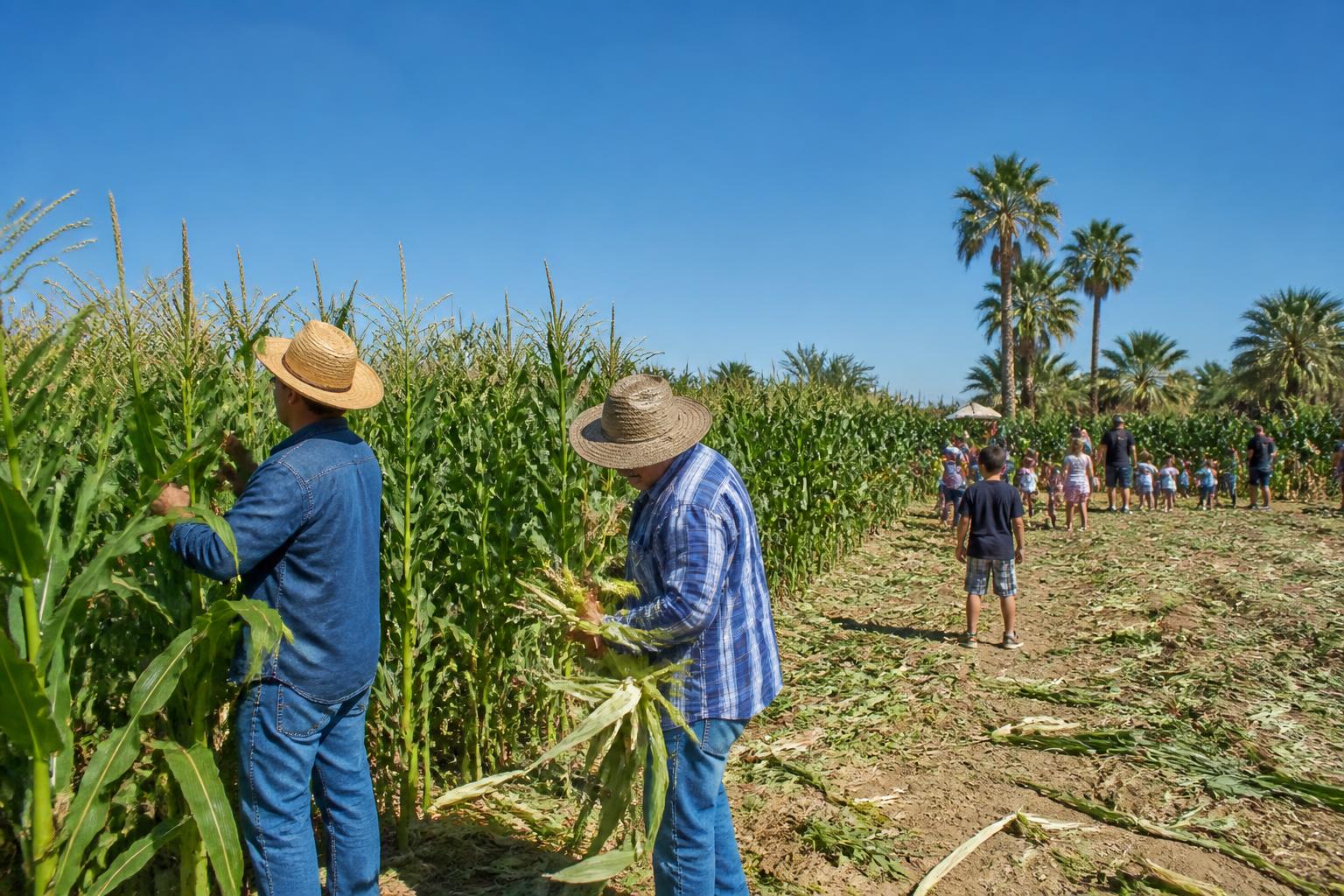
Mid-summer in Arizona demands a disciplined approach to agricultural logistics, where the intersection of extreme weather and resource management remains a constant challenge for producers across the state. From the high-production valleys to the bustling transit corridors near Phoenix, maintaining a reliable workflow requires balancing the intensive needs of Arizona ag logistics with the realities of operating during the hottest months of the year.
Navigating Labor and Operational Constraints
The agricultural workforce in Arizona continues to rely heavily on structured programs like H-2A to address the persistent demand for seasonal labor. As harvest cycles shift throughout the summer, securing consistent help is a critical component for farms attempting to keep their produce moving toward regional markets and processing centers. Operators who effectively leverage these programs often report better stability in the field, though rising administrative costs and logistical hurdles remain common themes in discussions among agribusiness leaders.
Mitigating Risks in a Challenging Season
Beyond human capital, operational integrity often hinges on risk mitigation. Many growers are finding that success in the current climate involves careful attention to both physical and digital security. Protecting farm data against emerging cyber risks is becoming as vital as maintaining heavy machinery, especially as precision agriculture tools integrate further into daily operations. Furthermore, understanding the scope and reach of local right-to-farm regulations can provide significant peace of mind for those managing nutrient application or other intensive site operations during the height of the growing season.
What it means for the market
For those managing grain, produce, or specialized inputs in Arizona, the remainder of summer promises to be a test of logistical agility. Maintaining clear lines of communication with transport partners and ensuring that labor scheduling is tightly aligned with harvest windows will be key to avoiding unnecessary downtime. As the season progresses, focusing on reliable infrastructure and legal compliance will help safeguard your operation against the volatility typical of this time of year.
Comments
No comments yet - be the first to share your take.