
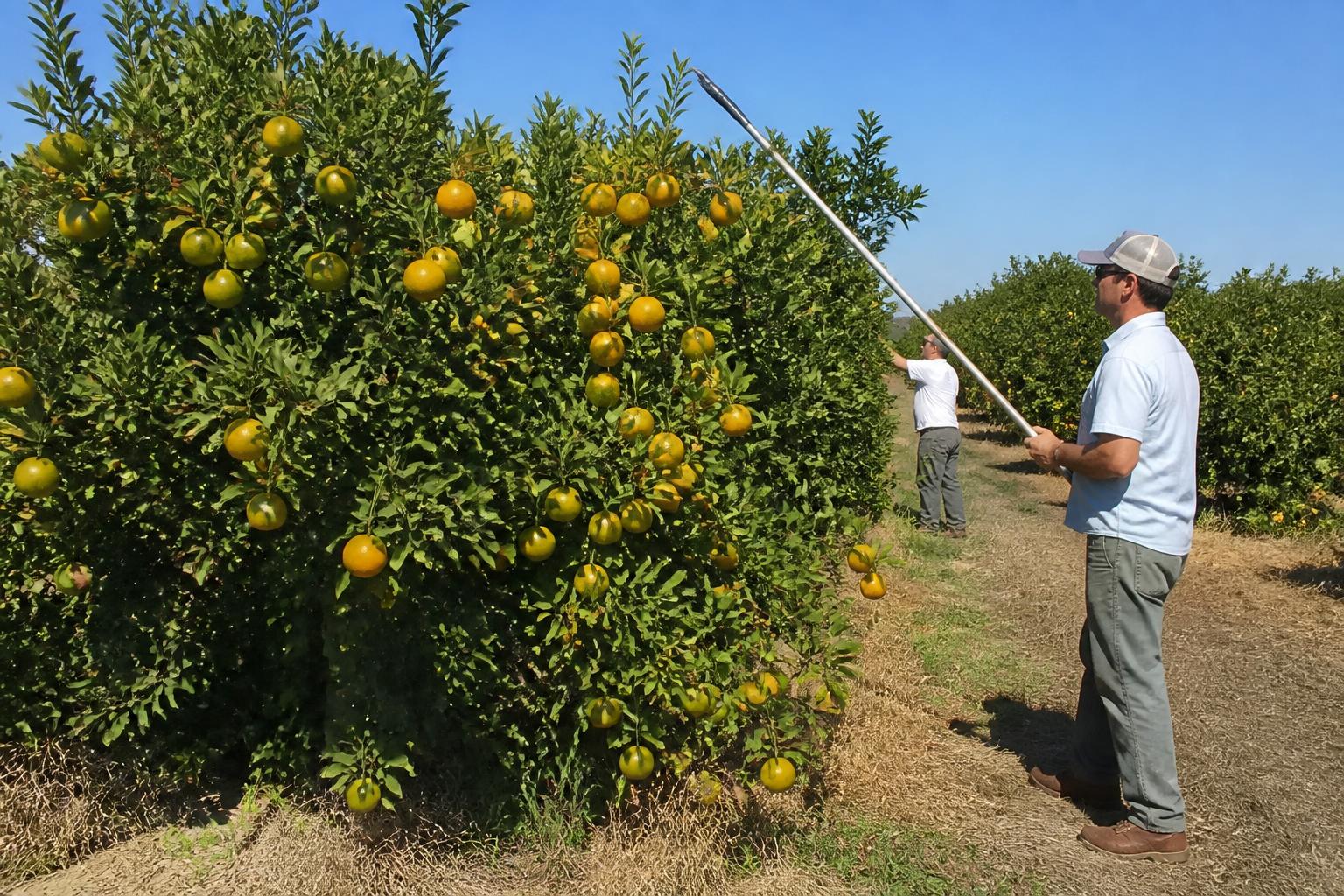
Mid-summer in Georgia brings a dual focus for producers: intense crop management and the ongoing optimization of rural agricultural logistics. As harvest preparations begin to take center stage, growers are monitoring field conditions closely while keeping an eye on the broader trade and supply chain factors that influence seasonal profitability.
Managing Seasonal Crop Threats
Recent observations indicate that disease pressure, such as citrus canker, remains a point of concern in southern Georgia. Vigilant scouting during these warm, humid months is essential to mitigating yield loss. For producers, maintaining high-quality outputs is not just about agronomics; it is increasingly tied to the ability to navigate complex rural infrastructure challenges that can complicate getting fresh produce to market on time.
Market Outlook and Regional Connectivity
Beyond the field, the regional market remains dynamic. Discussions surrounding potential trade partnerships and infrastructure modernizations suggest a continued effort to strengthen Georgia's position in the global supply chain. For those managing grain elevators or specialty crop storage, staying informed on these broad logistical shifts can help in planning for seasonal throughput. It is also a period where the importance of regional logistics shifts becomes clear, as operators look to balance domestic demand with export opportunities.
What it means for the market
For Georgia agribusinesses, the current environment demands a mix of rigorous on-farm disease management and flexible logistics planning. As we move further into the season, prioritizing reliable transportation partners and monitoring updates on rural infrastructure improvements may provide a competitive edge in managing the volatility of specialty crop shipping.
Comments
No comments yet - be the first to share your take.