
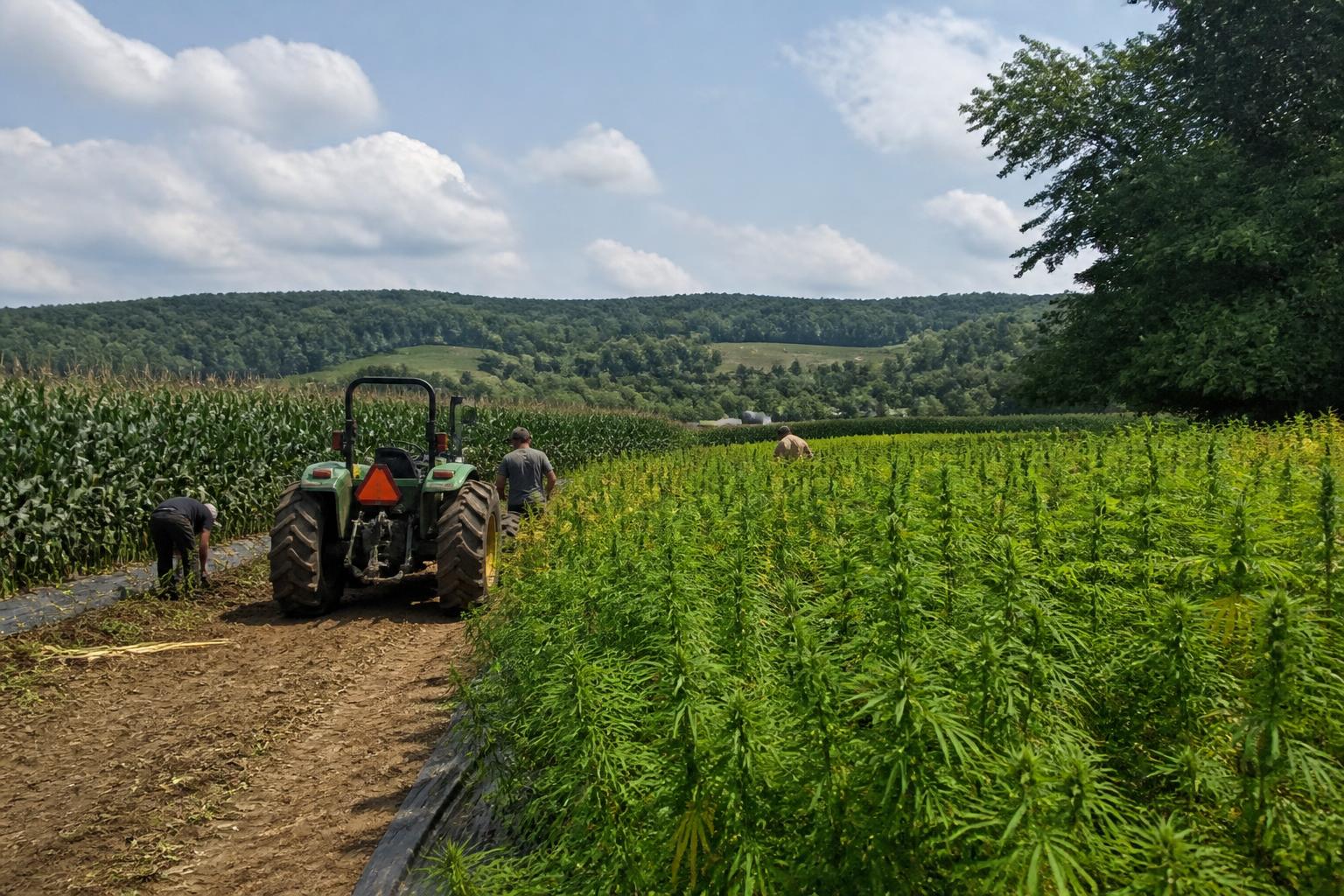
Vermont's agricultural sector is undergoing a notable transition as farms move beyond traditional dairy operations to explore more diverse revenue streams. From the Champlain Valley to the rolling hills of the Northeast Kingdom, producers are finding that adapting to changing market demands often requires a strategic blend of legacy knowledge and modern, regenerative techniques.
Expanding Beyond Traditional Dairy
The shift toward grain production has become a recurring theme for many Vermont producers looking to buffer their operations against market volatility. Regenerative agriculture practices, which emphasize soil health and long-term sustainability, are playing a key role in this transition. By integrating grains into their crop cycles, farmers are not only improving land resilience but also tapping into regional demand for high-quality feed and food-grade products.
Legislative and Economic Support
Local policymakers are currently examining ways to better support these evolving operations, particularly regarding agricultural land use and zoning exemptions. These legislative discussions are critical for farmers looking to diversify their land use, such as shifting acreage from conventional dairy forage to specialty crops or grains. Furthermore, state-backed investment initiatives continue to provide capital to help farms modernize their infrastructure and adopt more efficient production systems.
The Role of Niche Markets
While grains and diversified field crops are gaining ground, Vermont's commitment to specialized sectors remains a hallmark of the state economy. Maple syrup production continues to be a powerhouse, consistently leading the nation in output. Meanwhile, farmers continue to investigate opportunities in year-round production, such as utilizing protected structures to grow greens even during the challenging Northern winters. This ability to extend the growing season helps local producers maintain consistent market presence regardless of the time of year.
What it means for the market: For input buyers and grain handlers, the trend toward crop diversification in Vermont suggests a need for more localized infrastructure and flexible handling capacity. As farms increasingly adopt regenerative practices, there may be growing opportunities for businesses providing specialized biologicals and custom planting solutions. Producers who remain agile in their crop selection and land management stand to benefit most from the ongoing shift in the state's agricultural portfolio.
Comments
No comments yet - be the first to share your take.