
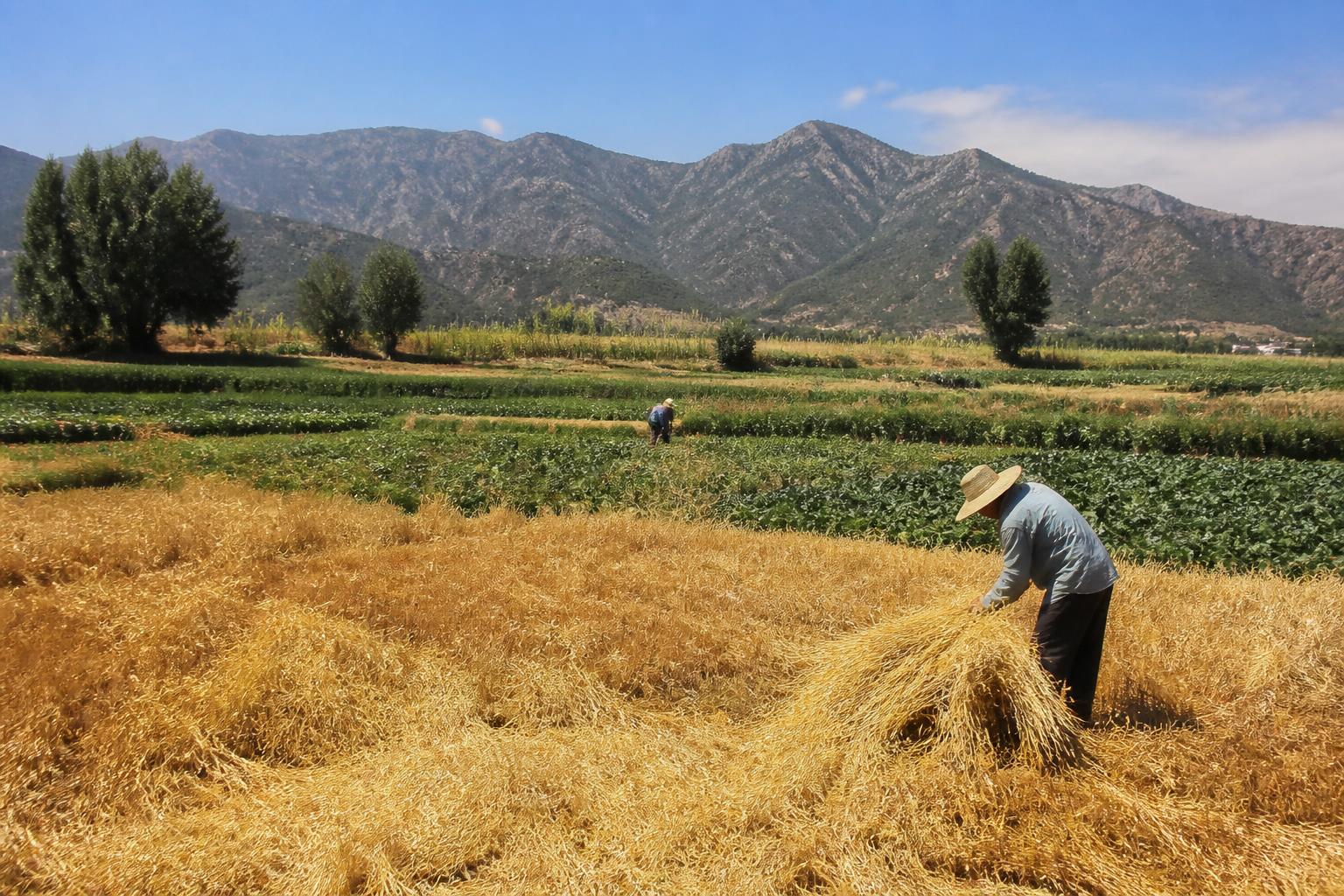
For Colorado producers managing fields from the high plains to the mountain valleys, the current summer season is bringing a sharp focus on operational stability. Between the realities of shifting water availability and the complexities of local logistics, protecting the bottom line has become as critical as maximizing yield. In recent months, more attention has shifted toward the role of insurance as a foundational tool for navigating both climate-related pressures and broader market volatility.
Bolstering Resilience in a Changing Climate
Risk management in Colorado often extends beyond simple yield protection. Producers are increasingly aware of the diverse threats to their bottom line, ranging from environmental stressors to operational disruptions. As many growers fine-tune their crop management strategies, the integration of robust insurance coverage is proving essential to maintaining viability. This is particularly relevant in areas where water scarcity and variable growing conditions necessitate a more defensive approach to capital allocation.
Strategic Planning Amid Local Constraints
The agricultural landscape is also influenced by the logistical and economic pulse of the state. Whether it is managing the nuances of grain transport and storage or keeping a close watch on regional labor and input market developments, successful operations are those that account for every link in the supply chain. Insurance programs that reflect these specific regional risks—rather than one-size-fits-all policies—are becoming a standard component of professional farm planning.
Ultimately, the move toward specialized protection plans reflects a broader trend among Colorado agribusinesses to prioritize long-term sustainability over short-term gains. By addressing potential points of failure before they manifest, producers are better positioned to weather the fluctuations that define modern agriculture in the West.
What it means for the market
For grain handlers, input providers, and local logistics firms, this shift suggests a more risk-averse producer base. Expect continued interest in flexible service agreements and insurance-backed supply contracts. As growers prioritize stability, businesses that offer reliable, predictable partnerships will likely see the strongest engagement throughout the harvest cycle.
Comments
No comments yet - be the first to share your take.