
The Cost-Efficiency Challenge
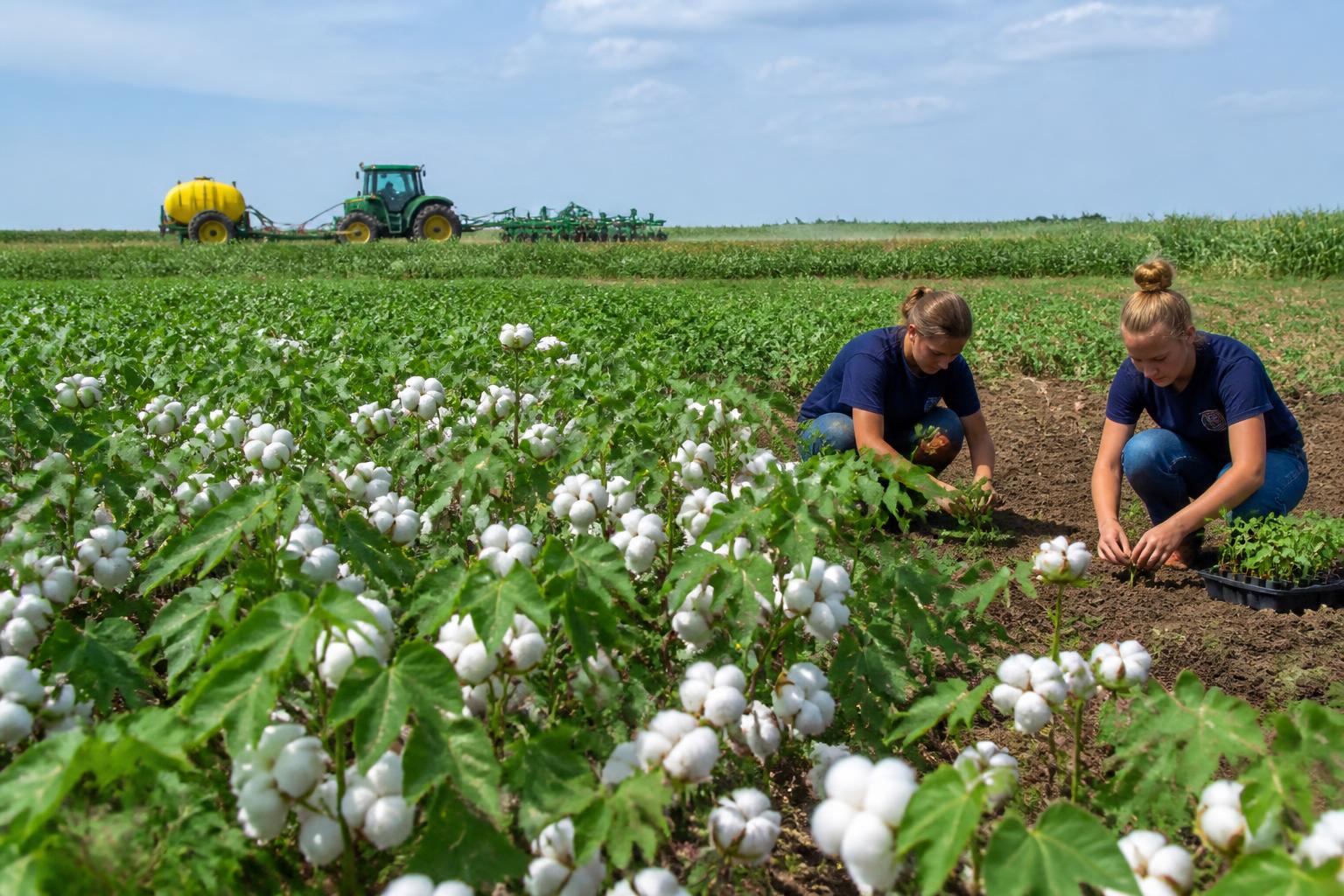
For many Oklahoma farmers, the current agricultural landscape remains a complex balancing act. While local producers have seen encouraging results in specific sectors, such as high-quality cotton yields and steady output from various regional crops, the underlying financial pressure remains acute. Growers are increasingly forced to evaluate every dollar spent on inputs as they work to maintain profit margins against a backdrop of global supply chain uncertainty.
Fertilizer accessibility, in particular, continues to weigh on the minds of producers across the state. With international events impacting urea markets, the ripple effects are felt directly by Oklahoma growers who must decide how to optimize their fertility programs without overextending their operating budgets. The reliance on imported nutrients, which can be sensitive to global political shifts, makes proactive planning essential for maintaining yields in future seasons. Tracking regional supply trends is becoming a critical tool for those looking to mitigate these logistical and financial headwinds.
Adapting to Market Realities
Oklahoma’s ag economy is, as always, deeply split between the intensive demands of row-crop production and the requirements of the cattle sector. For grain handlers and input buyers, the priority remains navigating volatility in the grain markets, where price fluctuations can quickly undermine a season of hard work. Whether you are managing nitrogen application or timing a grain sale, the ability to pivot based on real-time market data is no longer optional.
Furthermore, as federal guidelines continue to solidify the role of agriculture as critical infrastructure, the focus for many businesses is shifting toward efficiency and risk management. For those in the field, this means leveraging local resources to stay informed on logistics and protection strategies that can shield operations from sudden shocks. As the season progresses, maintaining a close eye on input-to-output ratios will be the defining factor for success in the Oklahoma plains.
What it means for the market
Expect continued pressure on input purchasing, particularly regarding imported fertilizers. Producers who focus on flexible procurement strategies and monitor regional market sentiment will likely be better positioned to manage the ongoing cost-price squeeze. Keep a close watch on transportation and local supply availability, as these factors remain the primary gatekeepers for profitability in the coming months.
Comments
No comments yet - be the first to share your take.