
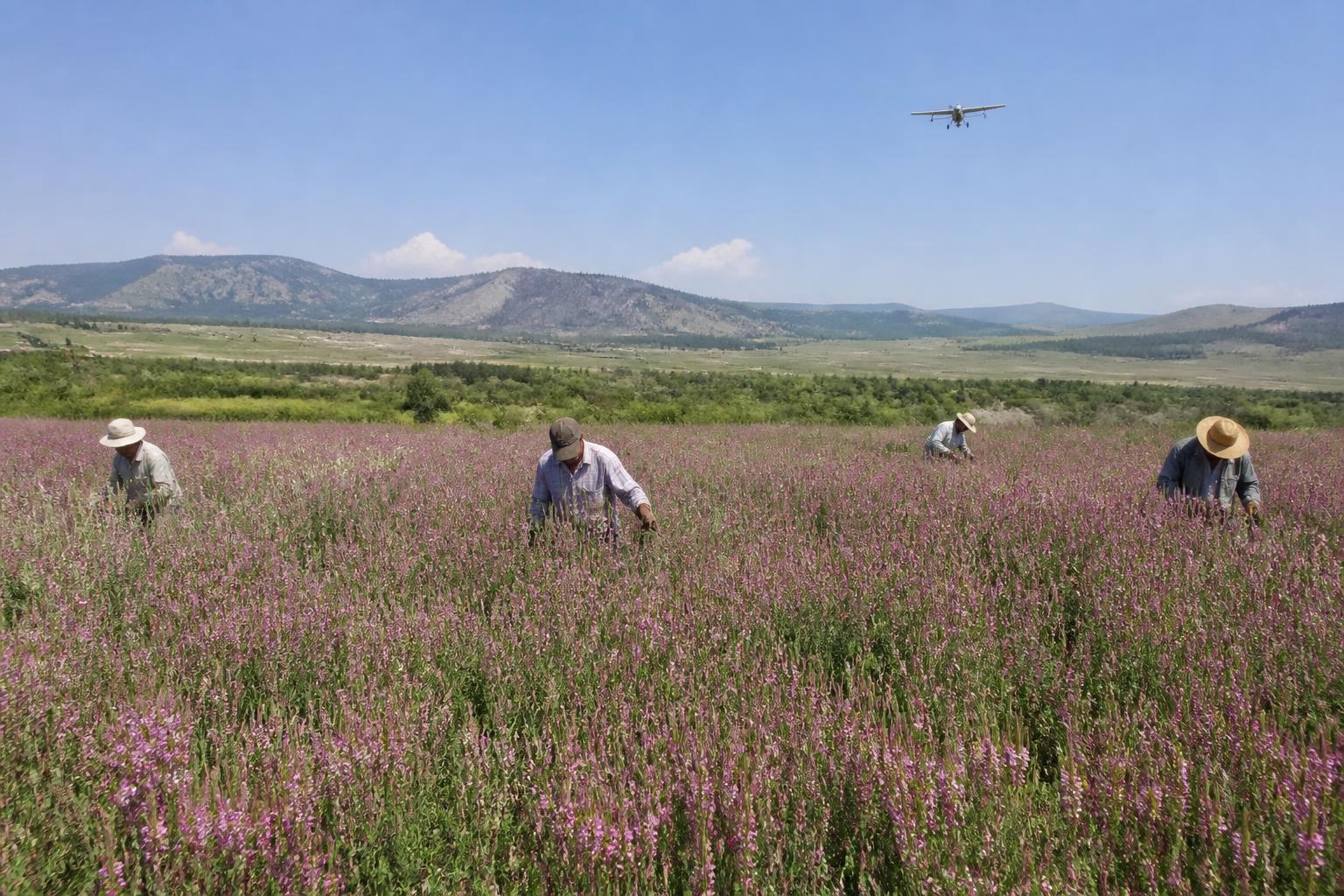
As the summer harvest cycle gains momentum across Wyoming, agricultural producers are increasingly navigating a complex economic landscape. Recent reports indicate that the broader rural economy is experiencing notable strain, driven primarily by persistent weakness in crop prices. This trend places additional pressure on operational margins, prompting many local farmers to re-evaluate their input management strategies while seeking ways to maximize the efficiency of their existing resources.
Adapting to Market Variability
Forage markets in particular have entered a phase of increased uncertainty. Producers are balancing standard seasonal yields with the necessity of maintaining soil health and crop resilience against regional environmental challenges. As some look toward innovative forage crops like sainfoin to optimize production, others are emphasizing the integration of specialized research aimed at sustaining agriculture in the arid West. These efforts are essential for remaining competitive when traditional price support mechanisms remain in flux at the federal level.
Focusing on Operational Efficiency
The current market environment is forcing a disciplined approach to farm management. Many producers are finding that success in the current climate relies on more than just yield volume; it requires a deep focus on cost-to-profit ratios. Whether managing livestock grazing patterns to avoid toxic plant species or investigating unconventional soil amendments to improve water retention, Wyoming ag businesses are demonstrating high adaptability. This focus on long-term sustainability is critical as the sector manages the dual realities of volatile market pricing and the seasonal demands of a high-country growing cycle.
What it means for the market
Producers should anticipate continued caution in the short term. The tightening of the rural economy suggests that localized supply chain resilience and strategic input purchasing will be key indicators of success this season. By prioritizing high-value forage production and closely monitoring regional market fluctuations, Wyoming operations can better position themselves to absorb the impacts of broader agricultural pricing trends.
Comments
No comments yet - be the first to share your take.