
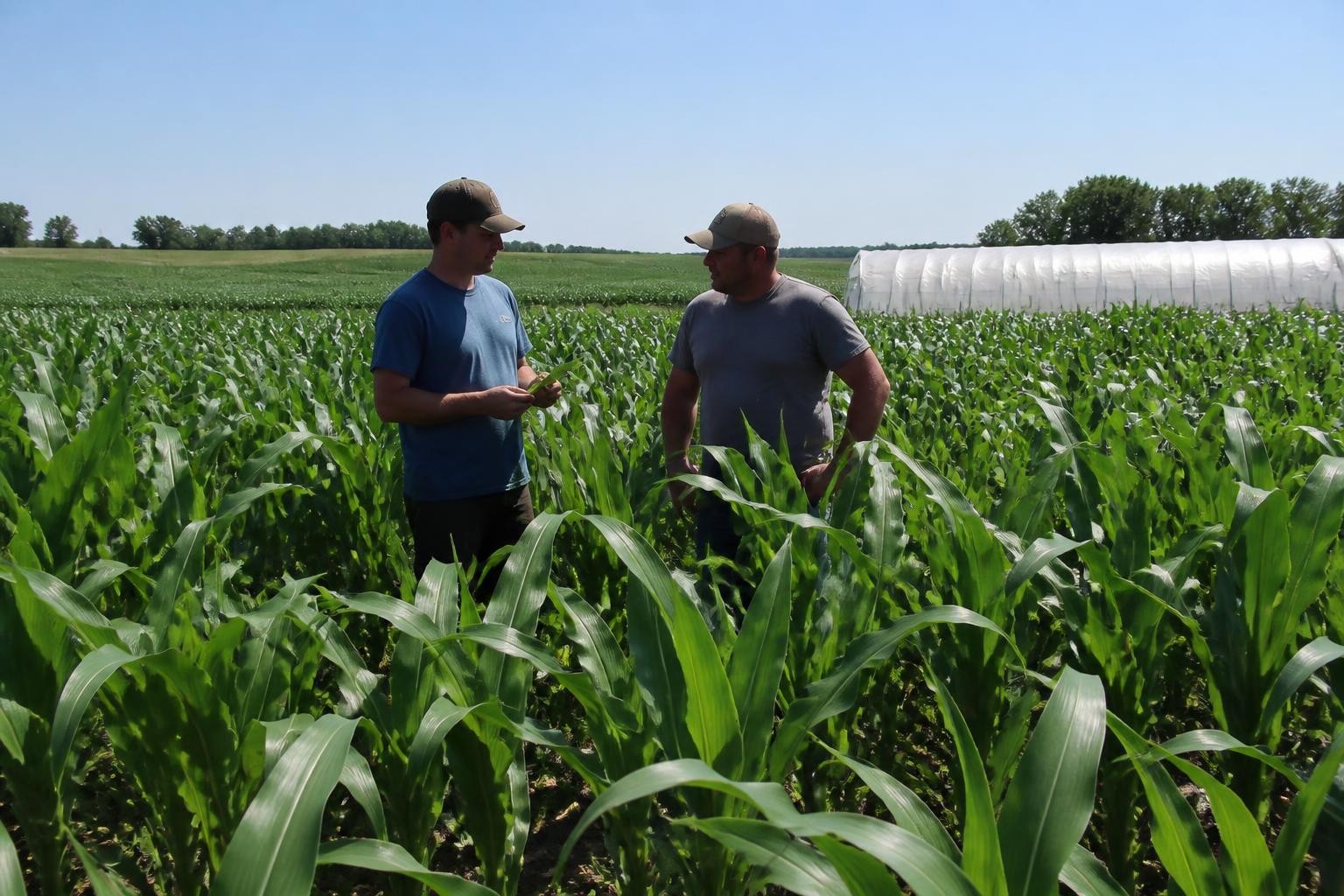
Mid-summer in Iowa brings a unique set of challenges as the corn crop pushes through its development stages faster than typical seasonal averages. While early crop progress has been a highlight, the agricultural community remains vigilant regarding field pressures and the logistical realities of managing inputs. Monitoring for pathogens remains a priority, though current observations have generally shown manageable levels of southern rust across many local operations.
Navigating Input Costs and Field Management
Beyond crop health, the economic landscape continues to draw significant attention from Iowa growers. Ongoing conversations regarding fertilizer industry practices persist, with various groups expressing concerns about market competitiveness and pricing structures. As farmers evaluate their current season needs and look toward future planning, these broader economic factors often influence decisions on managing summer crop protection and long-term soil health strategies.
For many, the focus is increasingly on balancing immediate yield protection with efficient resource allocation. The integration of technology, including autonomous systems and innovative agricultural partnerships, is beginning to play a more prominent role in helping producers optimize field operations. Simultaneously, participation in learning initiatives, such as upcoming cover crop field days, underscores a commitment to sustainable practices that may help mitigate environmental volatility.
Logistics and Market Readiness
Efficient movement remains a pillar of Iowa's competitive edge. Developments in regional infrastructure, such as advancements in rail park certifications, are being watched closely by those handling high volumes of grain. As harvest preparations begin to take shape in the minds of operators, early signs of accelerated crop maturity could potentially shift traditional logistics and market movement timelines, requiring close coordination between elevator managers and transport providers to navigate the upcoming peak periods.
What it means for the market: With corn reaching maturity faster than anticipated, farmers should prepare for a potentially compressed harvest window. Early coordination with downstream logistics partners and a proactive approach to crop protection and input management will be essential for maintaining margins through the remainder of the season.
Comments
No comments yet - be the first to share your take.