
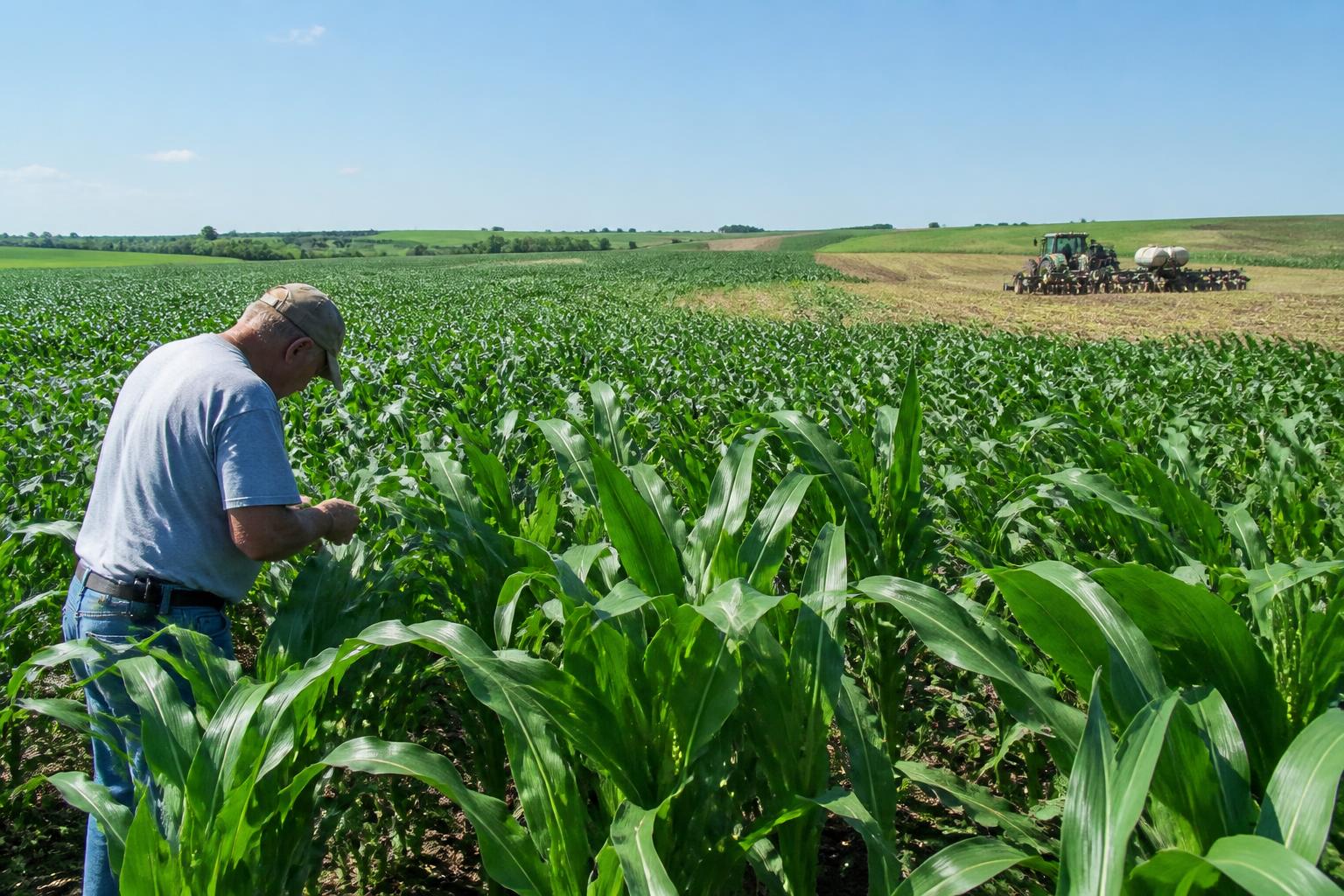
Mid-summer in Iowa brings a unique set of challenges as crop development accelerates across the state's fertile regions. Producers are currently keeping a close watch on the emergence of seasonal fungal threats, specifically the presence of southern rust, which has been identified as a significant concern for corn crops during this stage of the growth cycle.
Effective crop protection requires more than just timely application; it demands a granular understanding of local field health. As canopy closure occurs in many areas, the microclimate within corn fields can become highly favorable for rust development. When coupled with the ongoing demand for efficient logistical coordination across rural corridors, farmers are balancing the need for rapid treatment with the complexities of navigating dense vegetation and avoiding potential application drift issues.
Evaluating Field Risks and Mitigation
Integrated pest management strategies remain the front line of defense. The arrival of southern rust often signals that scouting efforts must shift into high gear. While regional humidity levels are a primary driver, the decision to invest in fungicides is often weighed against current commodity price volatility and the potential for long-term yield impact. Many producers are utilizing the latest market data and logistical insights to determine if supplemental protection aligns with their specific economic thresholds for the season.
Key Considerations for Producers
- Scouting Frequency: Increased humidity in mid-summer necessitates more frequent checks for lesions in the lower to middle canopy.
- Application Timing: Ensuring precise timing helps maximize the efficacy of fungicides, particularly when weather conditions limit the windows for field entry.
- Drift Stewardship: Following state-approved label guidelines is critical, especially when applying treatments near susceptible neighboring crops.
What it means for the market
For Iowa agribusinesses and grain handlers, the focus on crop health is a precursor to a high-stakes harvest. Increased expenditure on late-season protection reflects an industry-wide effort to stabilize output against mounting environmental stressors. As we move further into the summer months, the market will likely continue to react to data regarding overall crop condition scores, making current vigilance in the field a key determinant of final supply chain volumes.
Comments
No comments yet - be the first to share your take.