
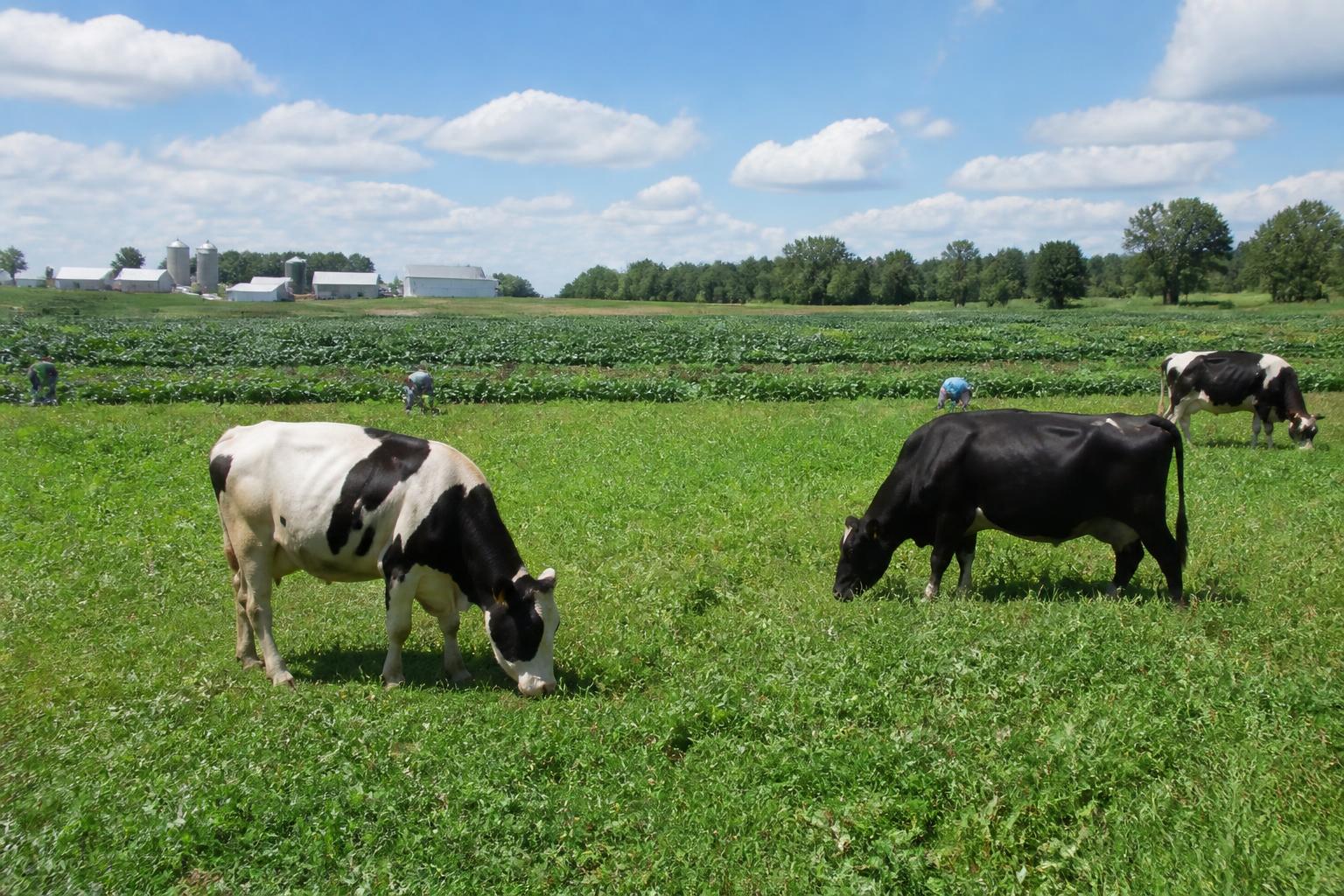
Mid-summer in Wisconsin is defined by rapid crop development and the critical maintenance of field infrastructure. For producers across the Badger State, the current period often involves balancing daily agronomic tasks with broader, long-term operational adjustments. Whether managing specialty crop projects or overseeing the maturation of staple grains, farmers are currently navigating a season marked by variable environmental pressures that impact everything from soil moisture levels to input management strategies.
As operations progress through July, many producers continue to focus on stabilizing their business models against external shifts. This includes navigating summer logistics and preparing for the eventual transition into the autumn harvest window. Reliable crop protection and prudent resource management remain essential as farmers assess their seasonal outcomes in a changing landscape.
Adapting to Evolving Field and Market Pressures
The resilience of Wisconsin agriculture often relies on the ability to adapt to regional conditions. Recent discussions among local growers have centered on the necessity of effective field management. Furthermore, many family-run enterprises are increasingly prioritizing succession planning to ensure the continuity of their operations. This institutional focus on longevity is critical as the state sees ongoing changes in the number of active dairy farms and specialty crop operations.
Input costs and logistics also remain significant areas of interest for agribusinesses statewide. As producers evaluate their seasonal strategies, many are looking closely at how weather-related logistics influence their bottom line. Maintaining a proactive approach to soil health and crop protection is helping many growers manage the complexities of a volatile summer season.
What it means for the market
For Wisconsin producers and handlers, the current market climate underscores the importance of operational flexibility. As we look toward the later months of the season, maintaining close attention to regional logistics and legislative developments regarding farm inputs will be key to mitigating risk. Successfully balancing day-to-day field tasks with strategic planning will help operators remain competitive and prepared for the evolving agricultural landscape in the months ahead.
Comments
No comments yet - be the first to share your take.