
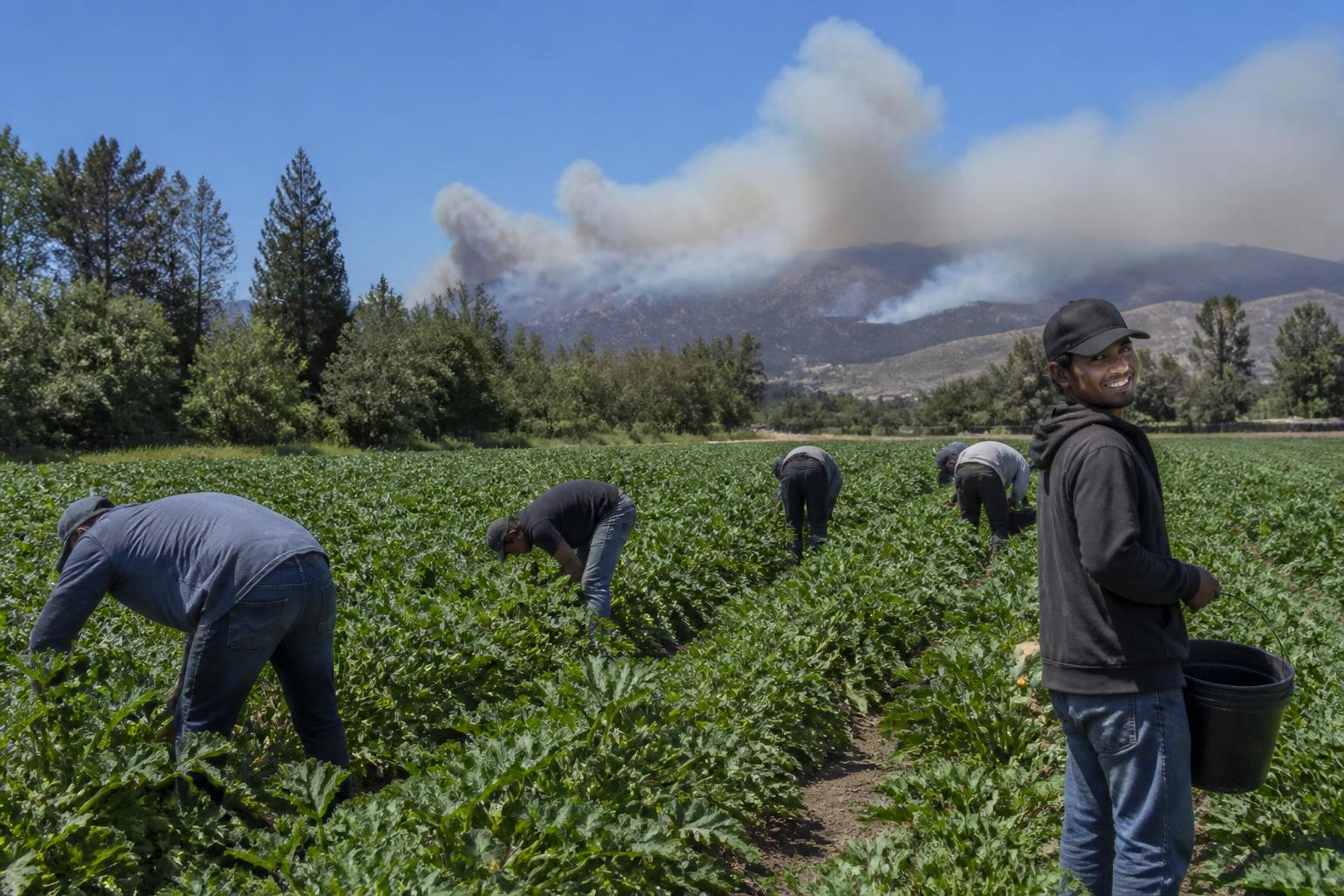
Utah producers are currently navigating a complex summer season defined by persistent heat stress and shifting economic currents. With temperatures climbing across regions from the valleys to more rugged agricultural outposts, managing field operations and protecting crop investments has become the primary focus for many. The strain on irrigation systems remains a critical concern, as maintaining consistent water access is essential for protecting yields during the height of the summer growing cycle.
Adapting to Input Cost and Supply Pressures
For many agribusinesses, the current climate is as much about financial risk management as it is about agronomy. Recent shifts in global markets, including instability in energy sectors, have ripple effects that reach local grain operations and input buyers. As some producers look for ways to optimize their fertilizer strategies, the emphasis has shifted toward precision and efficiency to offset potential cost fluctuations. Monitoring these supply chain developments allows handlers and farmers to make more informed decisions about when to secure essential supplies.
Logistics and Labor in Regional Hubs
Operations in smaller agricultural centers, such as those found around Salina, continue to balance the need for specialized labor with the seasonal demands of the harvest. While the local agricultural community remains resilient, the challenge of finding consistent labor support remains a recurring theme for regional storage and transport facilities. Efficient coordination between producers and local grain elevators remains vital, especially as regional credit and conservation programs continue to influence decision-making for the season ahead.
Focusing on Crop Resilience
Specialty growers and field crop producers alike are increasingly turning to data-driven approaches to mitigate the risks associated with extreme heat. Whether implementing new biofertility tools or adjusting harvest windows to avoid the peak of the daily solar intensity, the focus remains on stabilizing output. This proactive stance on crop protection is essential as growers aim to maintain quality standards despite the harsh environment.
What it means for the market: Producers should prepare for continued volatility in input pricing by prioritizing high-efficiency applications and maintaining clear communication with regional suppliers. As labor constraints and logistics remain a bottleneck, early planning for harvest transportation and storage capacity will be key to avoiding unnecessary costs during the upcoming peak activity months.
Comments
No comments yet - be the first to share your take.