
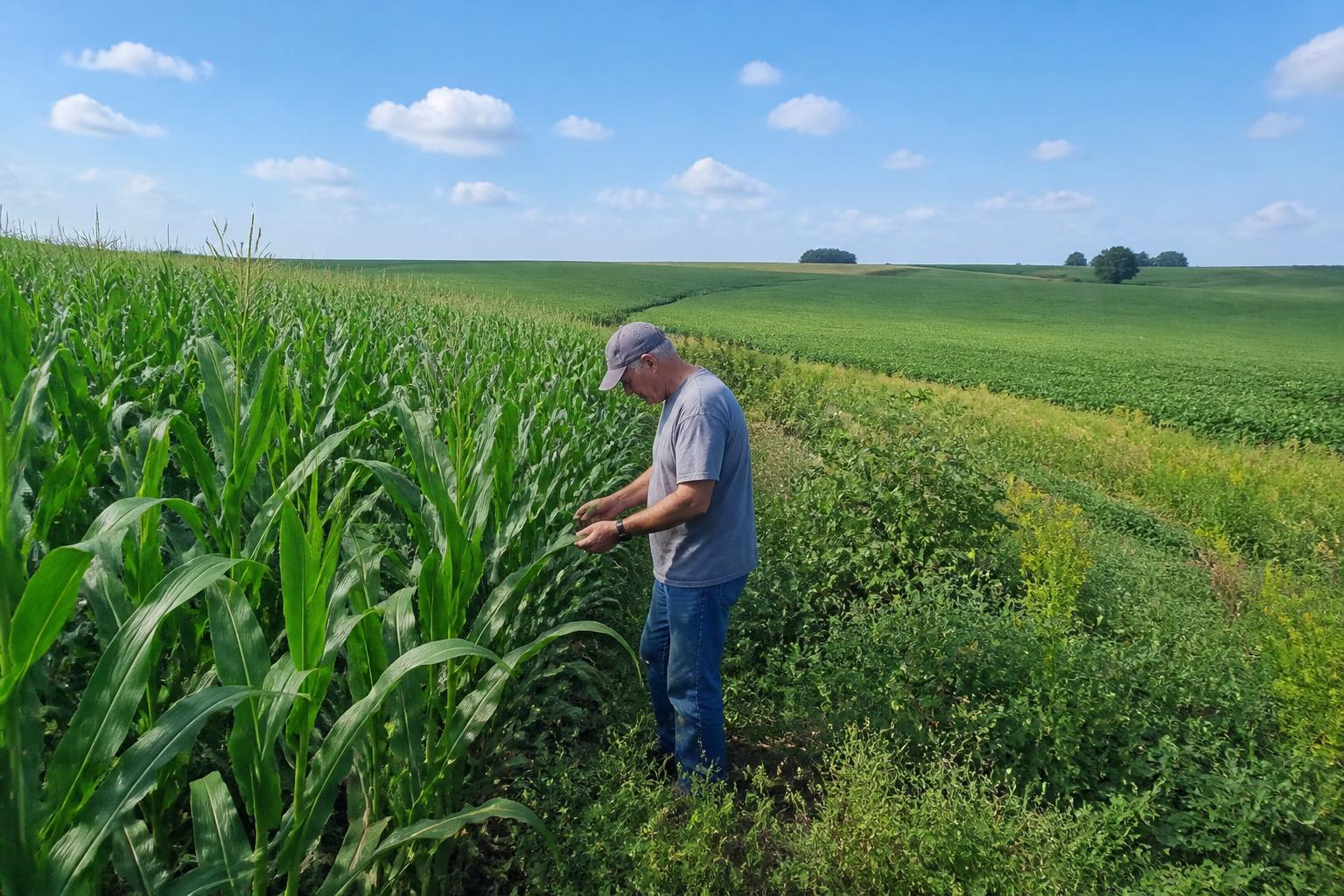
Optimizing Input Efficiency in the Field
As we move through the heat of July, Nebraska producers are increasingly focused on refining crop protection strategies to maintain margins. With regional reports highlighting both the emergence of resistant weed biotypes and the localized spread of diseases like tar spot, growers are turning toward advanced precision tools. Selective spray technology is emerging as a critical component, allowing for targeted applications that reduce waste and ensure that chemical costs are strictly allocated where they are needed most.
Effective management is not just about the chemistry itself, but about the tactical deployment of these resources. For those managing pest pressures and input efficiency, the use of site-specific data can prevent unnecessary exposure of native vegetation to potential herbicide drift. By fine-tuning equipment settings and timing applications to match specific growth stages, operators can protect both their bottom line and the surrounding landscape.
Adapting to Evolving Pressures
Beyond weed control, the industry remains vigilant regarding Bt corn resistance and the impact of severe weather events such as hail. When crop damage occurs, the focus shifts immediately to recovery and minimizing further stress. Protecting the integrity of the stand often requires a balanced approach, weighing the cost of corrective sprays against potential yield loss. This season, as field conditions remain variable across Nebraska’s diverse counties, early identification and scouting are the most reliable defenses against unexpected yield drags.
What it means for the market
For grain handlers and agribusinesses, the shift toward higher-precision farming means that input demand is becoming more targeted and perhaps more seasonal than in past years. While overall farm income forecasts remain complex due to sector disparities and shifting land values, the focus on technical efficiency suggests that local producers are prioritizing high-ROI interventions. Staying ahead of these management trends will be essential for service providers and input suppliers navigating a challenging economic environment in the coming months.
Comments
No comments yet - be the first to share your take.