
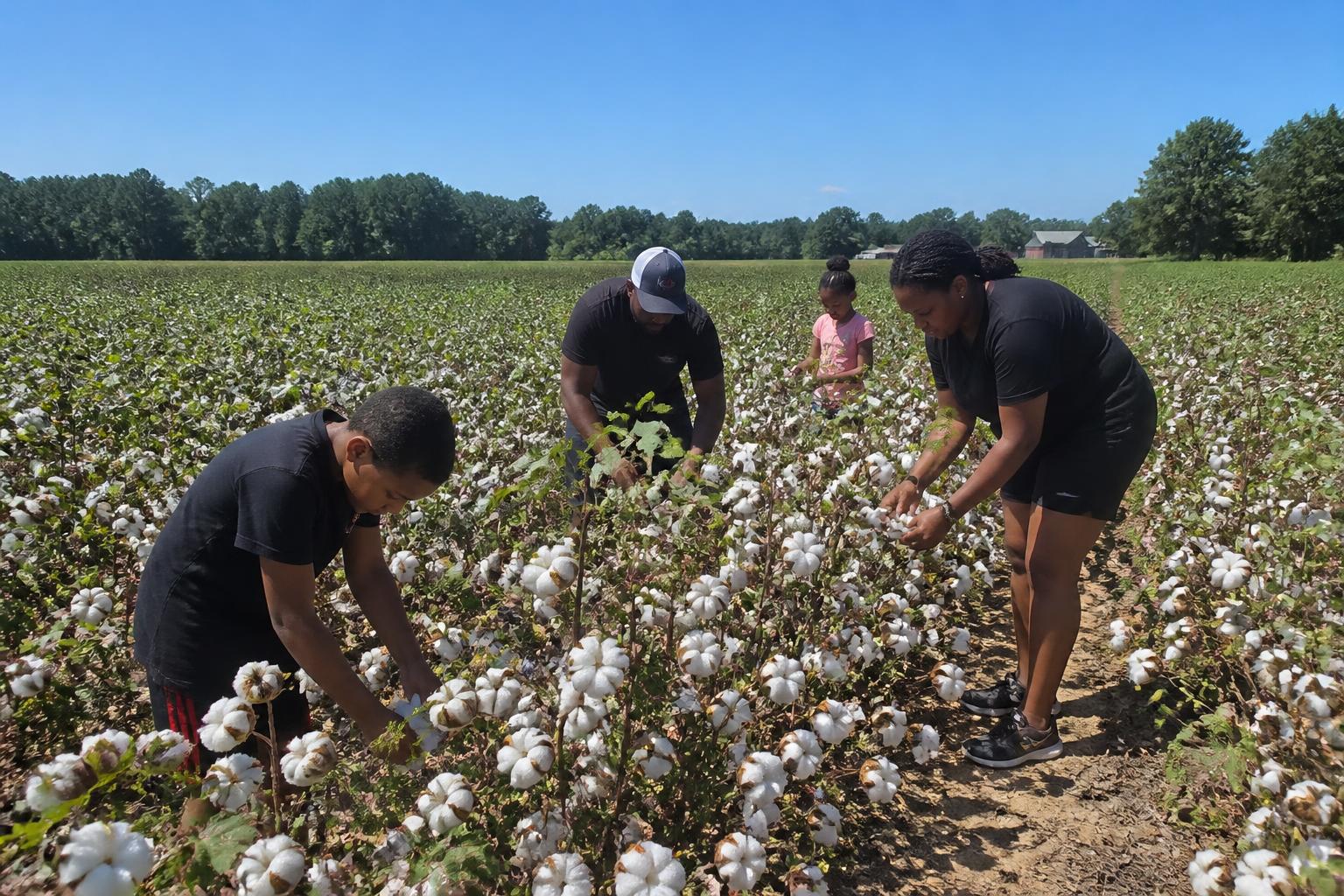
Focusing on Mid-Season Crop Protection
As the summer heat intensifies across Alabama, the focus for many producers shifts toward intensive crop monitoring and protection. Maintaining vigor in major commodity crops remains a priority as the season progresses, with field observations often highlighting the importance of timely intervention against moisture stress and localized pest pressure. In some regions of the state, managing the balance between field input costs and anticipated yields has become a central theme for strategic decision-making.
For growers evaluating the current trajectory of their fields, expert analysis often suggests a cautious approach regarding significant input adjustments until further mid-season data is available. Evaluating the health of row crops is critical during these high-growth weeks, as environmental volatility can impact long-term productivity. Strengthening your approach to regional agronomy, such as strategies for improving soil health, can provide a more resilient foundation for future seasons.
Navigating Market and Environmental Risks
Beyond immediate crop protection, producers are keeping a close eye on broader trends impacting the state's agricultural backbone. Whether it is managing the legacy of historical production sectors like cotton or adapting to changing regional dryness, the ability to pivot is often required. The potential for weather-related quality concerns remains a perennial topic of discussion, prompting many to utilize protective measures and precision monitoring to minimize potential losses before harvest approaches.
Operational logistics and input planning also play a significant role in managing farm profitability. With agricultural economic indicators remaining complex, many in the industry are prioritizing asset preservation and operational efficiency. By leveraging consistent data points and focusing on localized field conditions, agribusinesses and farmers can better navigate the fluctuations inherent in summer production cycles.
What it means for the market
For Alabama farmers, the current market climate underscores the necessity of disciplined risk management. By focusing on crop protection and holding off on premature capital expenditure, growers may better position themselves for the upcoming harvest period. Maintaining an emphasis on long-term soil and plant health will remain essential for stabilizing output in an uncertain regional environment.
Comments
No comments yet - be the first to share your take.