
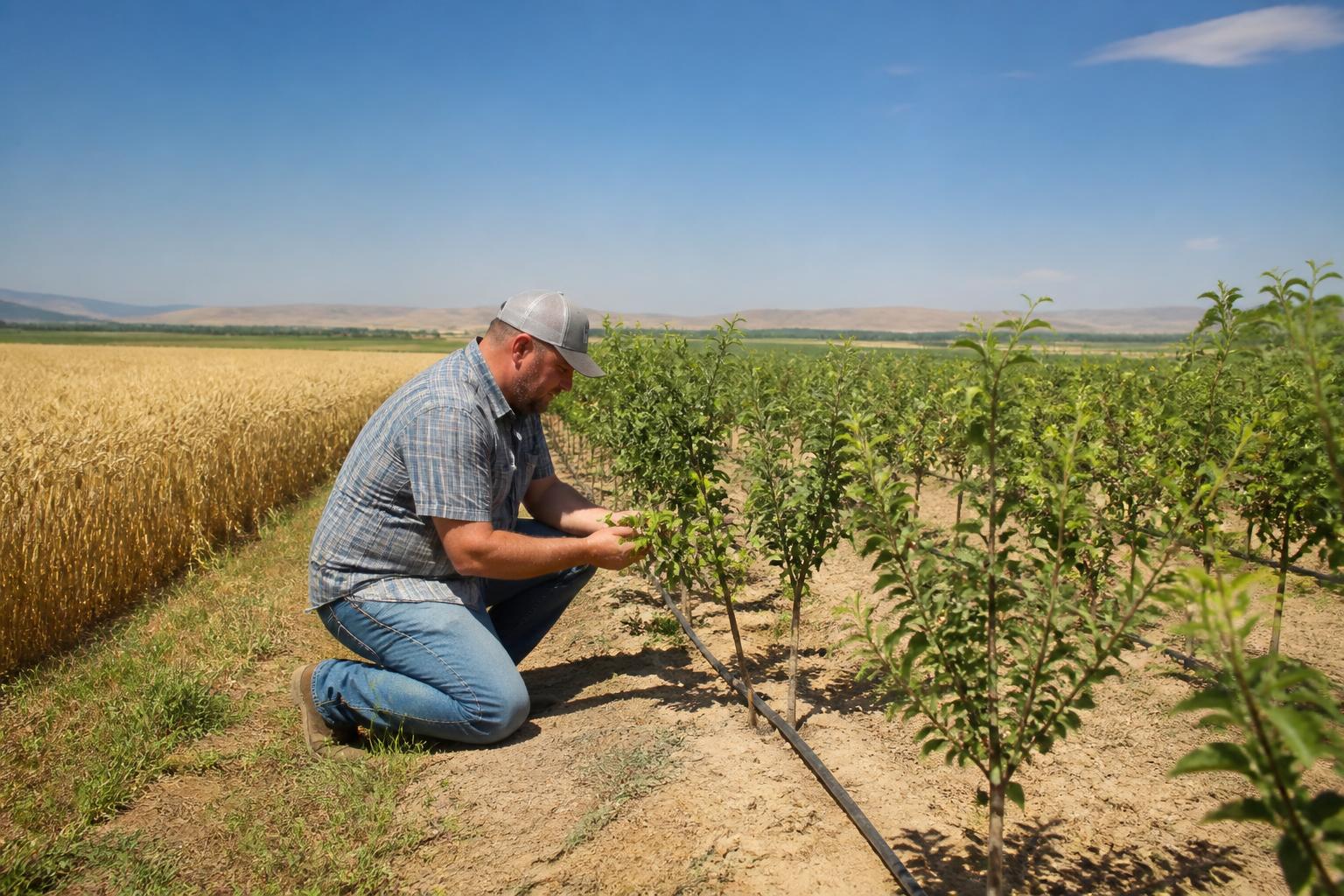
In Idaho, the ongoing tension between rapid regional development and the preservation of productive agricultural land has reached a critical juncture. As seen with large-scale divestments like the recent $65 million listing of a 10,587-acre operation, the state is witnessing a transformation in how farmland is valued and utilized. For producers and agribusinesses, this shift often creates a complex environment where securing operational longevity is just as vital as managing seasonal production cycles.
Navigating Regulatory and Operational Pressures
Producers are currently navigating an landscape where regulatory oversight, such as wetlands management, can intersect with property rights in unexpected ways. Protecting the right to farm is increasingly becoming a central pillar for many in the industry, particularly as urban and commercial development continues to encroach on traditional growing regions. Ensuring that infrastructure—from irrigation rights to modernized logistics for transport—remains supportive of farmers is a priority for those looking to maintain output in a changing state.
The Dual Focus on Yield and Asset Security
While long-term land security remains top of mind, the immediate focus for Idaho operations continues to be seasonal efficiency. Whether managing emerging challenges like wireworm, which can significantly impact crop health, or exploring new seed variety performance, growers are balancing technical adjustments with broader economic realities. Input buyers and grain handlers should remain aware that market volatility, often influenced by global shipping routes or legislative changes to loan rates, can quickly ripple through to the farm gate.
What it means for the market
For those in the supply chain, the current climate suggests a need for increased vigilance regarding land access and regulatory compliance. As property values climb and development pressures rise, operations that proactively secure their resource rights and optimize their technological output will likely be better positioned to navigate the coming seasons. Staying informed on regional infrastructure developments and shifting policy landscapes remains essential for maintaining profitability in the Idaho agricultural sector.
Comments
No comments yet - be the first to share your take.