
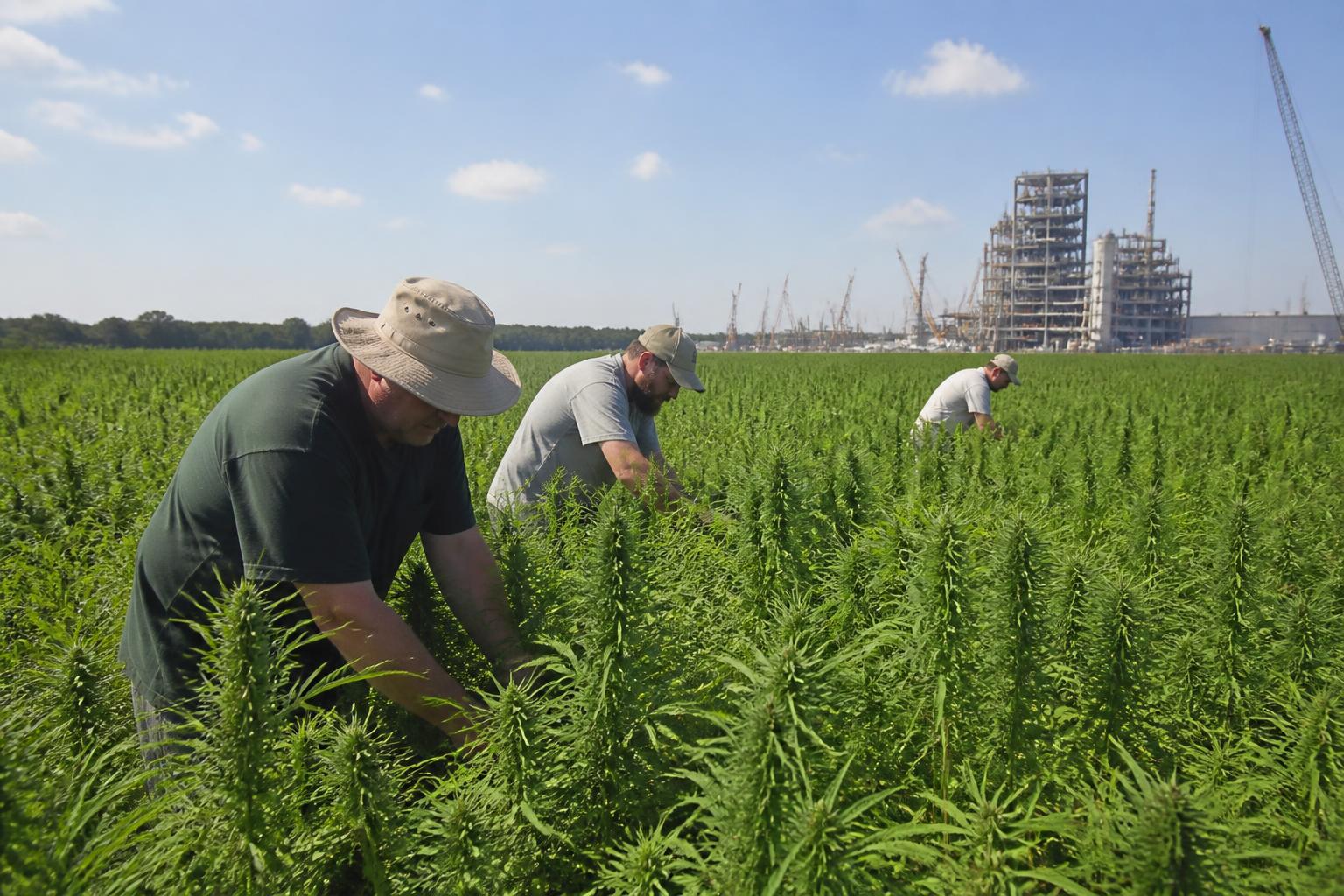
Kentucky farmers are navigating a period of significant infrastructure development as the state continues to bolster its local input supply chain. A key development in Hopkinsville centers on the construction of a substantial new fertilizer facility, a move that may help regional growers mitigate some of the volatility often associated with transporting chemical inputs across long distances.
Building Resilient Supply Chains
For agribusinesses and grain handlers, the arrival of new production capacity in the western part of the state reflects a broader trend of shortening supply lines. By improving access to vital nutrients, local operations can better manage fertilizer volatility while potentially lowering the logistics burden during the tight windows of the planting season. This regional focus is particularly relevant as producers balance input costs against shifting market demands.
Adaptability in a Changing Environment
Beyond inputs, the state’s agricultural sector is demonstrating increased flexibility in response to environmental and economic pressures. Specialty farmers are increasingly modifying harvest schedules to navigate the intense summer heat, ensuring product quality and protecting laborers from extreme conditions. Simultaneously, the industry continues to monitor developments regarding long-term market stability for diverse crops. Producers and processors alike are exploring how protected agriculture, such as greenhouse production, can supplement traditional open-field methods to maintain consistency in yield and quality throughout the growing season.
Protecting the Foundation
Land stewardship remains a core pillar of the conversation across Kentucky counties, with ongoing legislative efforts aimed at preserving farmland from development. This focus on long-term viability is mirrored by the need to manage external threats to crop production, such as wildlife pressure, which can significantly impact bottom lines in rural areas. Engaging with these seasonal operational pressures is now a standard part of the annual planning cycle for many Kentucky agribusinesses.
What it means for the market
The convergence of localized manufacturing and a shift toward precision management signals a move toward greater regional self-sufficiency for Kentucky agriculture. As supply chain bottlenecks shift, farmers who leverage local facility expansions and adopt adaptive harvest techniques are likely to see improved control over their input costs and a more consistent delivery schedule for their final products.
Comments
No comments yet - be the first to share your take.