
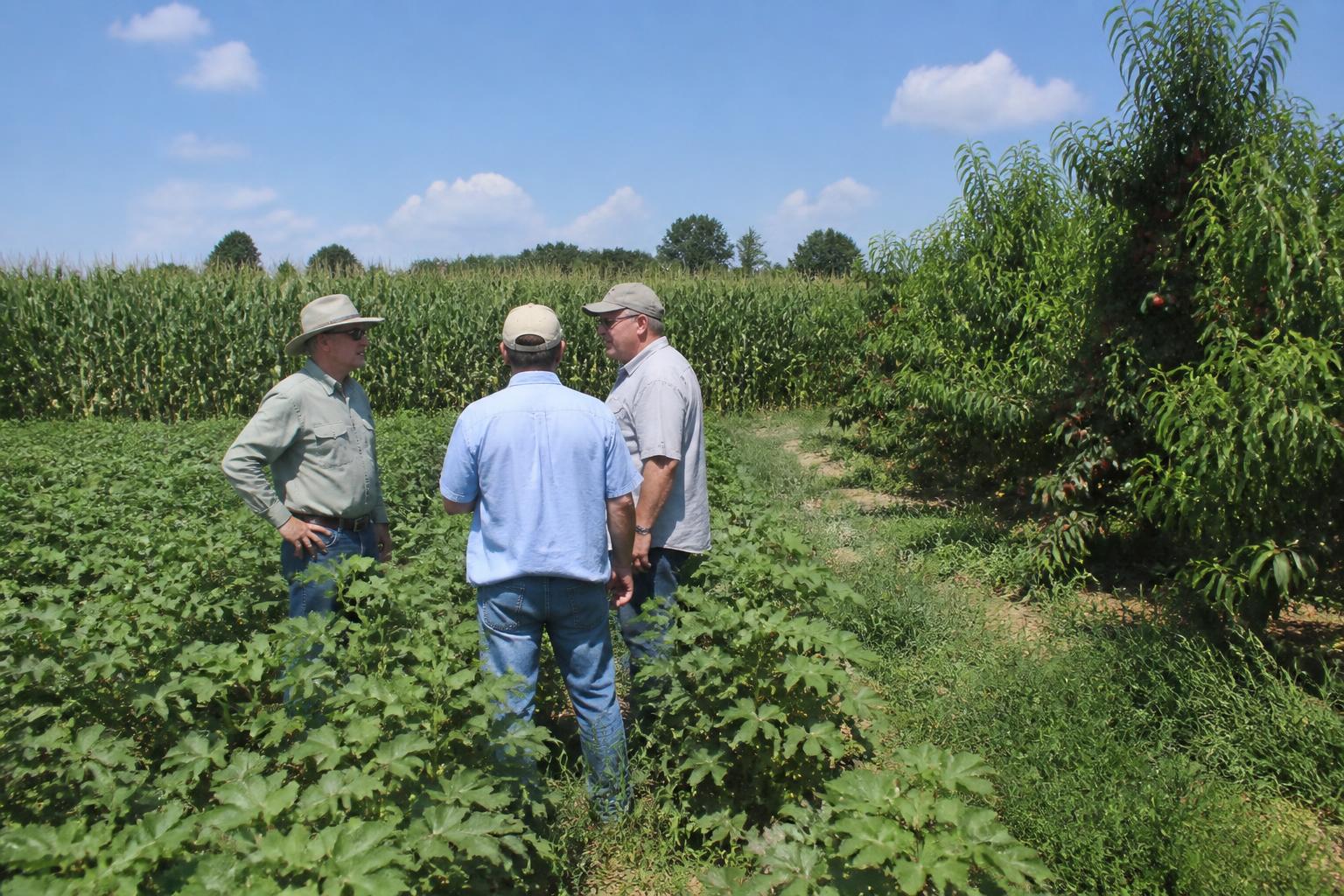
Virginia's agricultural sector is witnessing a period of strategic development, marked by both infrastructure investments and recognition of the Commonwealth's high-achieving producers. As mid-summer operations move into their intensive phases, the focus for many agribusinesses and farmers remains on balancing production demands with the logistical realities of the state's diverse geography.
Recent developments in Henry County, where significant retail and service infrastructure investments are underway, highlight the ongoing effort to better support local farming communities. Such enhancements can provide farmers with more immediate access to necessary inputs and machinery, potentially streamlining procurement timelines during critical windows of the season. Modernizing the operational landscape remains a top priority for those looking to improve efficiency across Piedmont and coastal regions alike.
Operational Insights for Virginia Growers
The success of top-tier producers in the state continues to underscore the value of adopting advanced crop management techniques. Whether it involves fine-tuning nutrient management or integrating research-backed cover crop strategies, Virginia growers are increasingly focused on yield optimization. For those interested in deeper strategies to manage input overhead while maintaining output, optimizing fertilizer strategies remains a practical path to sustaining margins in a fluctuating market.
Beyond the field, the utility of secondary crops, such as barley, is also receiving attention as a viable component for livestock feeding programs. Diversification, coupled with robust infrastructure, creates a more resilient framework for agribusinesses operating across the Commonwealth.
What it means for the market
For grain handlers, carriers, and local agribusinesses, the current trend suggests a shift toward more localized support and efficiency-based management. Increased investment in physical assets and equipment hubs in regions like Henry County points to a concerted effort to shorten supply chains. As we progress through the summer months, producers who align their input purchasing and logistical planning with these emerging local resources may find themselves better positioned to weather seasonal volatility and capitalize on infrastructure growth.
Comments
No comments yet - be the first to share your take.