
Mid-summer in Louisiana brings a unique set of management challenges for producers, from the wetlands of the coast to the inland grain fields. While current efforts focus on maximizing yields, farmers are simultaneously monitoring long-term pressures that could affect both inputs and profitability.
For those managing sugarcane production, the encroachment of the Roseau cane mealybug continues to draw attention, as this invasive pest can threaten the health and vitality of coastal marshes. Effective oversight in these sensitive environments often requires a delicate balance between active crop protection and summer production strategies, as local producers work to prevent further habitat loss.
Legislative Uncertainty and Input Costs
Beyond the field, the national legislative landscape remains a key point of discussion. Louisiana sugarcane farmers, along with many other producers, are closely watching the progress of the Farm Bill, as the current federal stalemate creates uncertainty regarding future safety nets and support programs. This policy environment comes at a time when producers are also navigating the ongoing debate surrounding chemical imports and the availability of essential crop protection tools.
Integrated Management Approaches
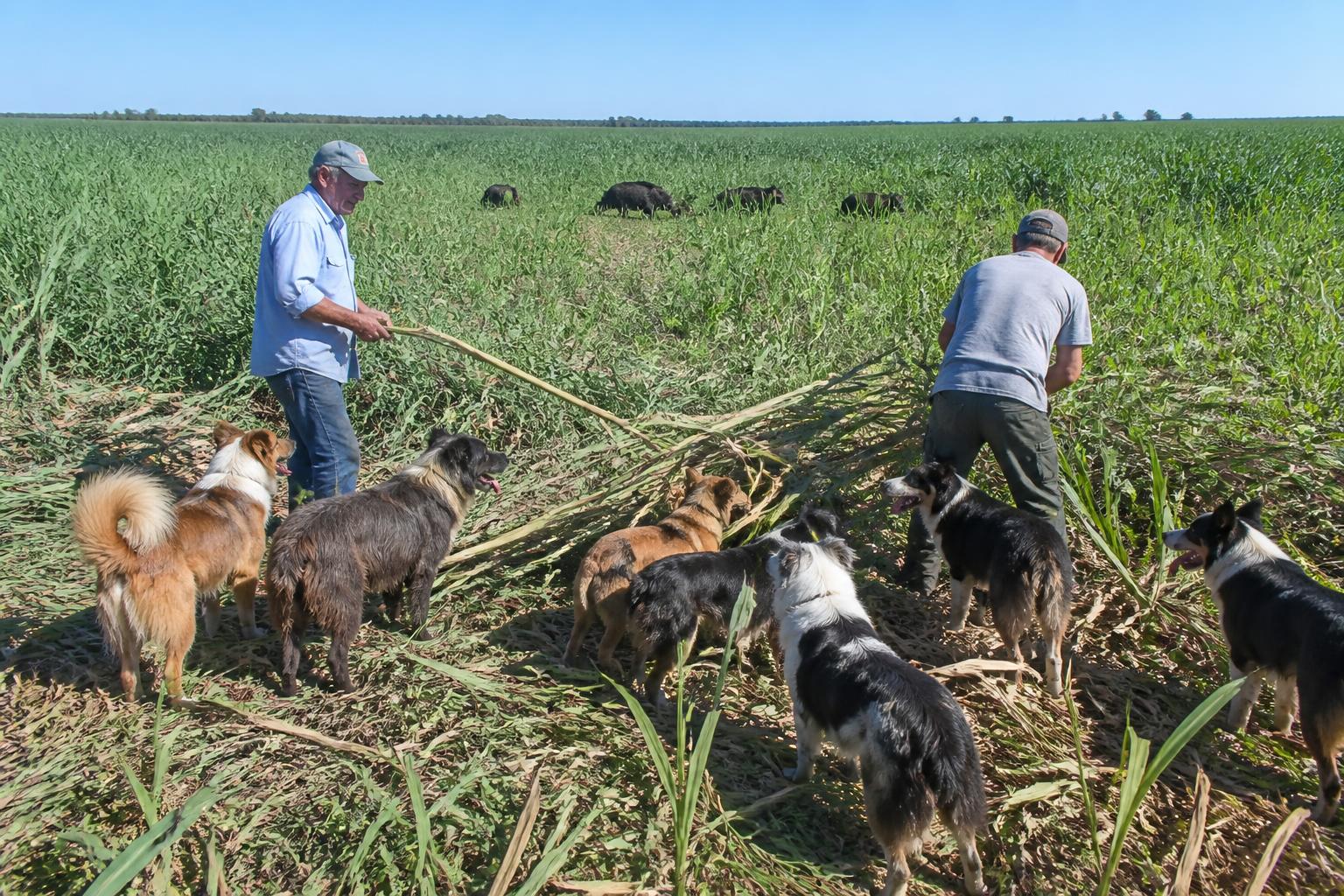
For grain growers in the state, the focus remains on operational efficiency and risk management. As many look toward harvest, there is increased attention on balancing traditional input efficacy with evolving environmental standards. Farmers often emphasize the need for robust integrated pest management (IPM) systems, which can involve everything from monitoring invasive wildlife populations like wild hogs—known to damage acreage across the state—to selecting resilient crop varieties that withstand regional stressors.
Key Takeaways for Producers
- Coastal Vigilance: Continued monitoring of mealybug activity is essential for those operating near marshlands to mitigate further crop and environmental damage.
- Policy Watch: Producers should stay informed on Farm Bill updates as they impact long-term planning and cost-sharing availability.
- Risk Mitigation: Incorporating diverse strategies, from physical deterrents to updated chemical application plans, remains vital for protecting seasonal margins.
What it means for the market is a sustained emphasis on precision. As producers evaluate their pathogen pressure amid seasonal moisture challenges, the ability to adapt to shifting legislative conditions and evolving pest threats will likely remain the defining factor for profitability in the upcoming season.
Comments
No comments yet - be the first to share your take.