
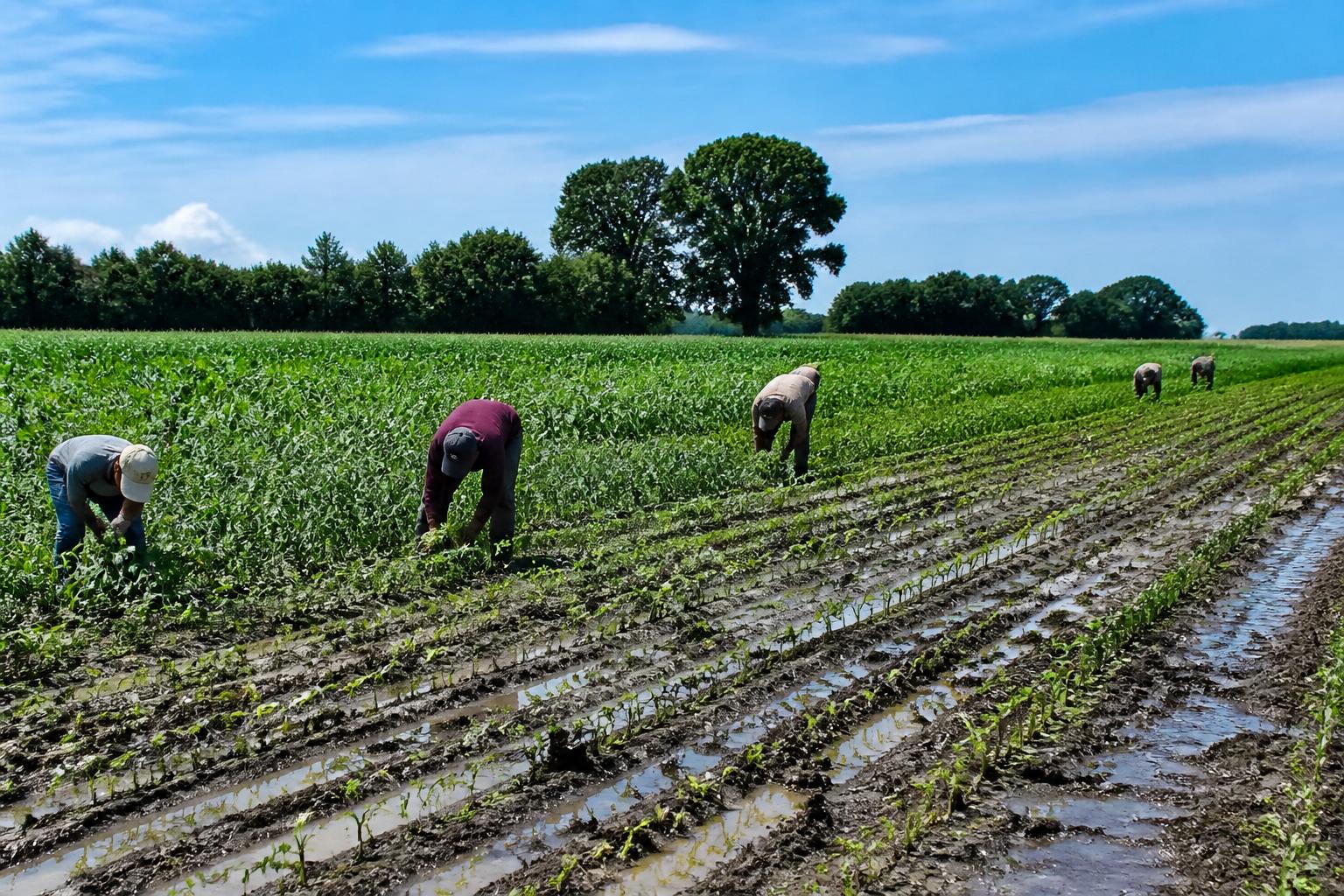
As the mid-summer season progresses across Arkansas, producers are closely monitoring fields for the impacts of earlier weather events. With significant rainfall having left some acreage underwater, soil conditions remain a primary concern for those managing late-season development. While the challenges are persistent, the resilience of regional crops continues to be a focal point for growers looking to maximize output despite early-season setbacks.
For those managing rice and other key commodities, the logistical and input-related pressures remain a part of the daily workflow. Producers often find that maintaining optimal nutrient levels is essential during this stage, as recent research has highlighted the critical role of soil health, particularly concerning potassium availability, in supporting stable yields. Staying ahead of these biological and environmental stressors is vital for minimizing potential losses as we head deeper into the summer months.
Logistics and Resource Management
Beyond the field, managing the flow of inputs and protecting against supply chain bottlenecks is essential for maintaining operational efficiency. Whether it involves securing necessary chemical products or managing the movement of grain stocks, the ability to pivot is a key competitive advantage. For those looking to optimize their logistics during critical crop development, keeping a close eye on transport capacity and input availability remains a priority. In many regions, working closely with local elevators and transport partners can help smooth out the disruptions often seen during the peak of the growing season.
Addressing Emerging Field Threats
Integrated pest management remains a necessary layer of protection for Arkansas producers. As we move through July, monitoring for localized threats—such as the recent emergence of destructive pests in certain counties—is paramount to preserving crop quality. Timely scouting and reactive measures are often the difference between a controlled situation and a significant reduction in harvestable yield.
What it means for the market: For Arkansas agribusinesses and producers, the current environment demands a high degree of adaptability. As fields recover and development continues, the market will likely place a premium on grain quality and reliable supply chain execution. Maintaining clear communication with downstream handlers and prioritizing field-level protection will be the most effective strategies for navigating the remainder of the summer.
Comments
No comments yet - be the first to share your take.