
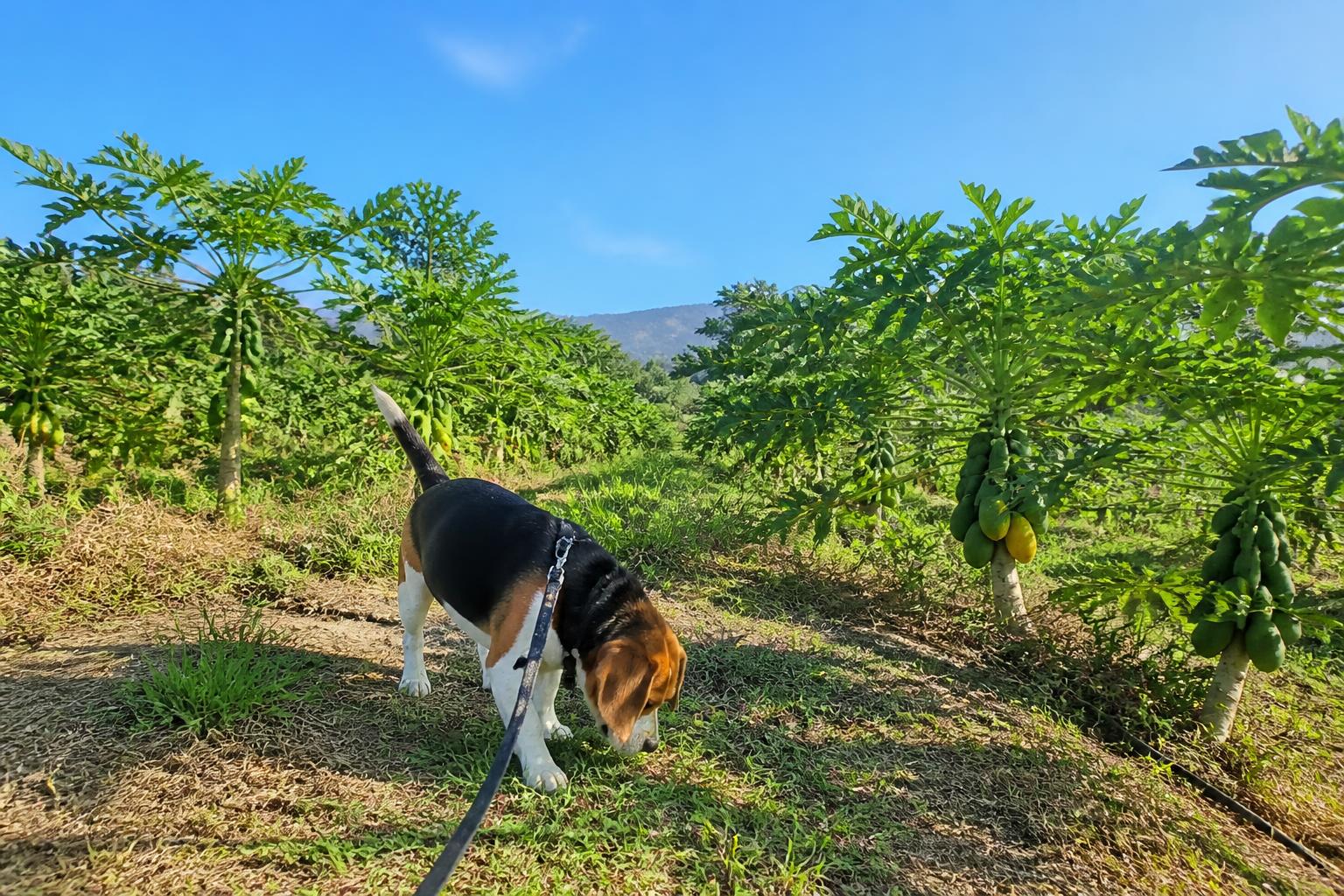
In the height of the summer growing season, Hawaii's agricultural landscape remains defined by its unique geographical isolation and the ongoing battle against invasive species. Protecting local crops from external threats is a full-time priority, with state-level biosecurity measures, such as the Beagle Brigade at regional airports, serving as a frontline defense against pests that threaten the viability of local operations.
For growers across the islands, from the fields of the Big Island to the diversified farms on Oahu, these programs provide a necessary shield. Consistent monitoring helps ensure that the delicate balance of Hawaii's ecosystem—and the health of its native fauna like the 'I'iwi—remains intact, while also preventing the influx of new agricultural diseases that could devastate regional production.
The Role of Innovation in Crop Protection
Beyond border control, the conversation around biosecurity and innovation continues to evolve. Farmers are increasingly weighing the benefits of biotechnological advancements, such as disease-resistant papayas, as a practical solution to persistent crop threats. This technology often serves as a primary tool for survival in a market where traditional pesticides may face limited effectiveness or strict regulatory hurdles.
However, the sector is also experiencing a period of corporate transition. Major stakeholders, including those in seed research and development, have adjusted their local footprints in favor of new automated agricultural technologies. This shift often signals a broader trend in how the state integrates changing regulations and crop protection strategies with modern, tech-driven field management.
What it means for the market
For local producers and agribusinesses, the takeaway is clear: success in Hawaii's unique market requires a dual focus on rigorous preventative biosecurity and the adoption of resilient crop technologies. As the industry faces shifting priorities from major agricultural firms, the ability to adapt to new diagnostic tools and protective measures will be essential for maintaining stability and ensuring long-term profitability in the Pacific region.
Comments
No comments yet - be the first to share your take.