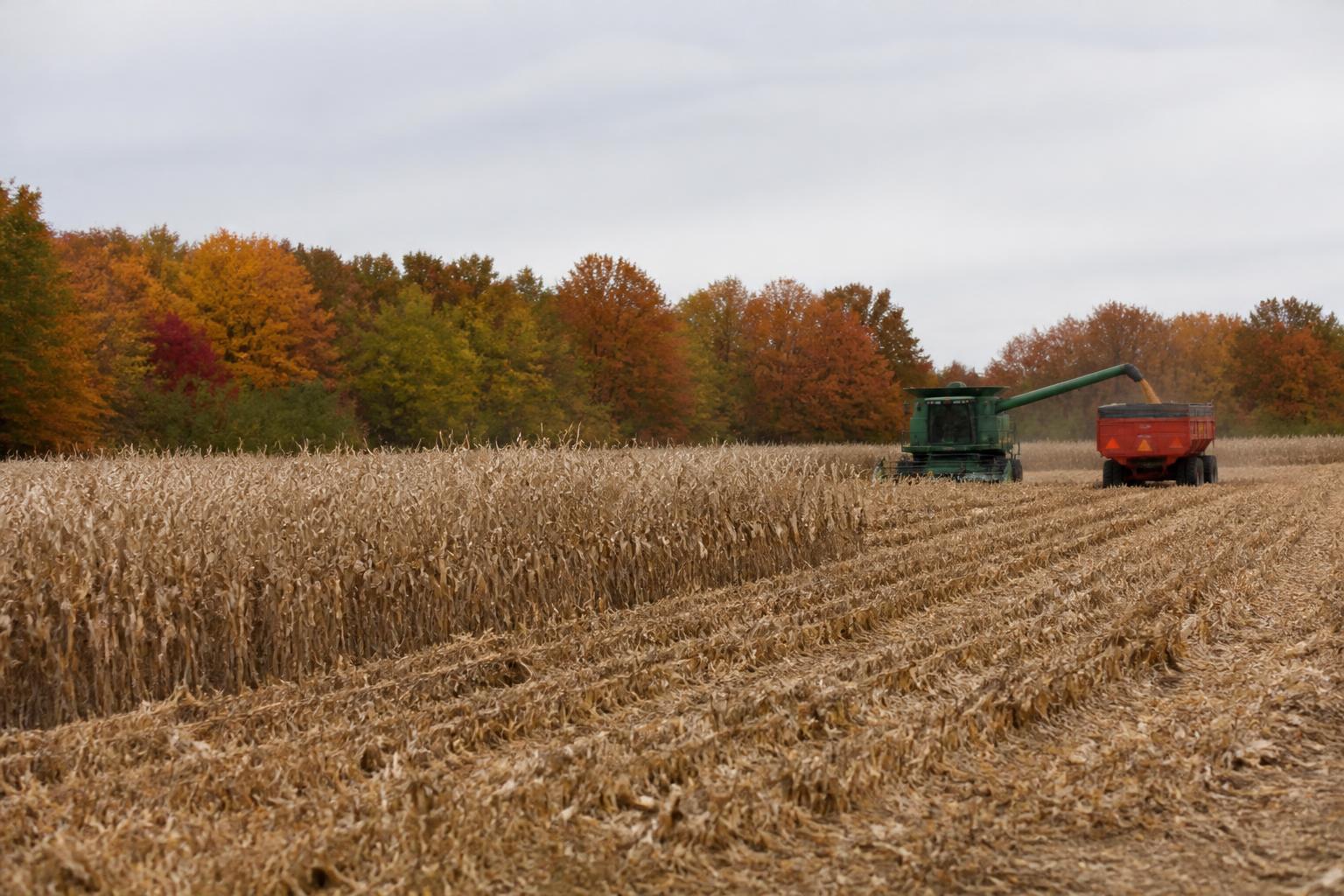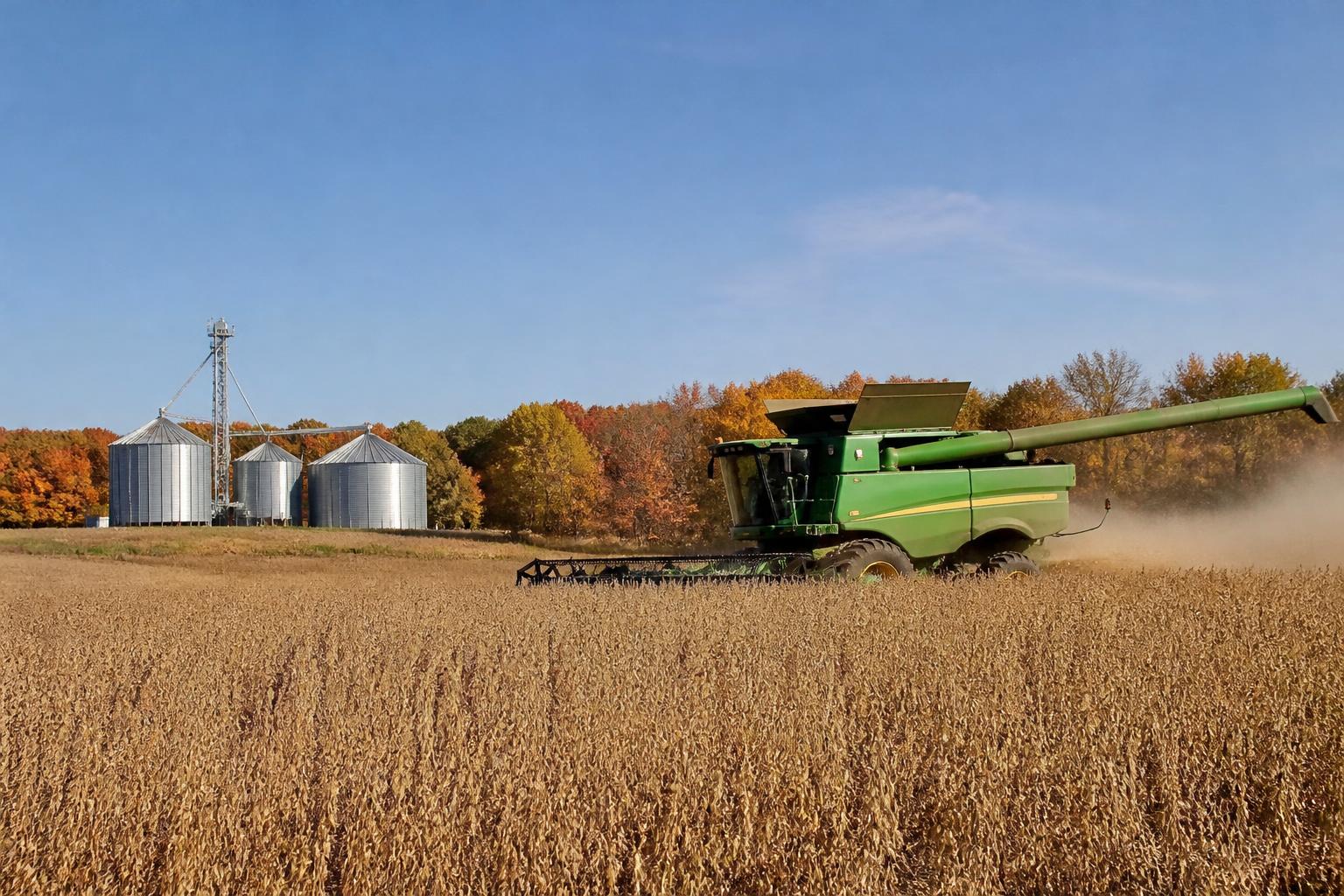
Delaware Grain Market Update: Navigating Global Volatility and Local Logistics
As Delaware farmers manage summer field activities, shifting global trade patterns and regional logistics challenges remain top of mind for grain marketing and safety.
We collect original digests and analytical notes based on facts, market signals and verified sources.
As Ohio growers move through the summer season, regional logistics are adapting to new distribution hubs and shifting market demands, even as weather patterns remain unpredictable.
As Delaware farmers manage summer field activities, shifting global trade patterns and regional logistics challenges remain top of mind for grain marketing and safety.
Maine producers are balancing seasonal field demands with shifting consumer preferences for local grain, while operational efficiency remains key to long-term profitability.
Oklahoma grain elevator operators are grappling with wheat shortages and evolving risk management needs as global market pressures weigh on local producers.
As Texas grain producers navigate mid-summer heat and lingering logistics concerns, focus shifts toward long-term trade agreements and the economic impact of corn price fluctuations.
Heightened surveillance and trade disruptions following reports of New World screwworm in the region are complicating livestock movement and logistics for New Mexico producers.
Recent shifts in national production estimates are impacting grain markets, prompting Nevada producers to monitor local conditions and supply chain adjustments.
As California's summer harvest progresses, growers and shippers face evolving logistical hurdles, from regional grain movement to persistent infrastructure maintenance requirements.
Florida producers are navigating ongoing fertilizer supply disruptions and market volatility following recent storm-related production challenges.
As the summer season progresses, South Carolina agribusinesses are evaluating changing freight dynamics and supply chain shifts that may impact local commodity movement.
Arizona agricultural producers are managing shifts in land use and new pest control tools as regional production dynamics evolve this summer.
As Wisconsin producers evaluate shifting supply chains, adapting distribution models to meet evolving consumer demand for farm-direct goods is becoming a critical operational focus.
Rhode Island agricultural producers and haulers face shifting seasonal demands as summer operations peak across the state's transport corridors.
Sign in to manage requests, save contacts and respond to market offers quickly.
Continue with Google Continue with MicrosoftSign in to manage requests, save contacts and respond to market offers quickly.
Continue with Google Continue with MicrosoftEnter your email and we will send a password reset link.
Don't have an account?
We value your privacy
We use cookies to run the site and, with your consent, to measure traffic (Google Analytics) and personalize ads. You can accept, reject, or choose. Privacy Policy