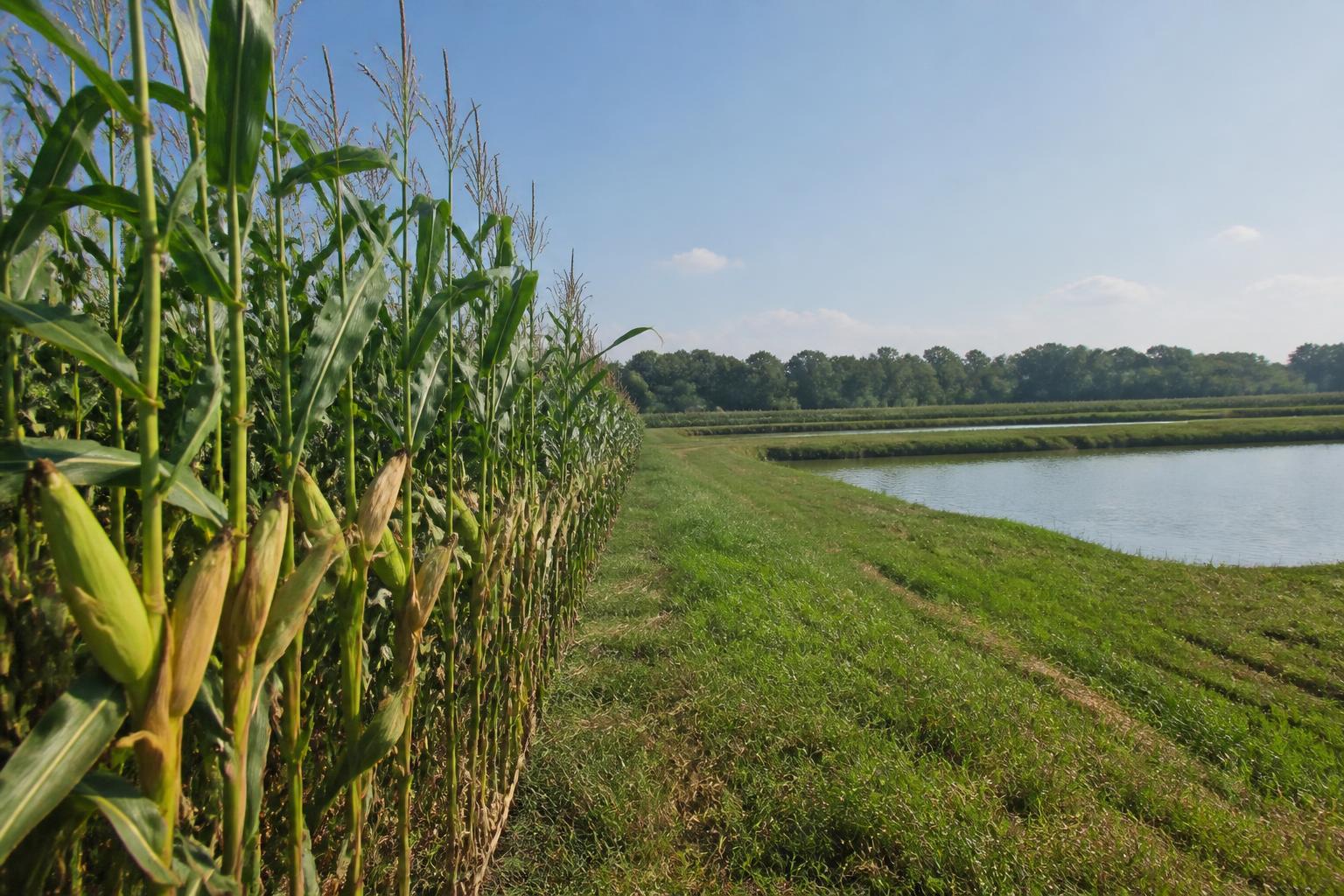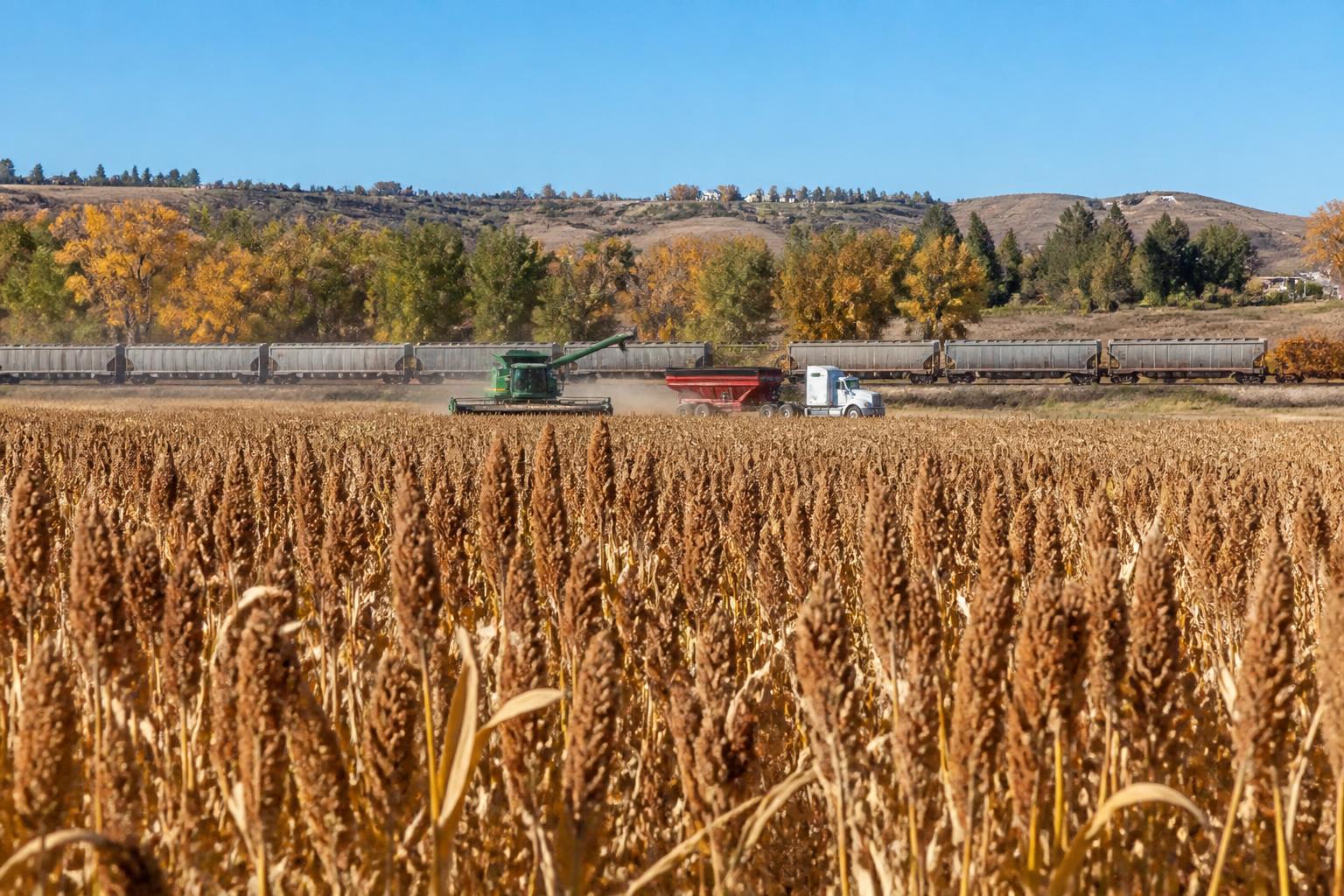
Tennessee Crop Markets: Assessing Yield Potential and Logistics as Harvest Nears
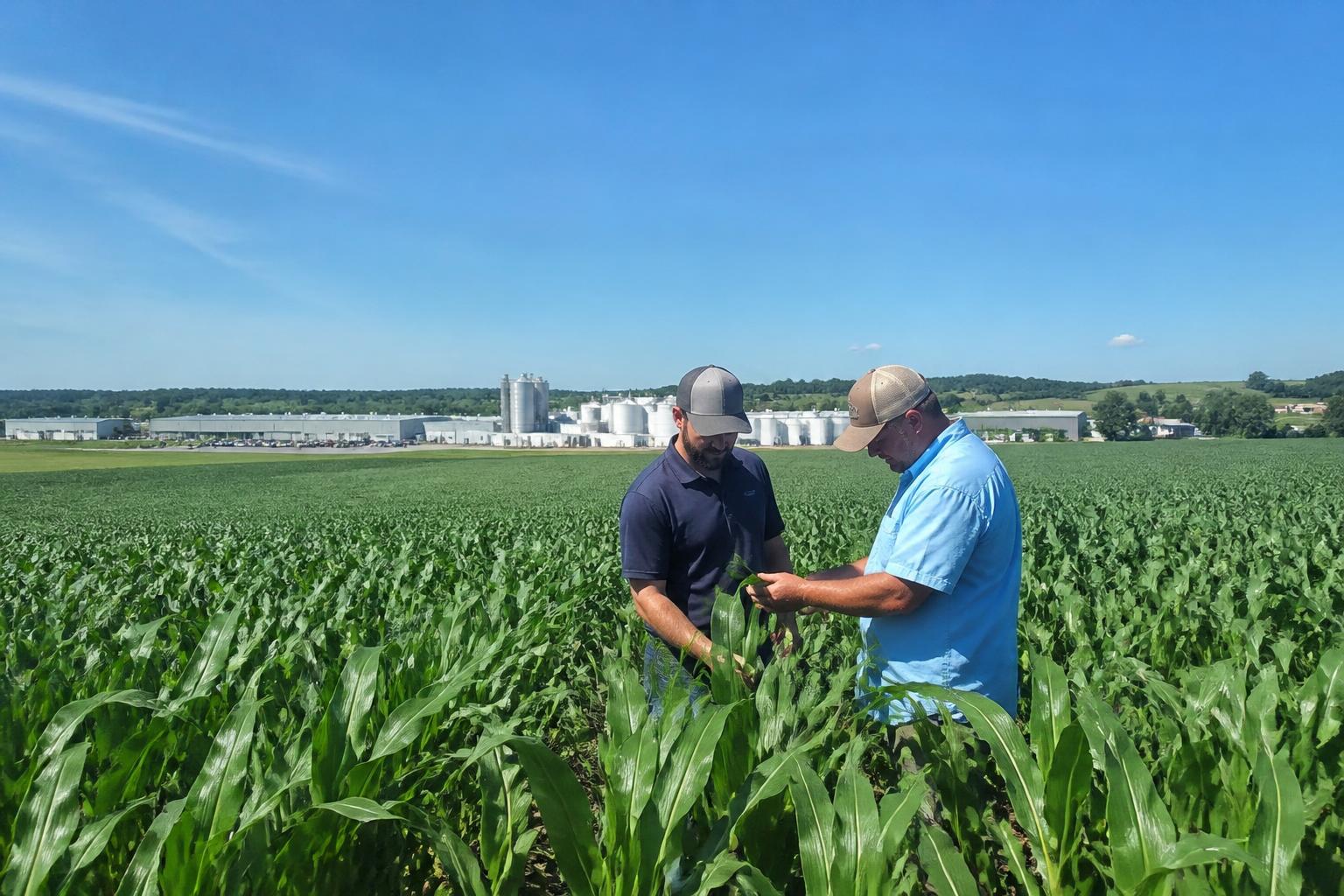
As Tennessee growers prepare for the fall harvest, market focus turns to final yield potential and the logistics of navigating grain storage and input cost volatility.
We collect original digests and analytical notes based on facts, market signals and verified sources.
As harvest concludes, Idaho producers face evolving rail and transport cost dynamics impacting grain movement to domestic and export markets.
As Tennessee growers prepare for the fall harvest, market focus turns to final yield potential and the logistics of navigating grain storage and input cost volatility.
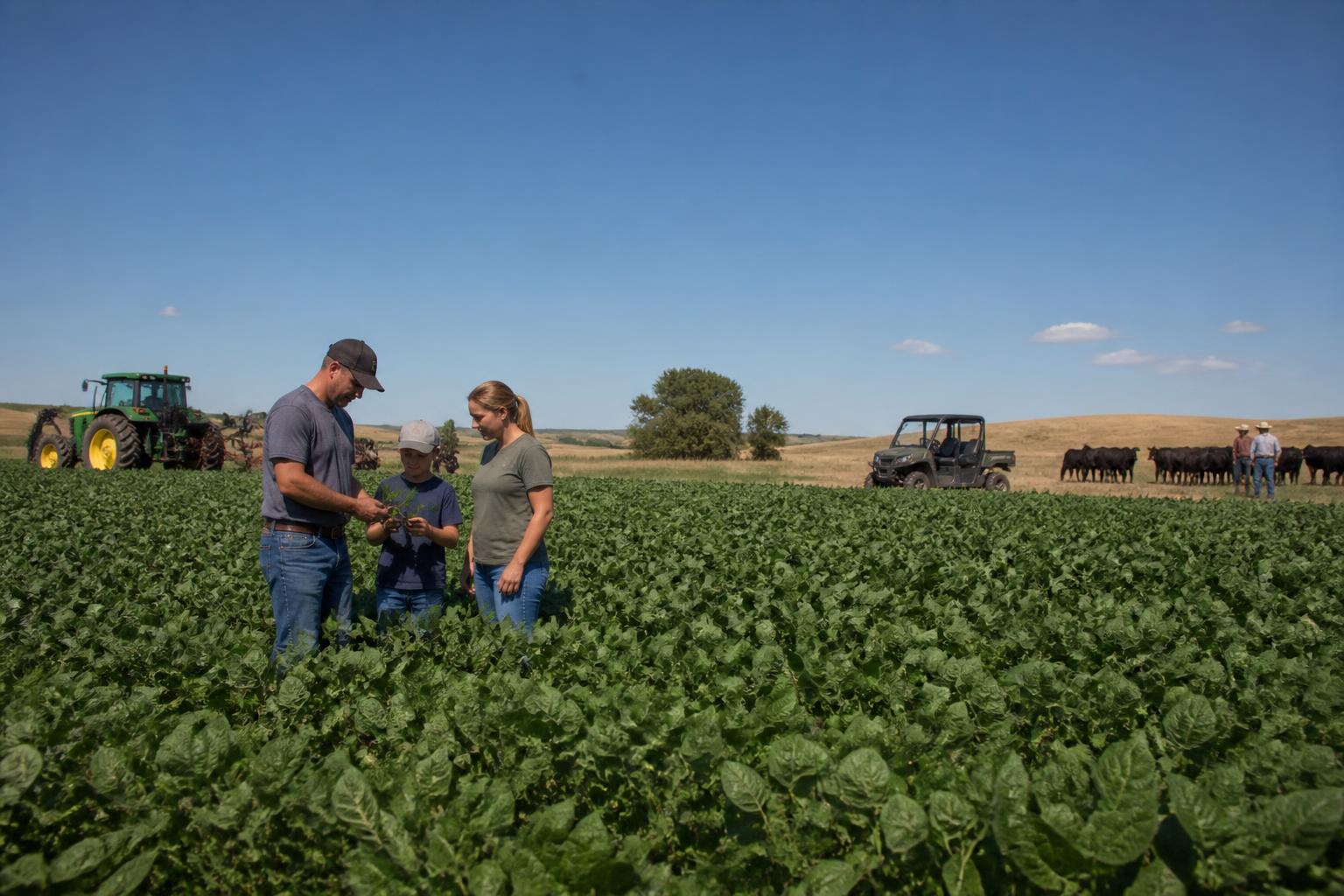
Arizona producers are navigating a complex environment of shifting water policies, trade uncertainty, and rising input costs as the summer harvest season progresses.
As Illinois growers prepare for late-summer operations, logistics remain a focal point for the supply chain, with farm-to-market efficiency taking center stage.
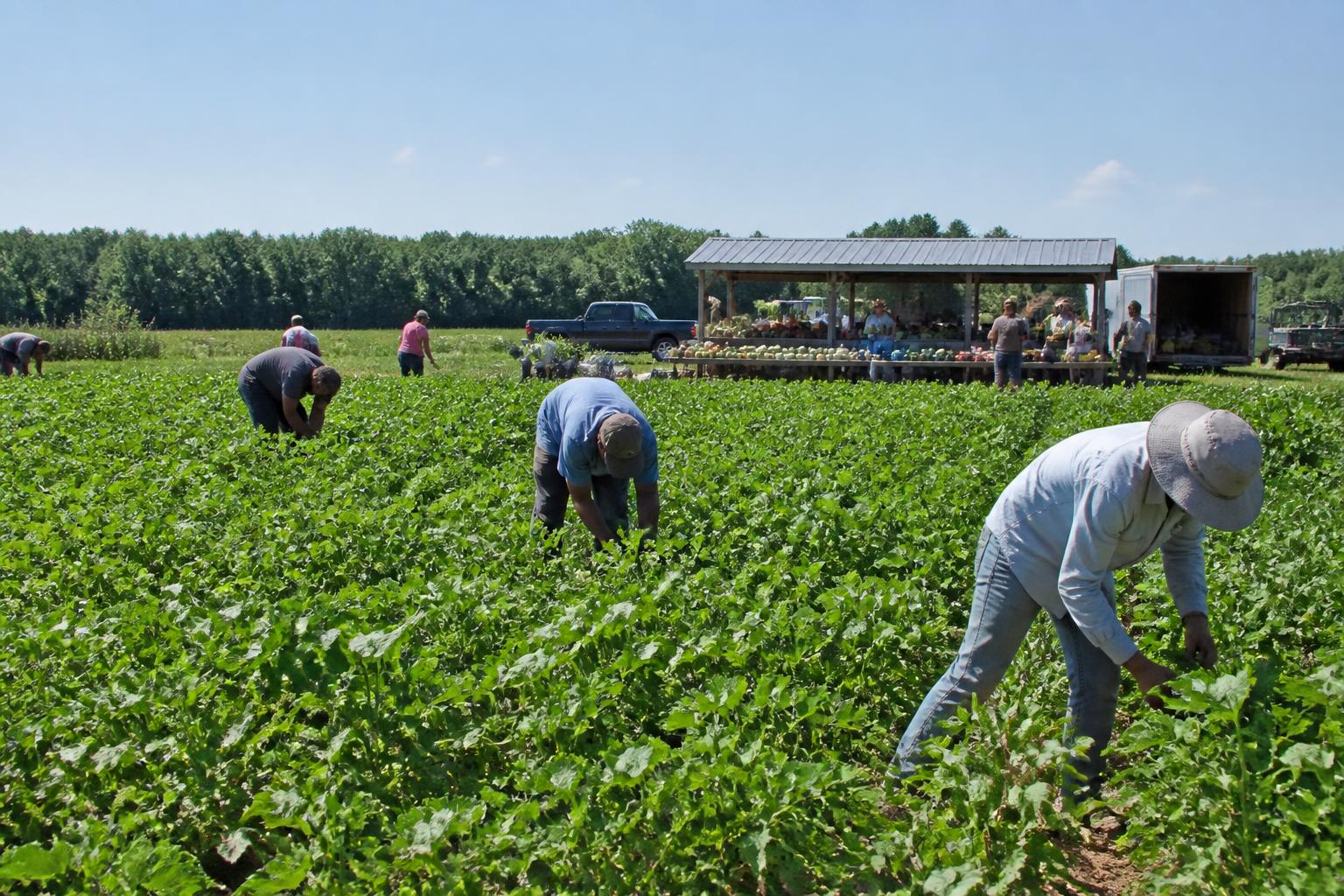
Vermont producers are navigating shifts in market access and logistics, with new funding and infrastructure initiatives aimed at connecting smaller farms to broader distribution channels.
As Mississippi enters the late summer stretch, local producers are balancing favorable moisture conditions with the persistent challenges of logistics and market volatility.
As South Dakota moves through late summer, local transport infrastructure remains a focal point for grain handlers managing varying moisture conditions and seasonal throughput needs.
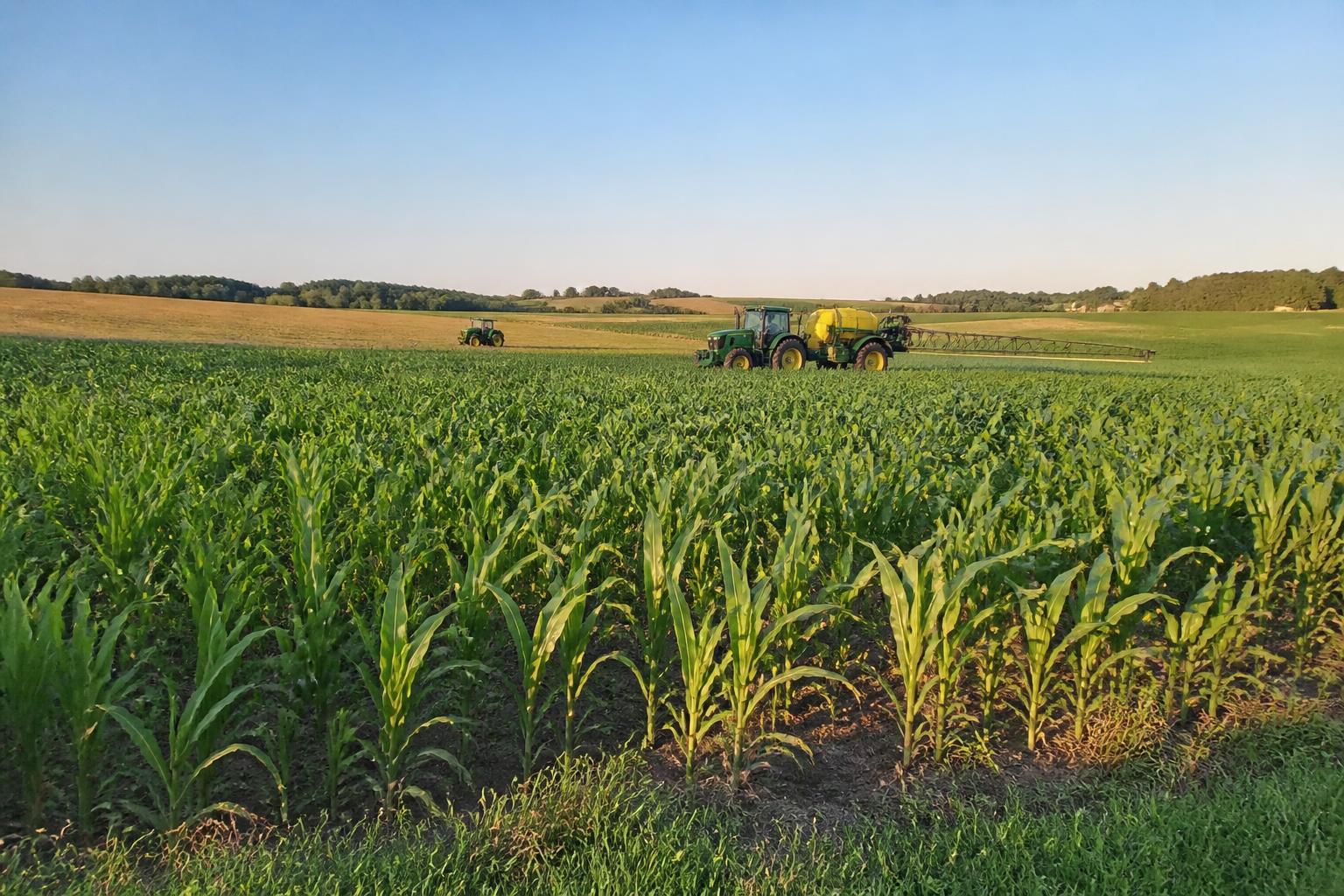
As summer operations peak in Nebraska, producers are grappling with rising equipment maintenance costs and the critical need for efficient logistics to keep harvest supply lines moving.
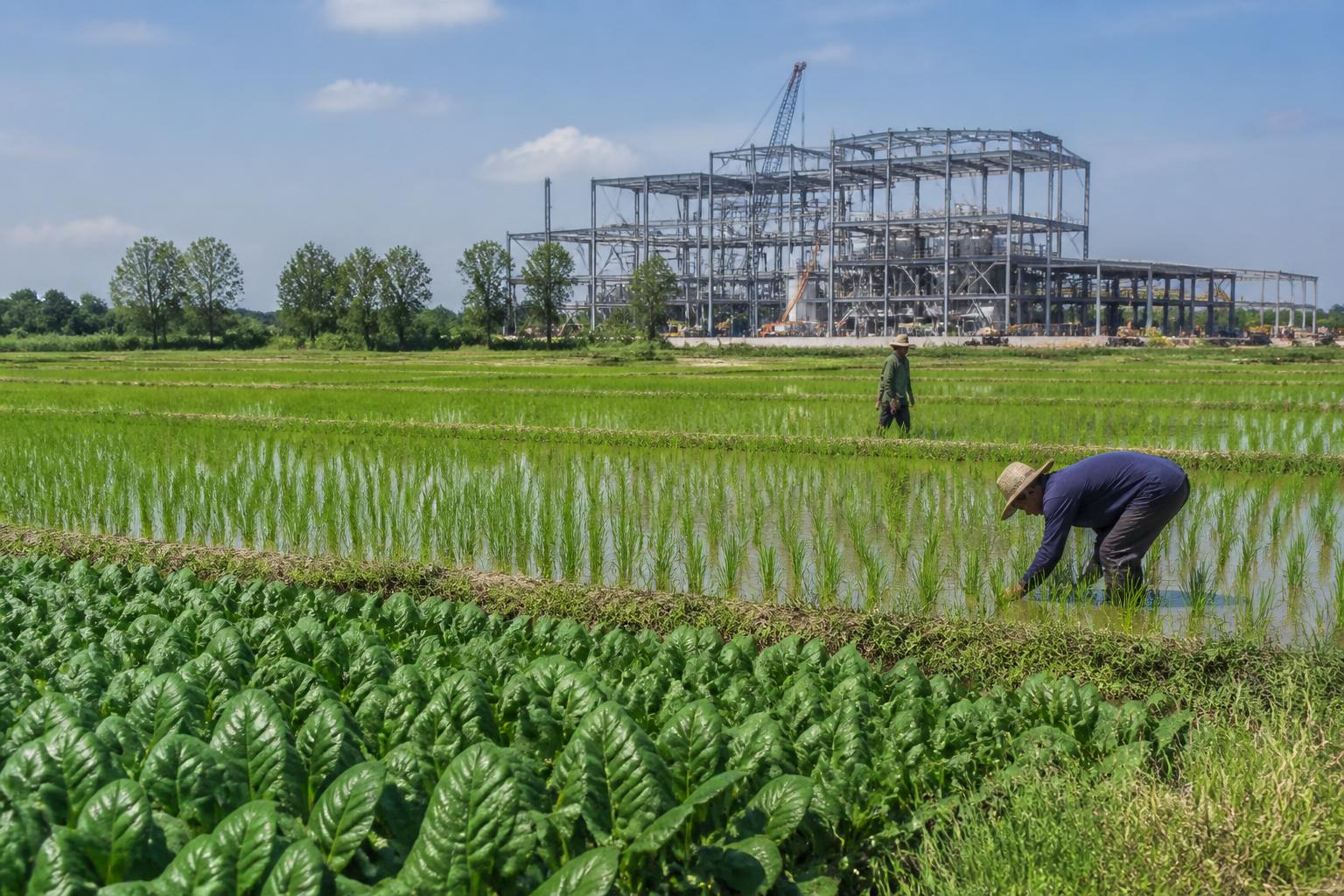
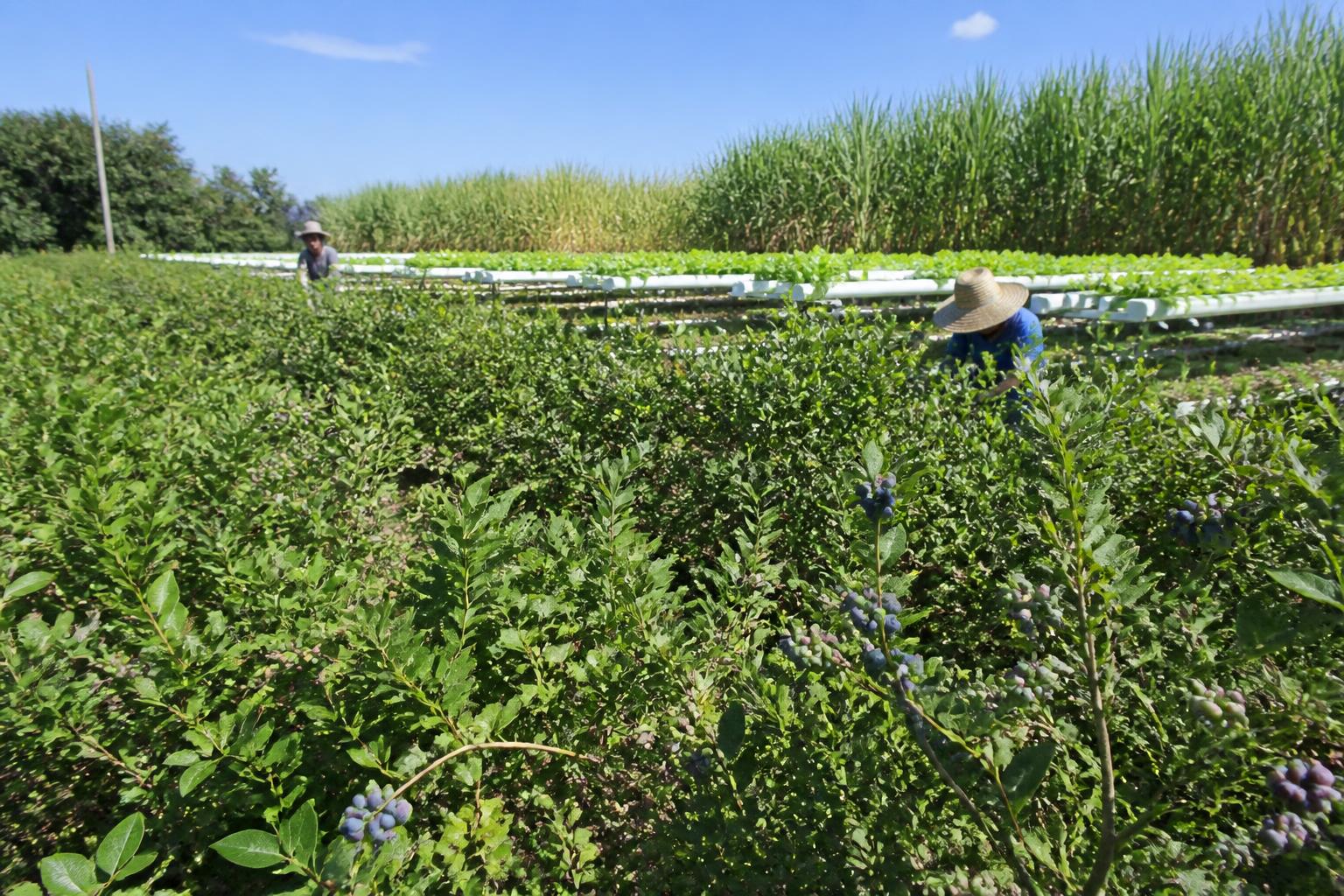
Arkansas producers are navigating a period of heightened financial stress driven by tight margins and rising input costs, even as the state continues to invest in regional food processing infrastructure.
Missouri agricultural stakeholders are monitoring an ongoing antitrust investigation into fertilizer pricing, adding another layer of complexity to seasonal farm input management.
As North Carolina farmers manage mid-summer field demands, rising costs for essential inputs like diesel and fertilizer continue to influence operational decision-making across the state.
As Florida growers navigate a challenging summer season, recent advancements in crop varieties and federal support for land and resource management are offering new pathways to long-term stability.
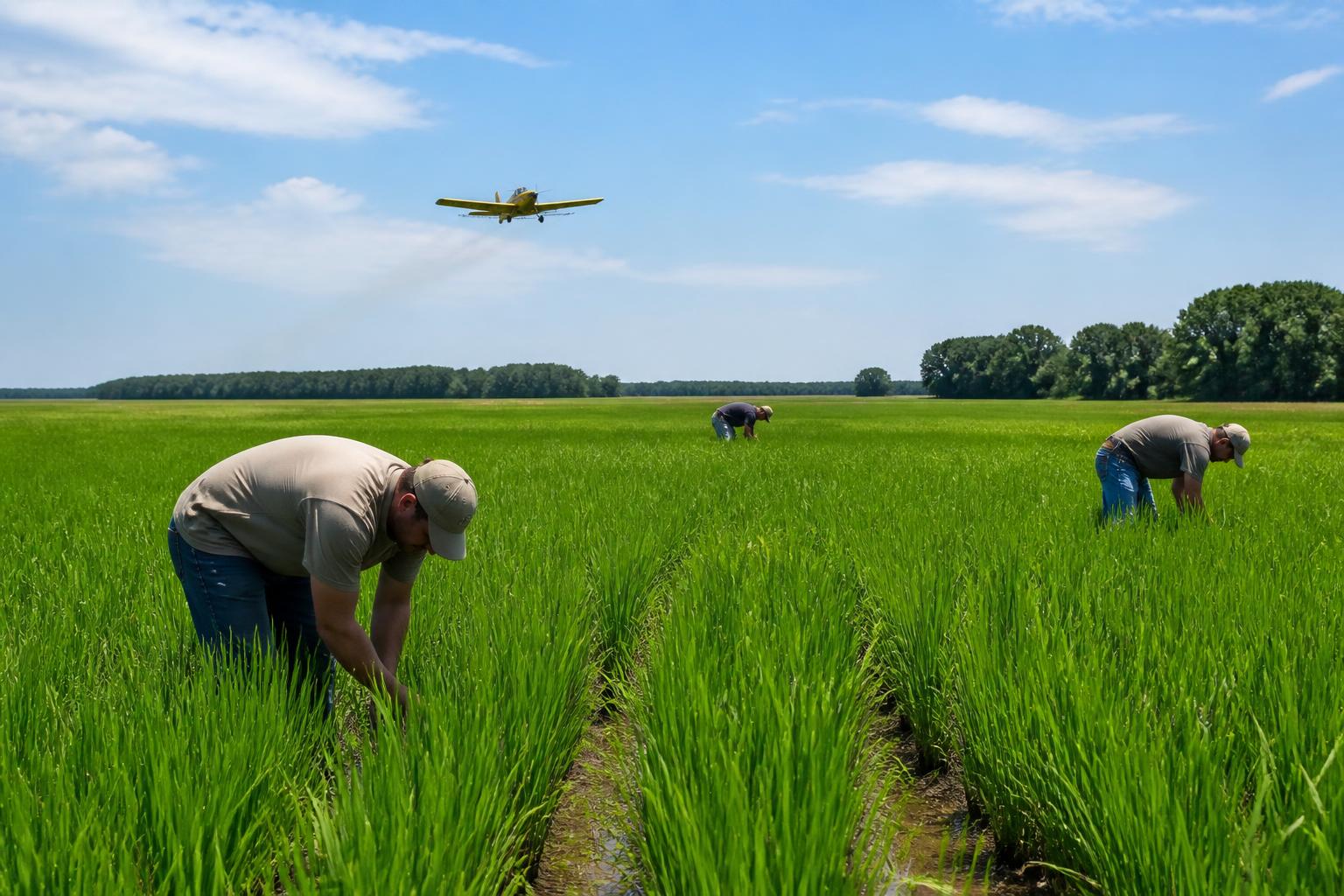
As Maryland farmers push through late summer, increased aerial activity for cover crop seeding and shifting harvest timelines demand heightened logistical awareness for local growers and haulers.
Sign in to manage requests, save contacts and respond to market offers quickly.
Continue with Google Continue with MicrosoftSign in to manage requests, save contacts and respond to market offers quickly.
Continue with Google Continue with MicrosoftEnter your email and we will send a password reset link.
Don't have an account?
We value your privacy
We use cookies to run the site and, with your consent, to measure traffic (Google Analytics) and personalize ads. You can accept, reject, or choose. Privacy Policy