
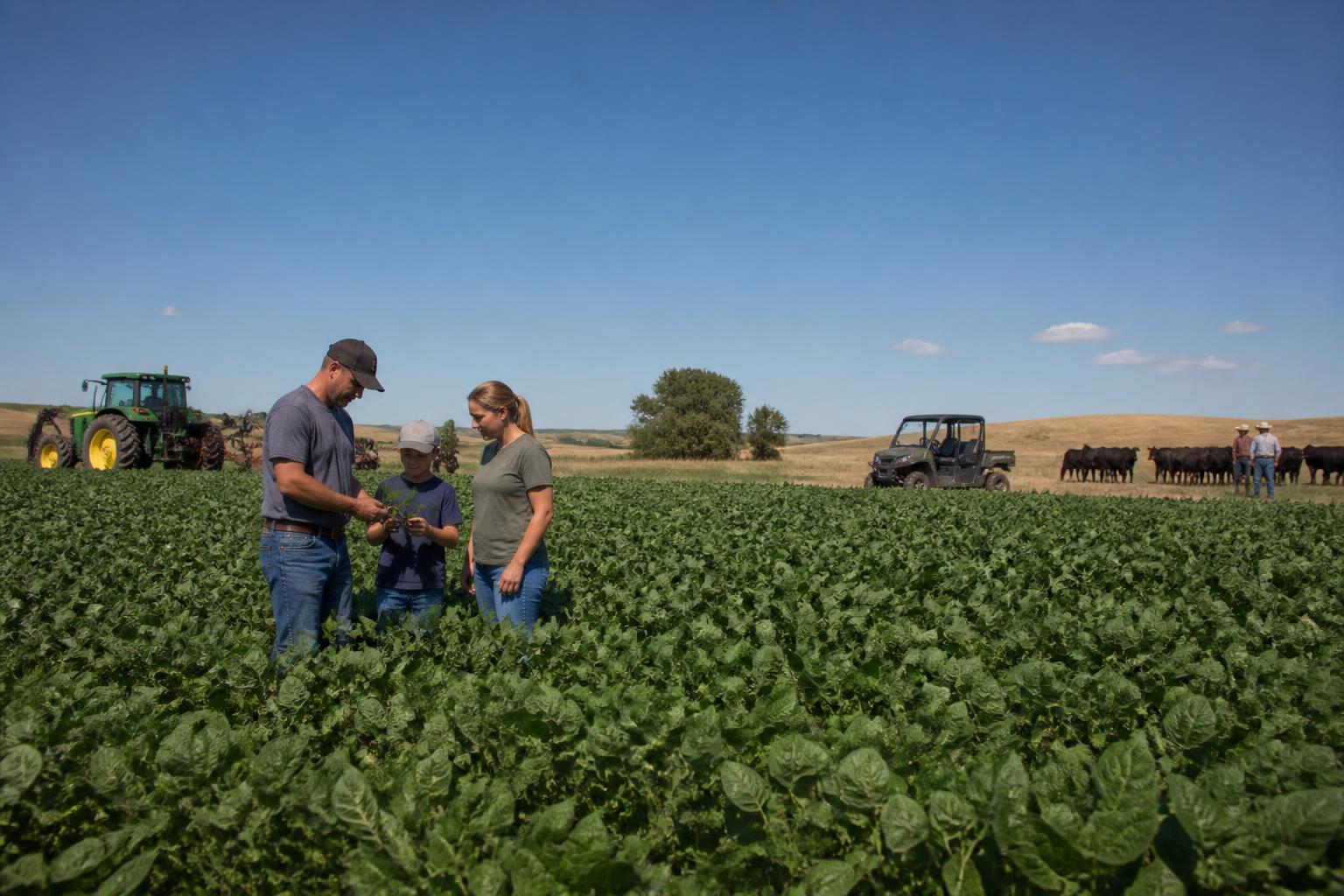
With the summer season reaching its zenith across Nebraska, farm operations are shifting focus toward logistical readiness and equipment maintenance. Producers continue to navigate a challenging economic environment where the cost of essential agricultural machinery parts has seen significant upward pressure, rising nearly 70 percent since 2020. This trend forces many agribusinesses and family farms to prioritize preventative maintenance and careful resource allocation to ensure equipment remains operational during critical field windows.
Effective harvest logistics remain a primary concern for those moving yield from field to elevator. Beyond machinery, the stability of supply chains continues to impact the sector, affecting everything from input availability to timely equipment repairs. As operations move through the summer months, managing these persistent bottlenecks is essential for maintaining productivity.
Prioritizing Reliability in the Field
For many Nebraska operations, the strategy involves a balance of legacy wisdom and modern technical integration. Whether managing crop protection programs or monitoring soil moisture levels against late-summer drought risks, consistent field management is the key to mitigating potential losses. Proper field management practices, including proactive scouting and timely application of inputs, help protect yield potential even when environmental variables are unpredictable.
Furthermore, secure transport is a non-negotiable aspect of regional agriculture, especially for those transporting hay and other forage across state corridors. Implementing a disciplined five-step safety protocol for securing heavy loads can prevent costly delays and ensure compliance with transport regulations, keeping Nebraska producers moving safely.
Looking Ahead
The convergence of market volatility and rising input costs means that operational efficiency is more valuable than ever. By focusing on equipment longevity and staying informed on regulatory standards, Nebraska agribusinesses can better position themselves to withstand seasonal pressures and market fluctuations.
What it means for the market: For farmers and handlers, the current environment underscores the importance of supply chain resilience. Planning for higher maintenance expenditures and prioritizing logistical planning now will likely mitigate downtime during the upcoming harvest surge.
Comments
No comments yet - be the first to share your take.