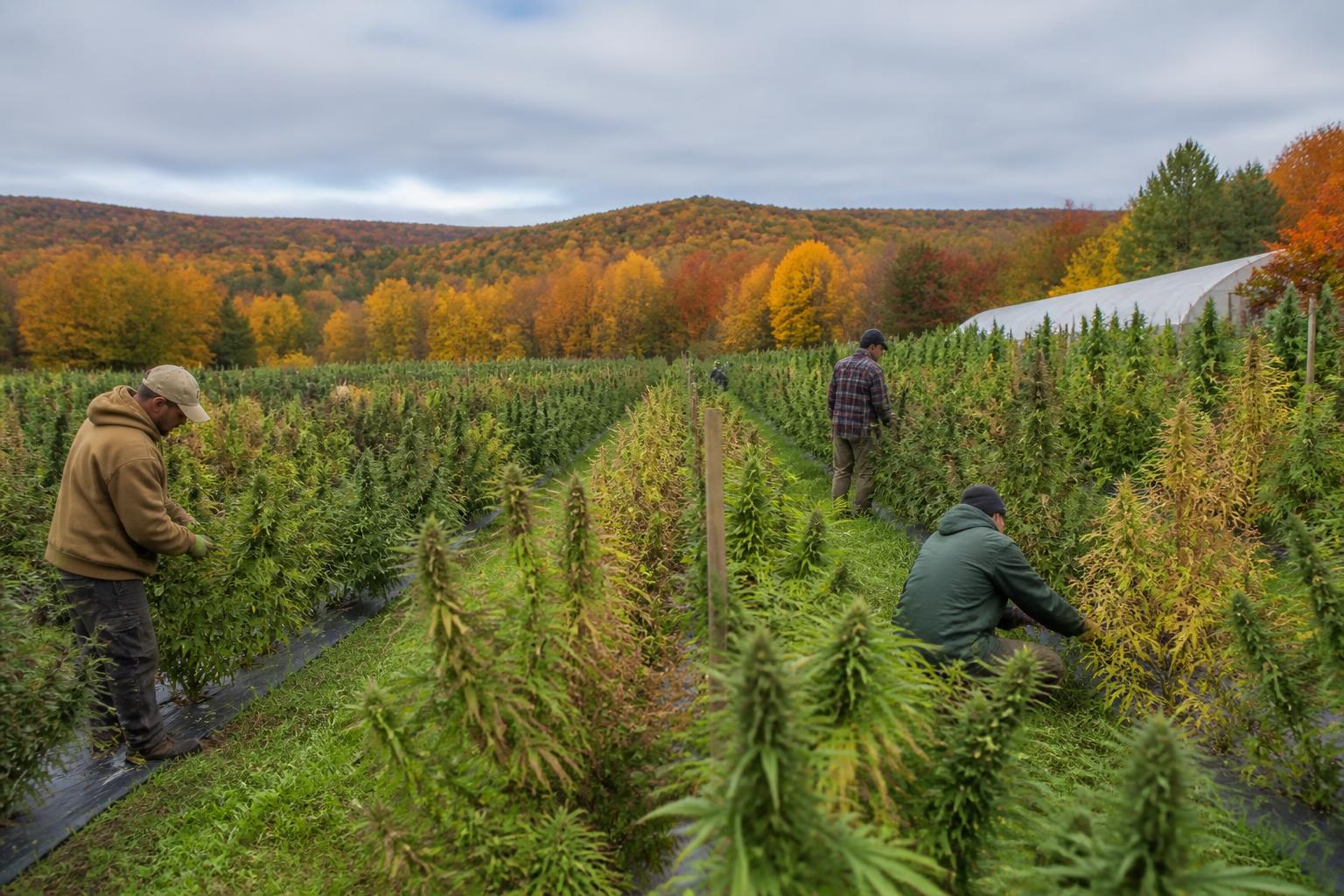
Delaware Summer Field Strategy: Balancing Input Pressures and Crop Security
As Delaware farmers manage mid-summer crop protection and navigate evolving input markets, local logistics and pest surveillance remain critical for seasonal success.
We collect original digests and analytical notes based on facts, market signals and verified sources.
As Ohio growers move through the summer season, regional logistics are adapting to new distribution hubs and shifting market demands, even as weather patterns remain unpredictable.
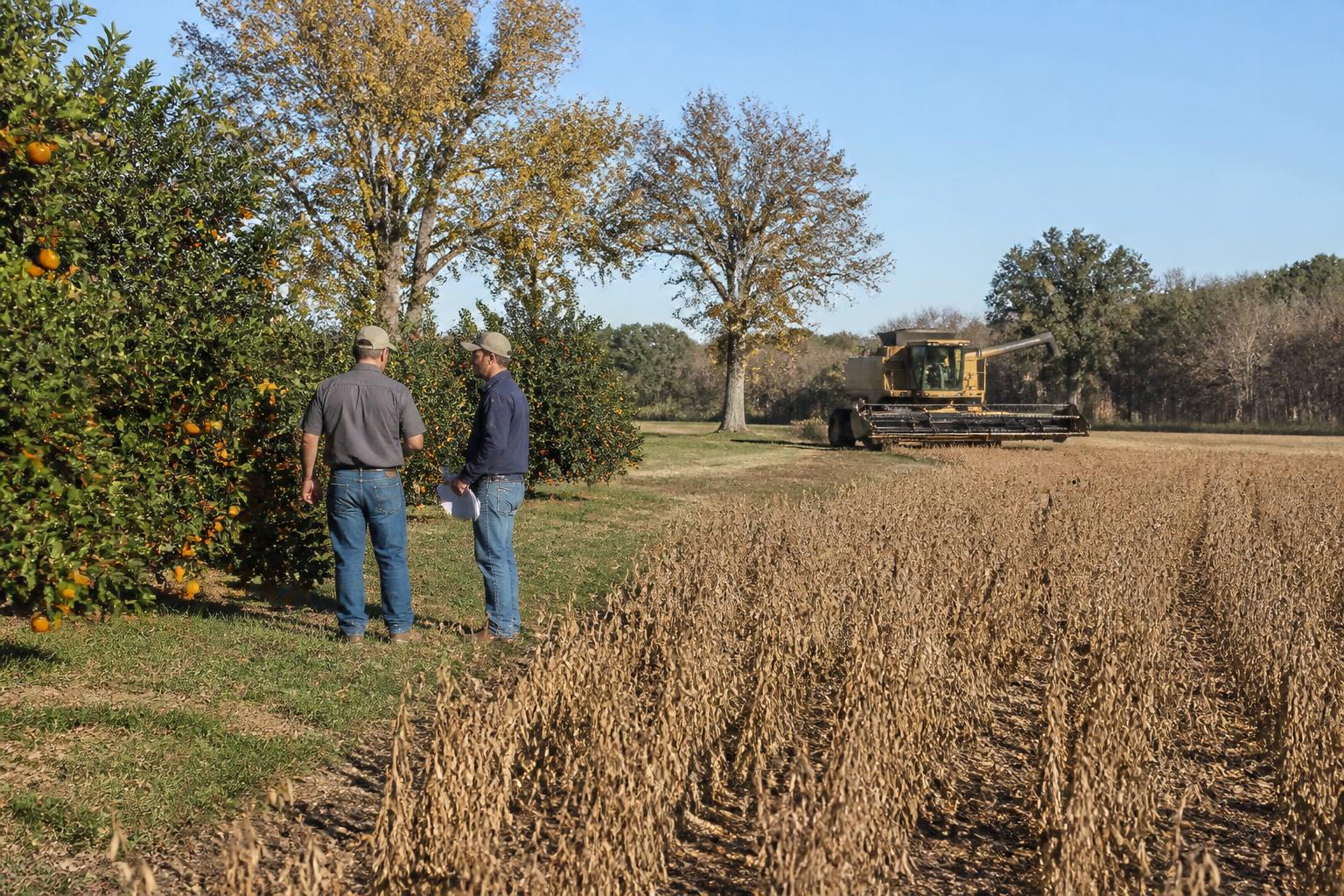
As Delaware farmers manage mid-summer crop protection and navigate evolving input markets, local logistics and pest surveillance remain critical for seasonal success.
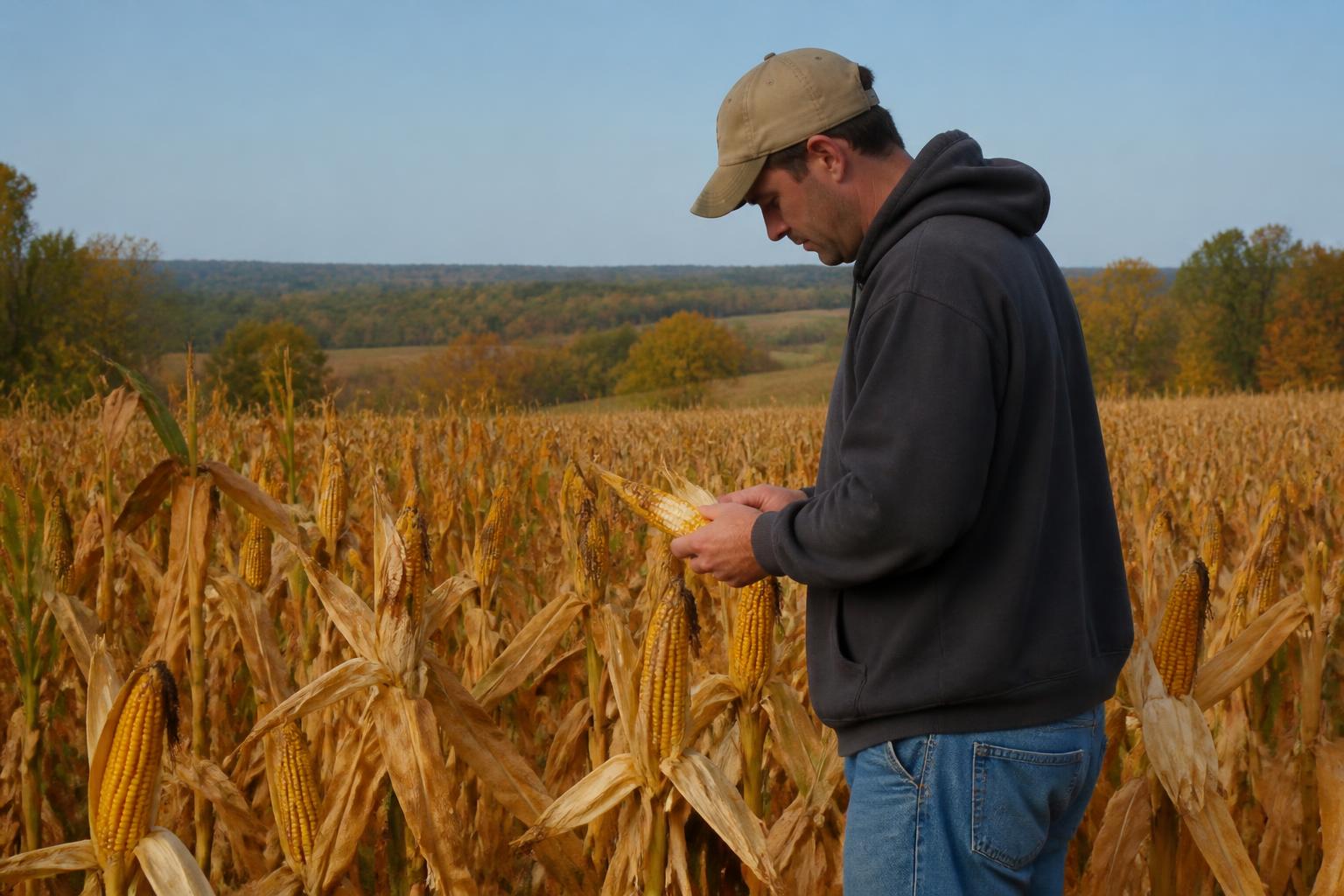
Wisconsin farmers navigate ongoing crop health concerns, including the early detection of tar spot, while managing rising production costs and navigating evolving export networks.
As Montana producers move through the mid-summer stretch, focus shifts toward managing variable input costs and adjusting to localized infrastructure changes that impact regional grain movement.
Hawaii producers face ongoing logistics challenges following recent climate events, highlighting the critical importance of reliable inter-island and mainland supply chains for local food stability.
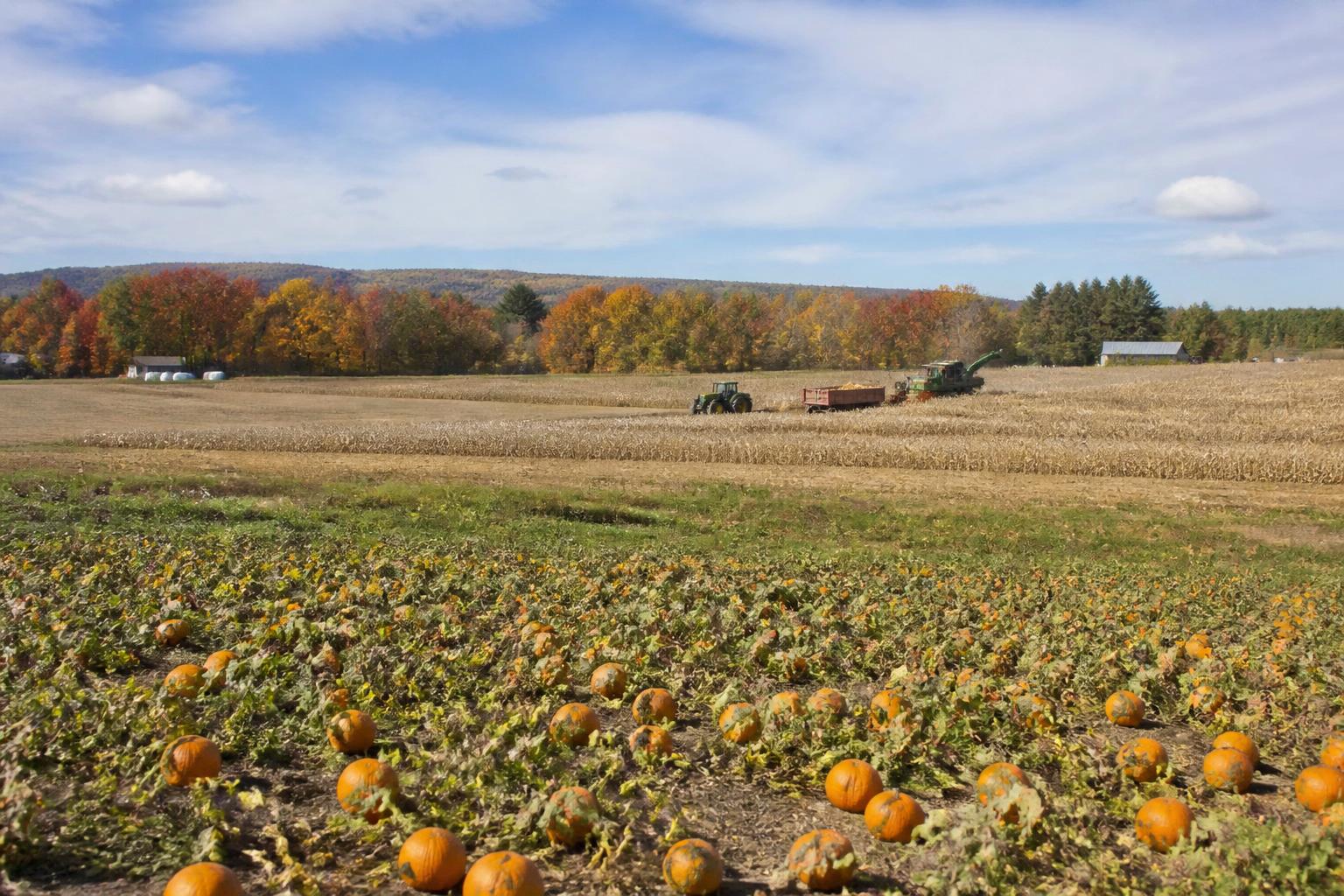
As Maryland growers move into the height of the summer season, regional logistics strategies are shifting toward sustainable fuel solutions and modernized infrastructure to manage agricultural throughput.
As Florida’s agricultural sector moves through the summer season, growers and agribusinesses are balancing ongoing recovery efforts, supply chain logistics, and persistent input cost concerns.
As summer heat intensifies across Arizona, producers face a dual challenge: navigating cooling logistical requirements and shifting global export demand for core crops like alfalfa.
Hawaii producers are facing significant challenges this summer as they grapple with climate-related damage and the need for greater capital support to stabilize agricultural operations.
As Montana growers move through the summer season, ongoing economic headwinds and infrastructure demands remain at the forefront of operational planning.
As New Jersey moves deeper into the summer season, growers and grain handlers are monitoring regional crop conditions and shifting logistical demands.
As Iowa producers monitor crop progress in mid-July, market concerns shift toward export competition and the potential for long-term farm income pressure.
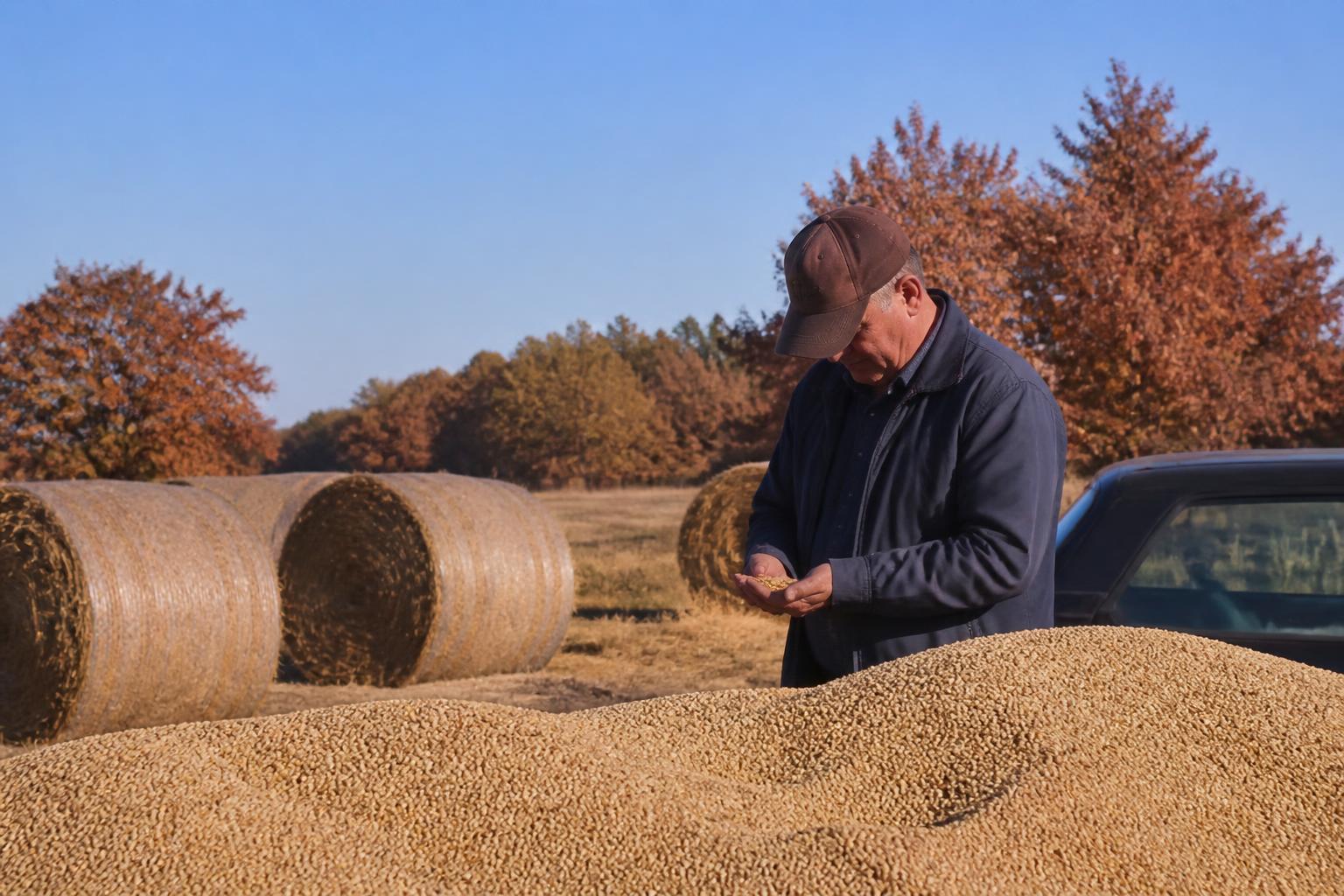
As Texas grain operations navigate peak summer logistics, producers and handlers are balancing seasonal supply chain constraints with ongoing market shifts.
Sign in to manage requests, save contacts and respond to market offers quickly.
Continue with Google Continue with MicrosoftSign in to manage requests, save contacts and respond to market offers quickly.
Continue with Google Continue with MicrosoftEnter your email and we will send a password reset link.
Don't have an account?
We value your privacy
We use cookies to run the site and, with your consent, to measure traffic (Google Analytics) and personalize ads. You can accept, reject, or choose. Privacy Policy