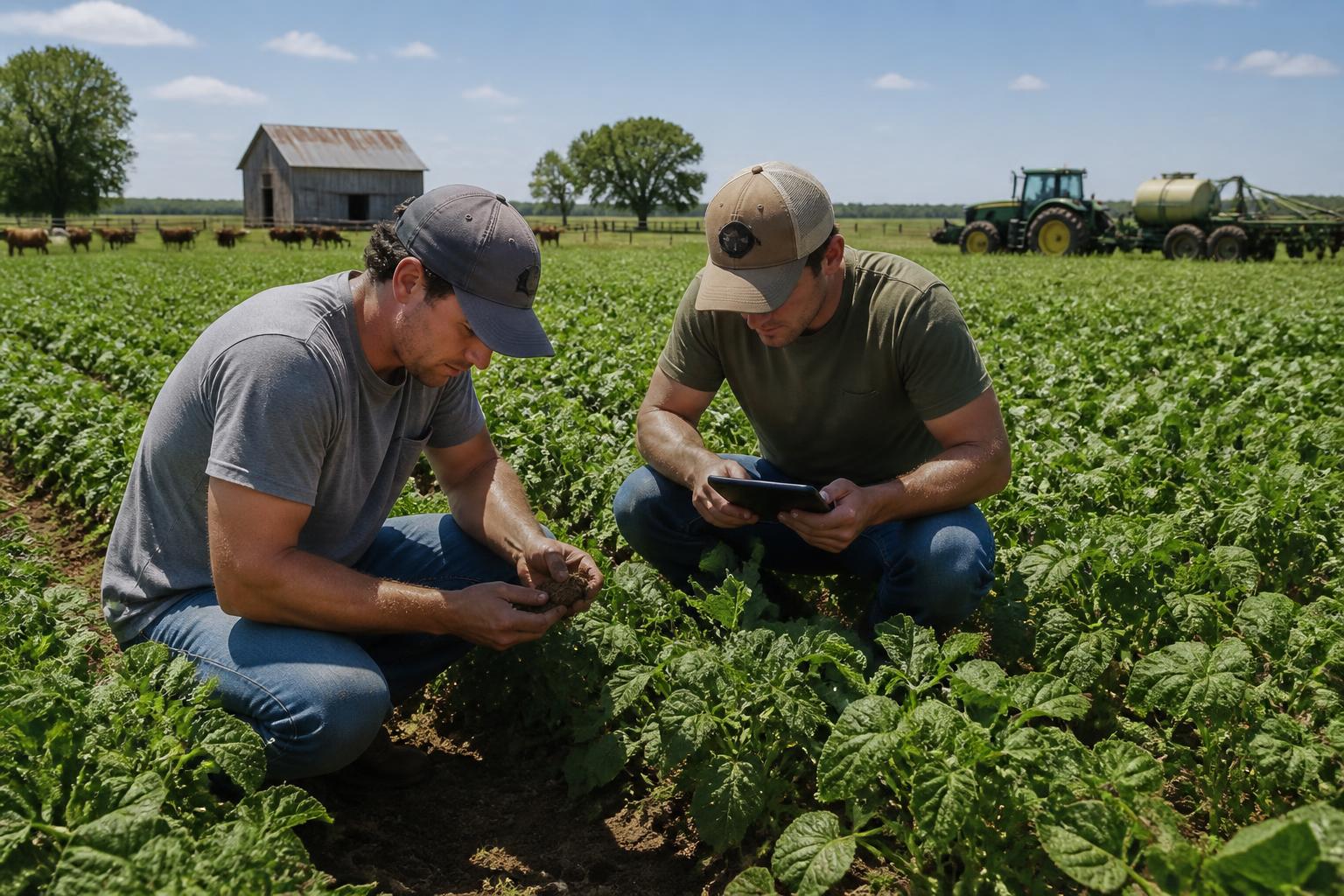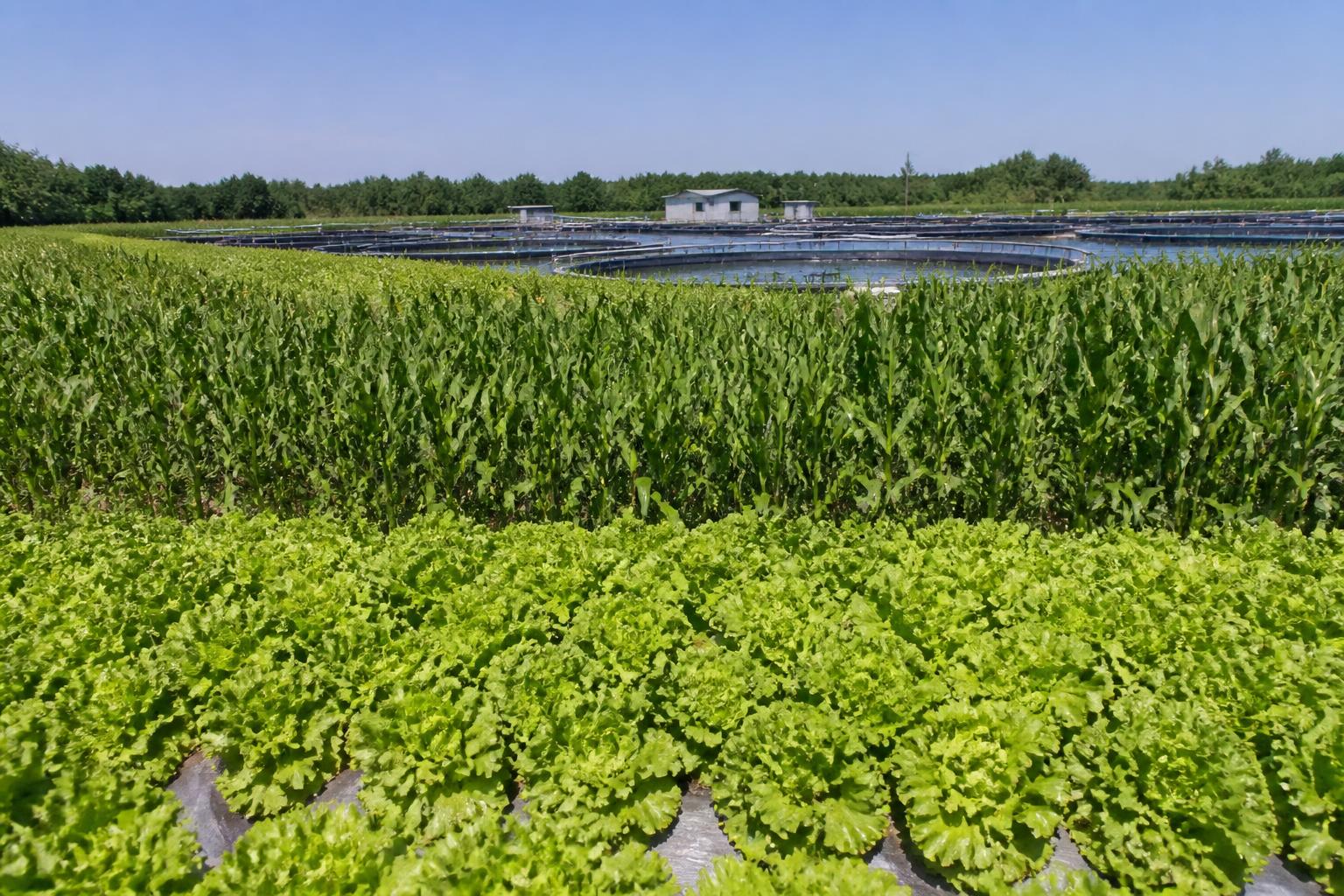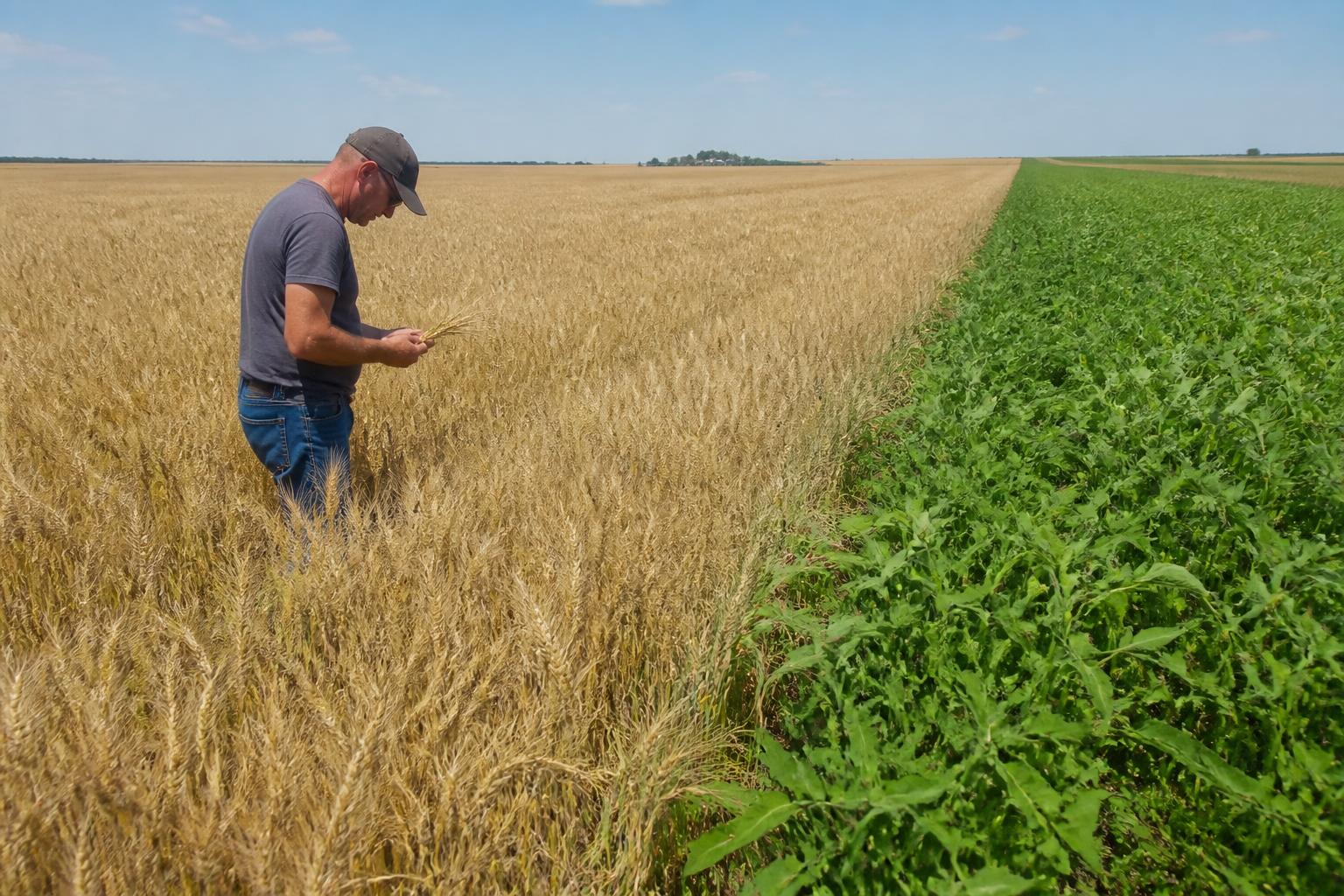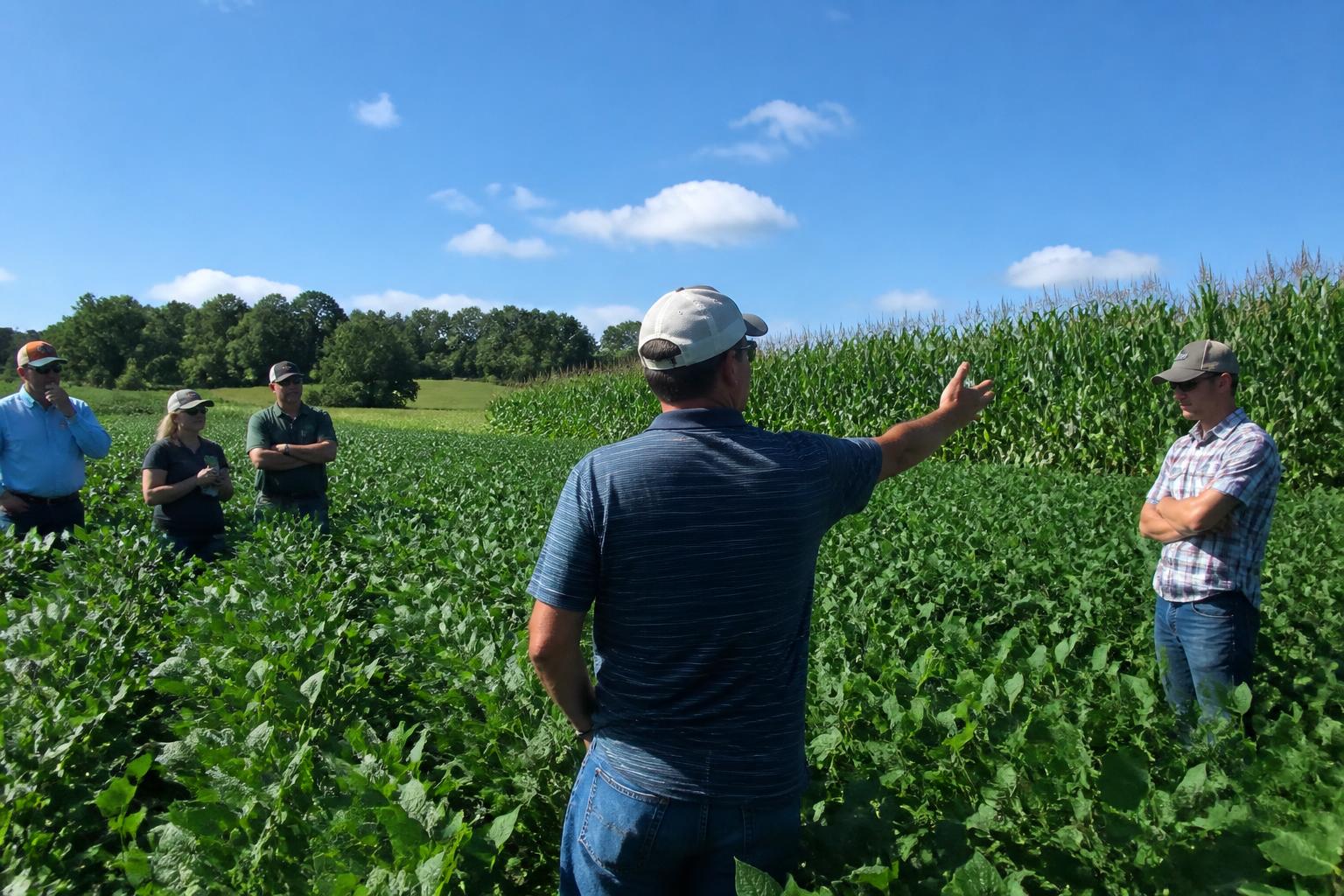
Advancing Soil Health and Productivity in Alabama Agriculture
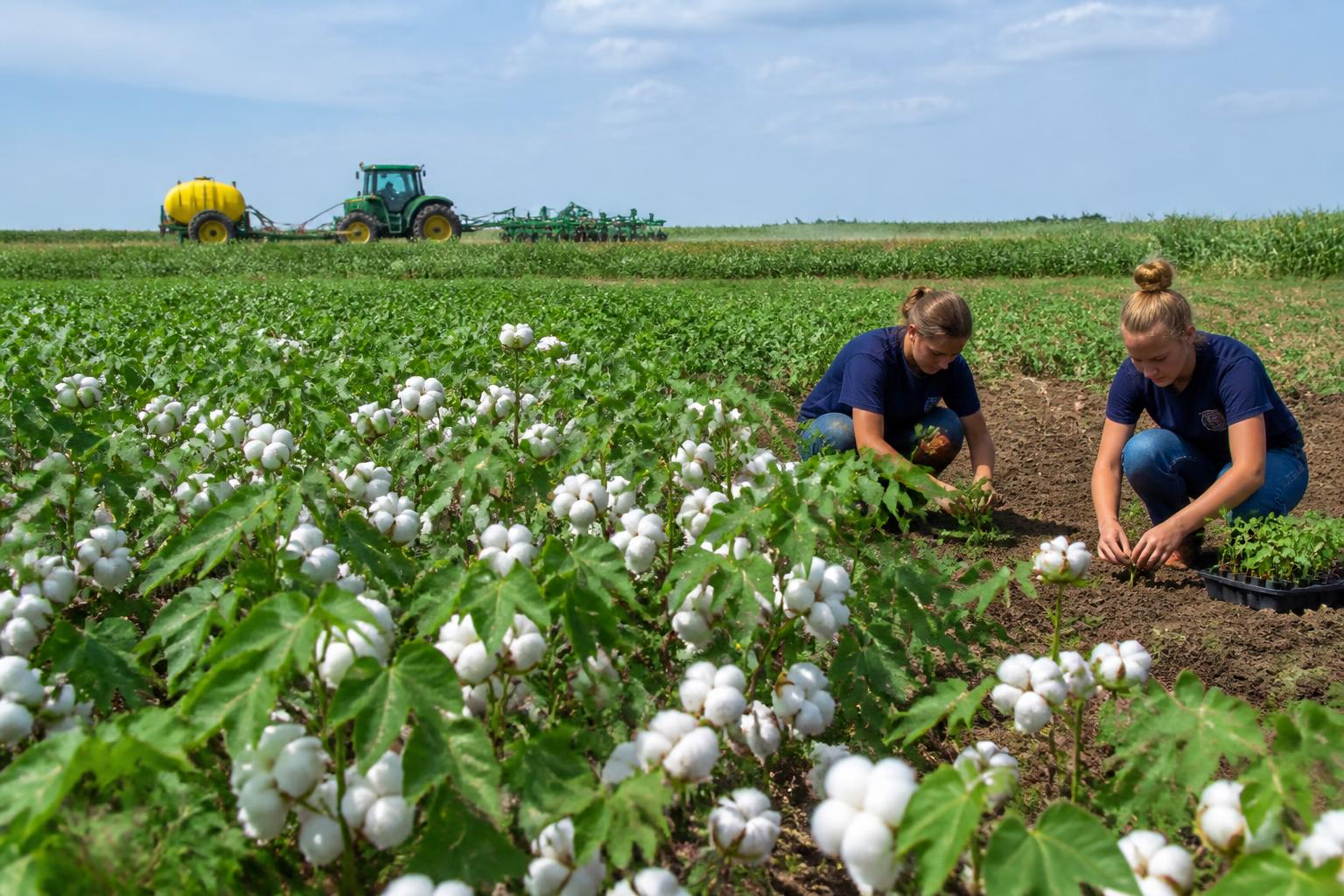
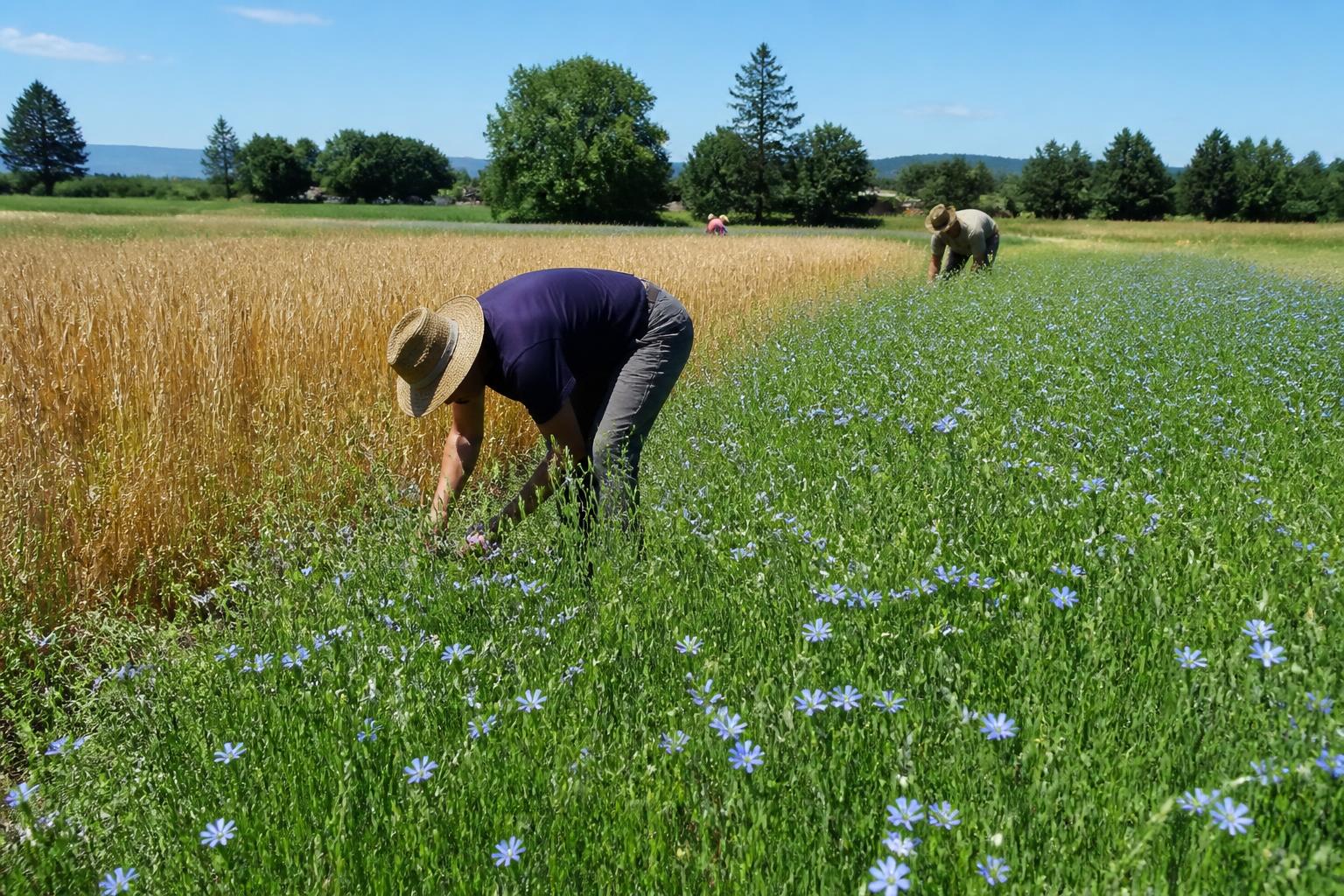
Alabama farmers are increasingly leveraging regional research and regenerative practices to improve soil health and long-term crop sustainability.
We collect original digests and analytical notes based on facts, market signals and verified sources.
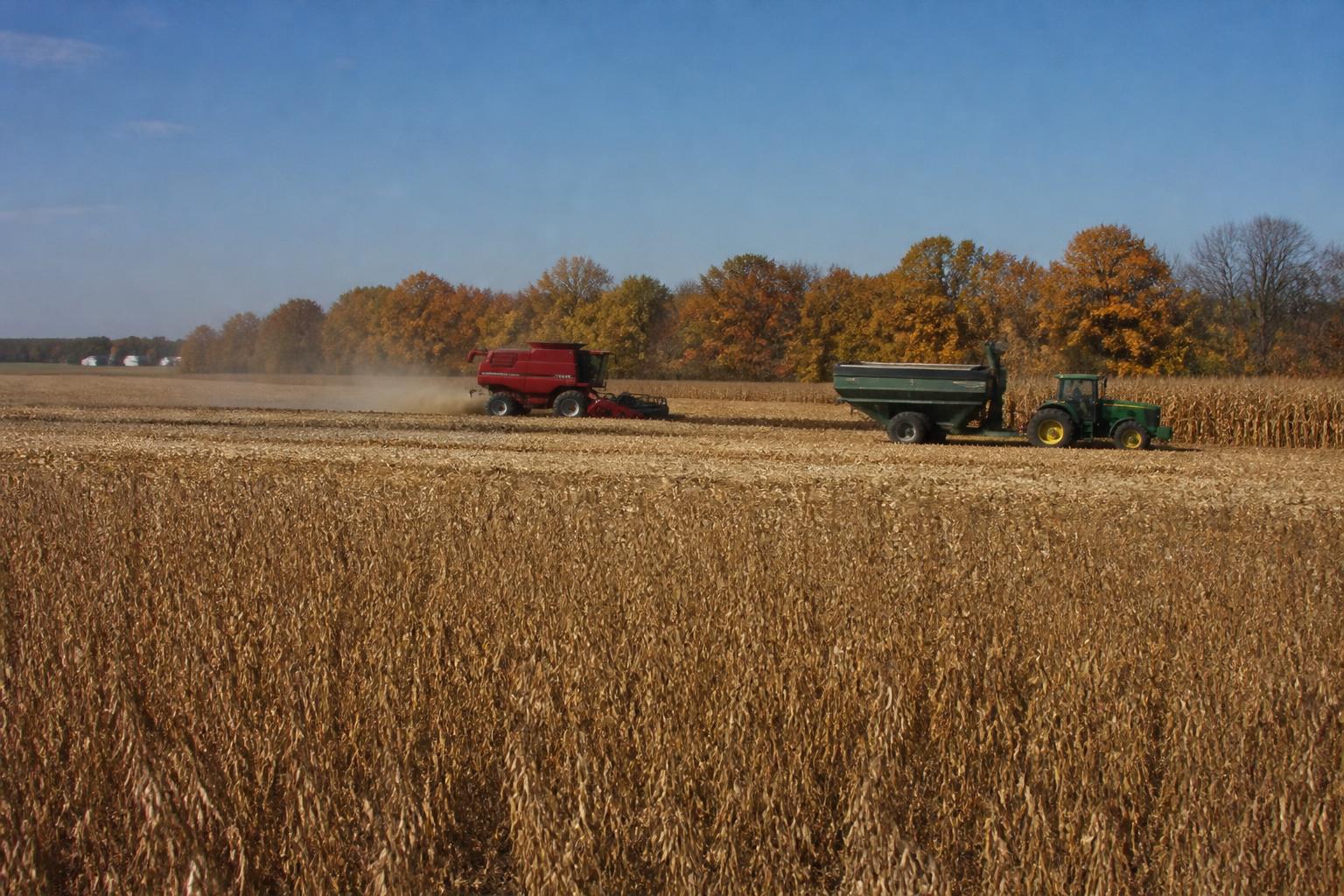
As Illinois farmers wrap up harvest and shift toward land management, new state incentives for conservation tillage aim to support margins amid lingering pressure on cash reserves.
Alabama farmers are increasingly leveraging regional research and regenerative practices to improve soil health and long-term crop sustainability.
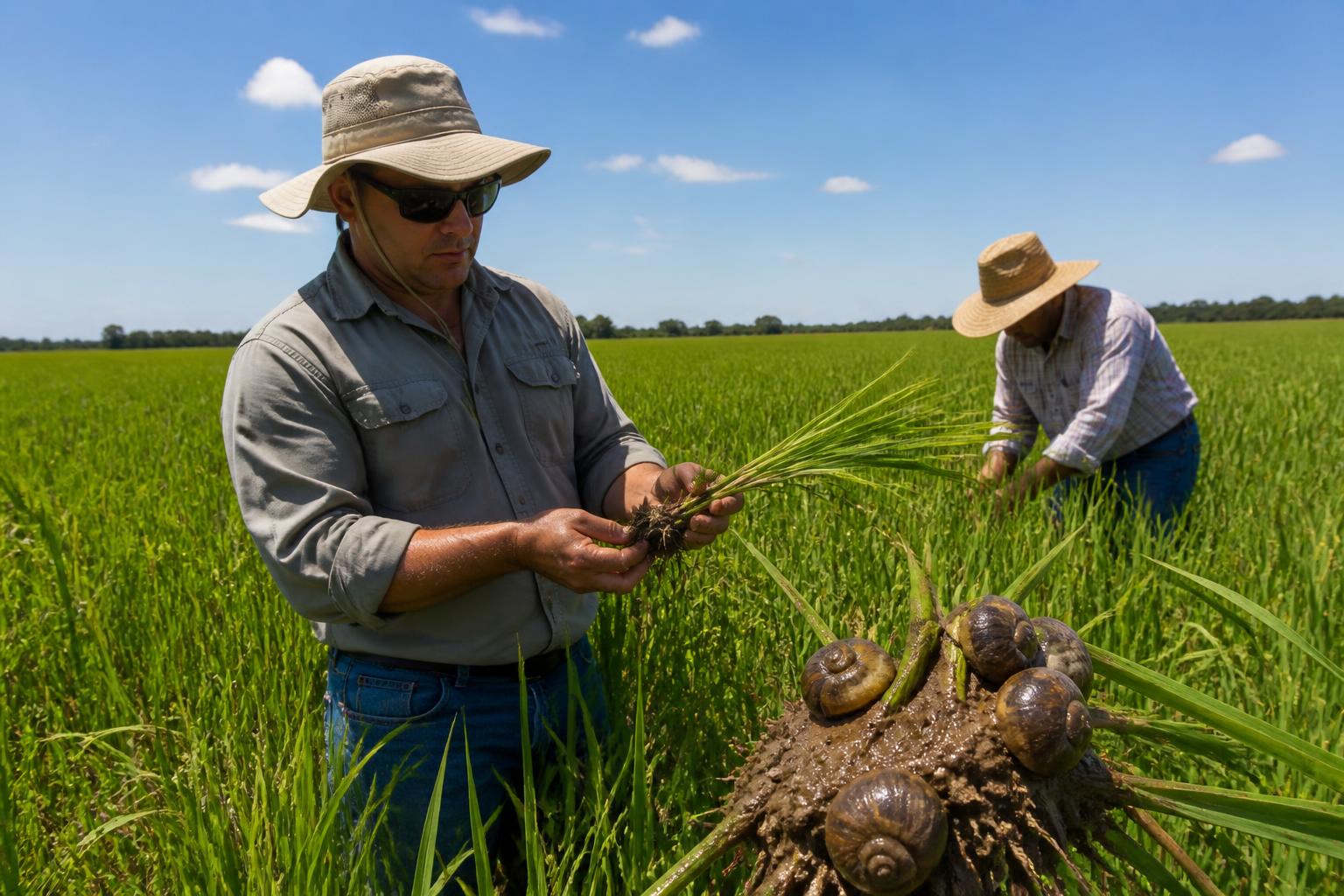
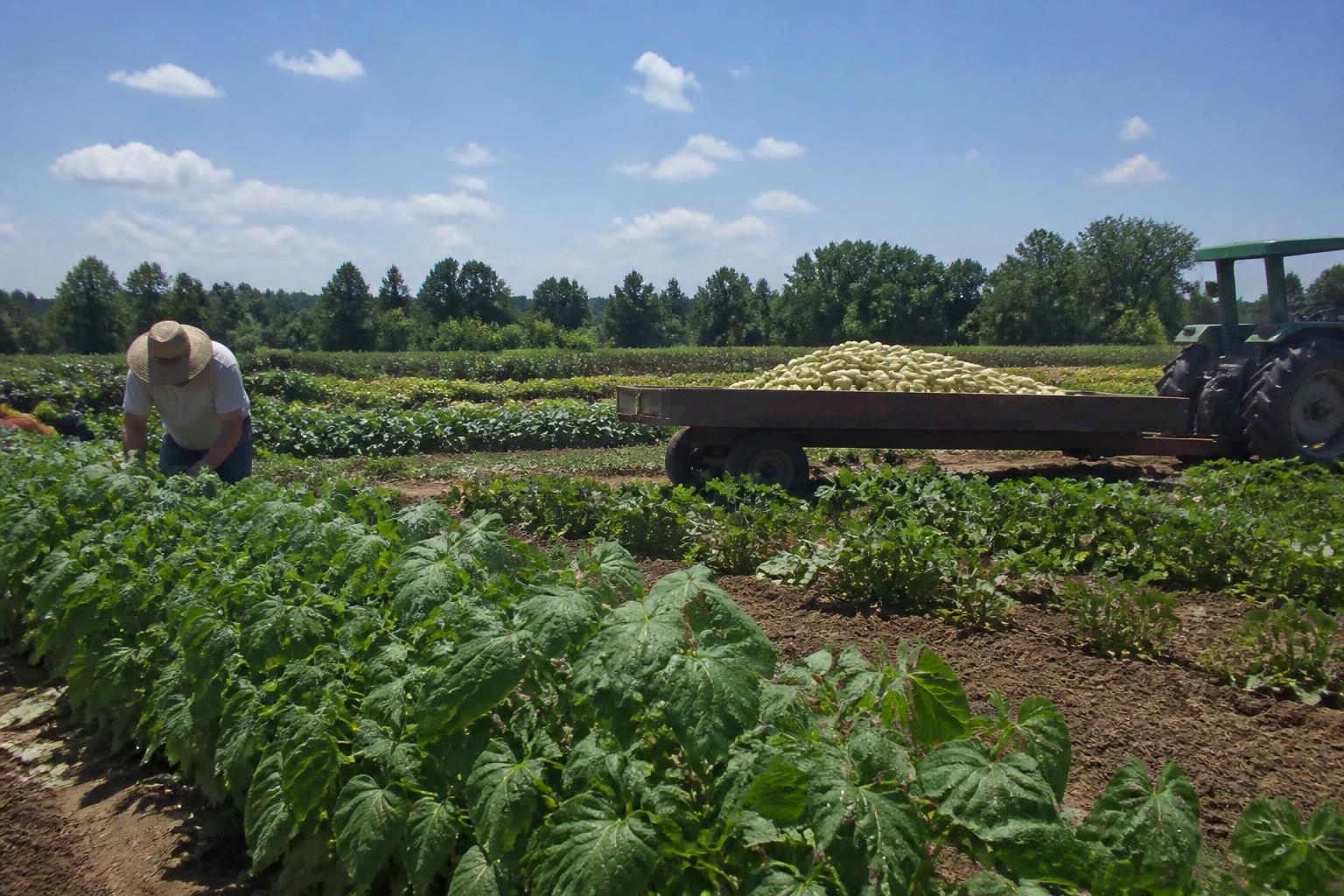
Louisiana farmers are managing evolving pest pressures and extreme summer weather, requiring proactive scouting and adaptive management strategies.
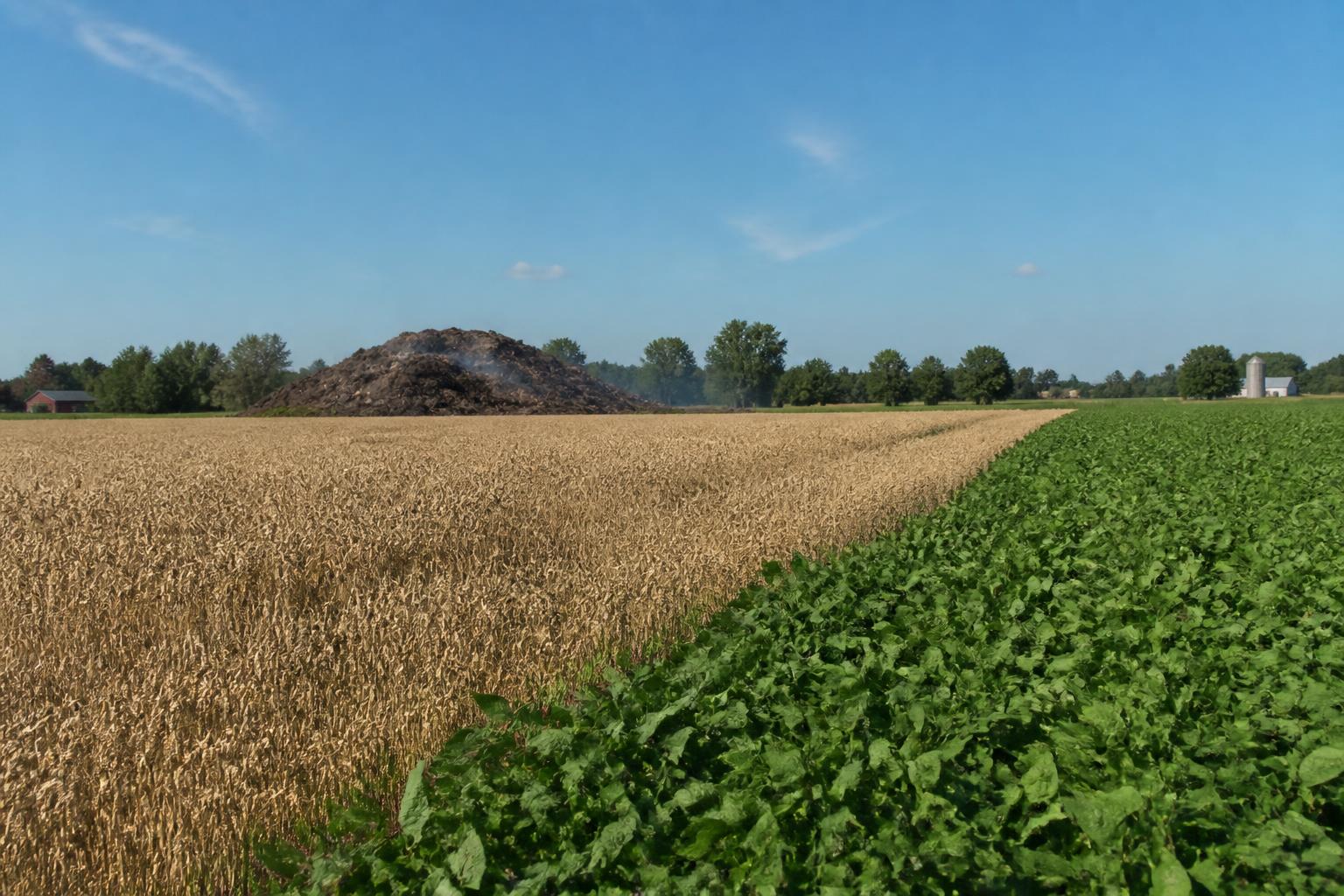
As mid-summer conditions persist, Michigan growers are keeping a close watch on crop health as disease pressures like tar spot become a primary concern for field protection strategies.
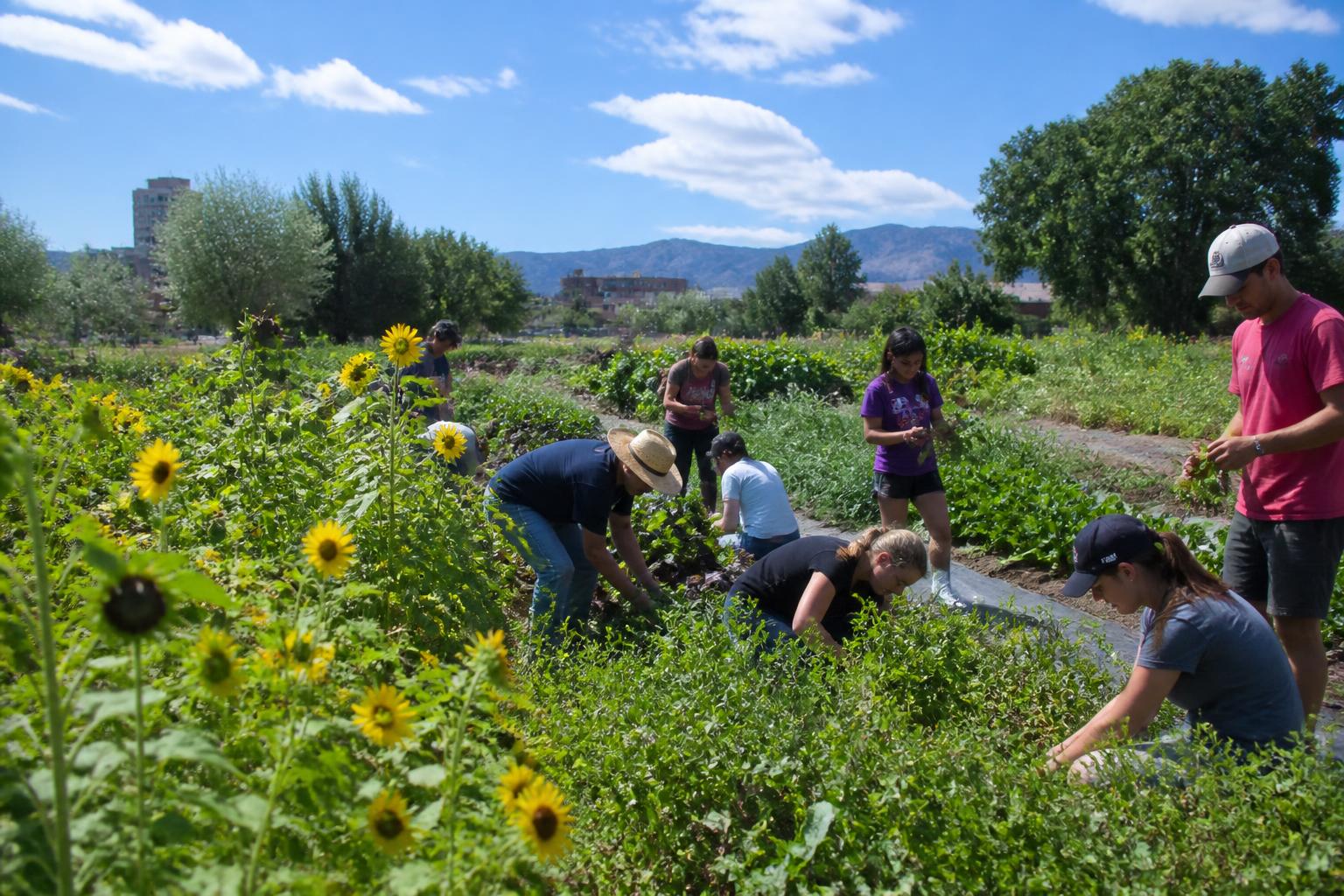
As mid-summer heat intensifies, Nevada producers are focusing on drought-resilient practices and advanced protection strategies to maintain crop health and yield potential.
Oklahoma producers are balancing strong harvest results in some sectors with the persistent challenge of volatile global fertilizer prices and rising operational costs.
As Idaho enters the peak of the summer growing season, the state's fertilizer sector is seeing significant investment in processing infrastructure alongside a focus on environmental regulatory compliance.
As West Virginia producers evaluate land management strategies, ongoing research into bioenergy crops on reclaimed mine sites offers potential for future production expansion.
As Maine producers navigate mid-summer crop development, attention turns to fertility management and the long-term outlook for input stability.
Pennsylvania producers are managing a complex summer landscape, navigating recent weather-induced crop damage while prioritizing long-term sustainability through state land-protection initiatives.
Kentucky producers face a complex summer season marked by localized weather volatility, potential pest outbreaks, and persistent inflationary pressures on essential crop inputs.
As mid-summer field activities continue across Oregon, producers are keeping a close watch on input cost stability and emerging regulatory impacts on the local supply chain.
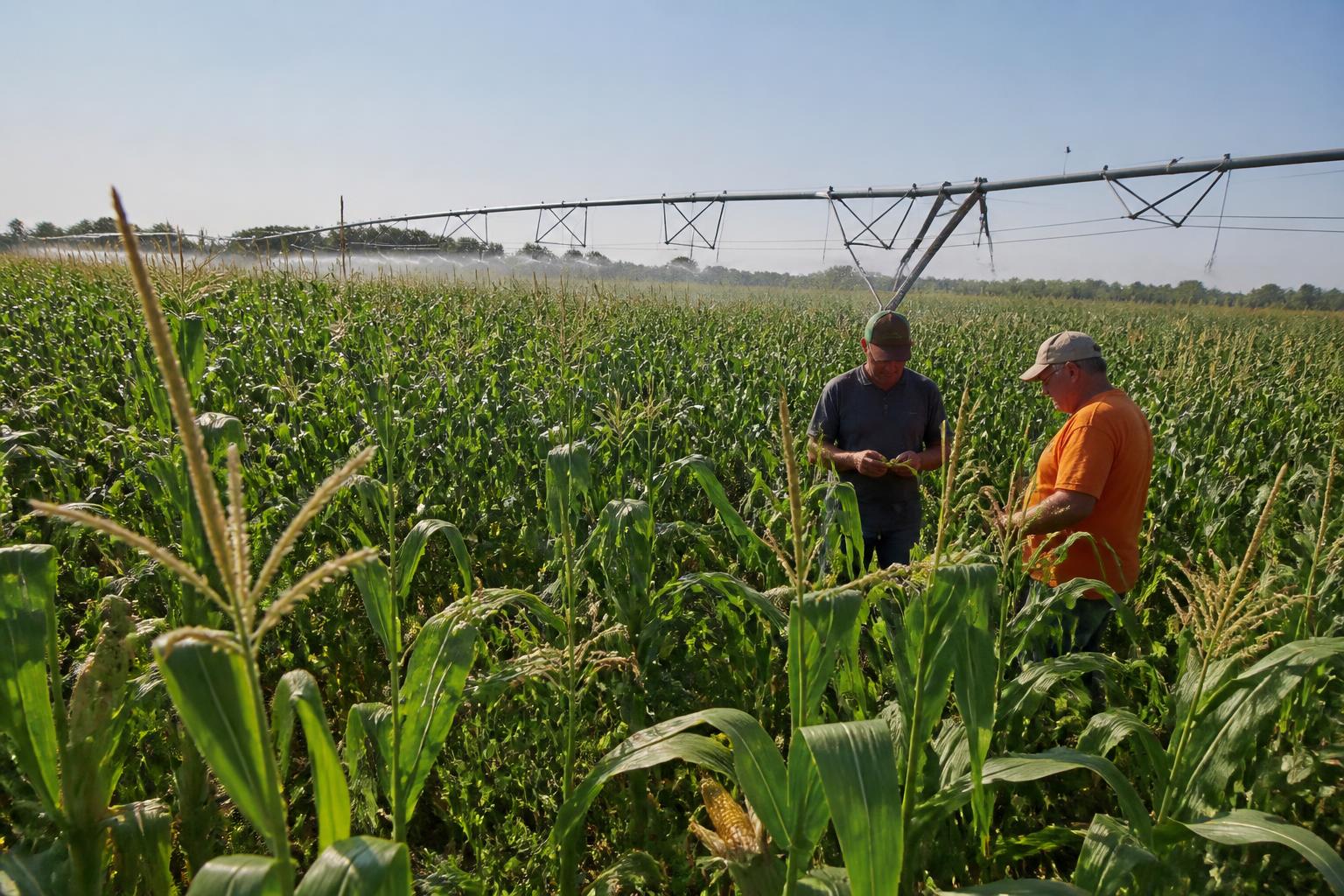
As Mississippi farmers navigate the peak of the summer season, a focus on irrigation efficiency and strategic input management remains critical for maintaining crop yields.
Sign in to manage requests, save contacts and respond to market offers quickly.
Continue with Google Continue with MicrosoftSign in to manage requests, save contacts and respond to market offers quickly.
Continue with Google Continue with MicrosoftEnter your email and we will send a password reset link.
Don't have an account?
We value your privacy
We use cookies to run the site and, with your consent, to measure traffic (Google Analytics) and personalize ads. You can accept, reject, or choose. Privacy Policy