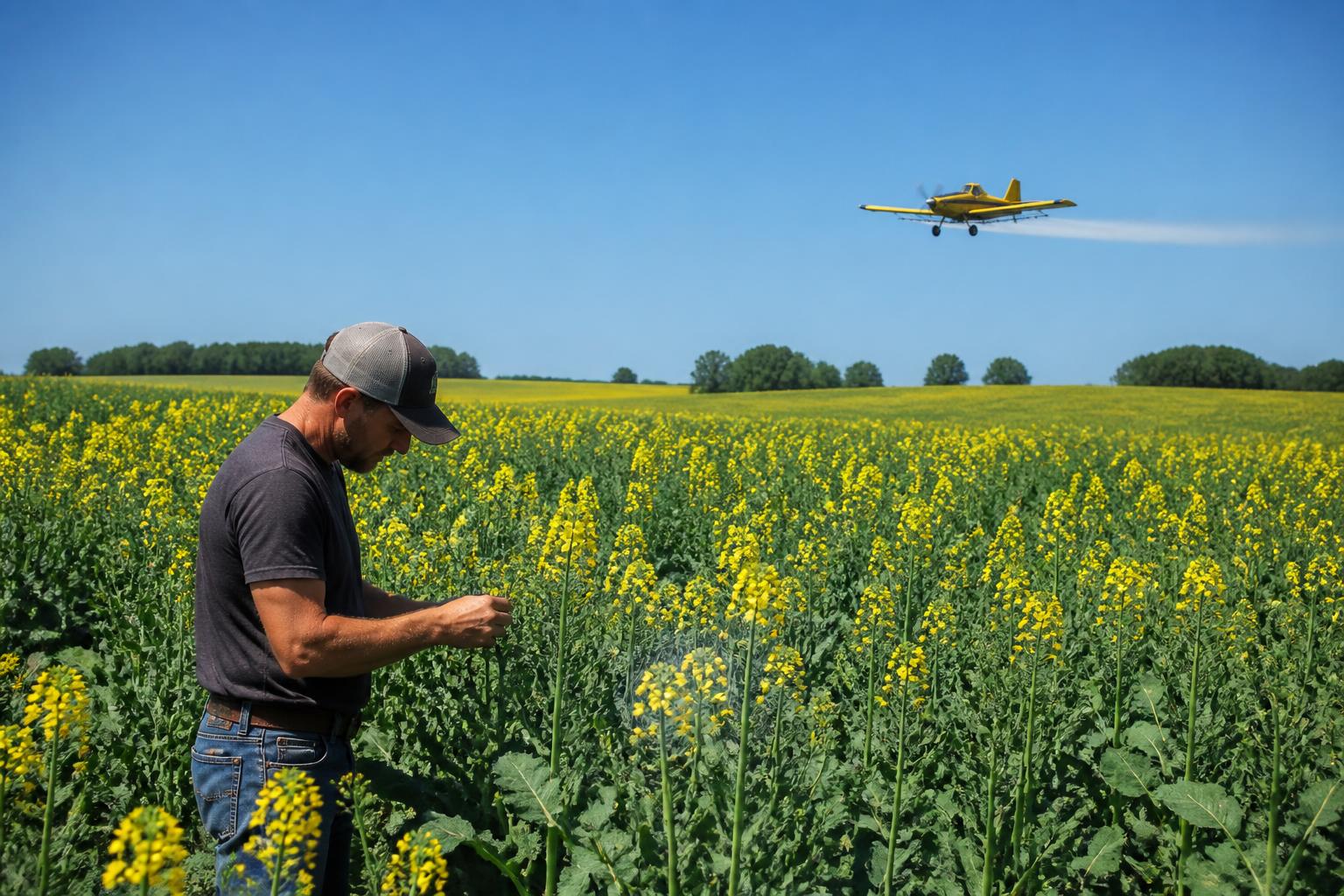
North Dakota Crop Management: Protecting Yields During Peak Summer Heat
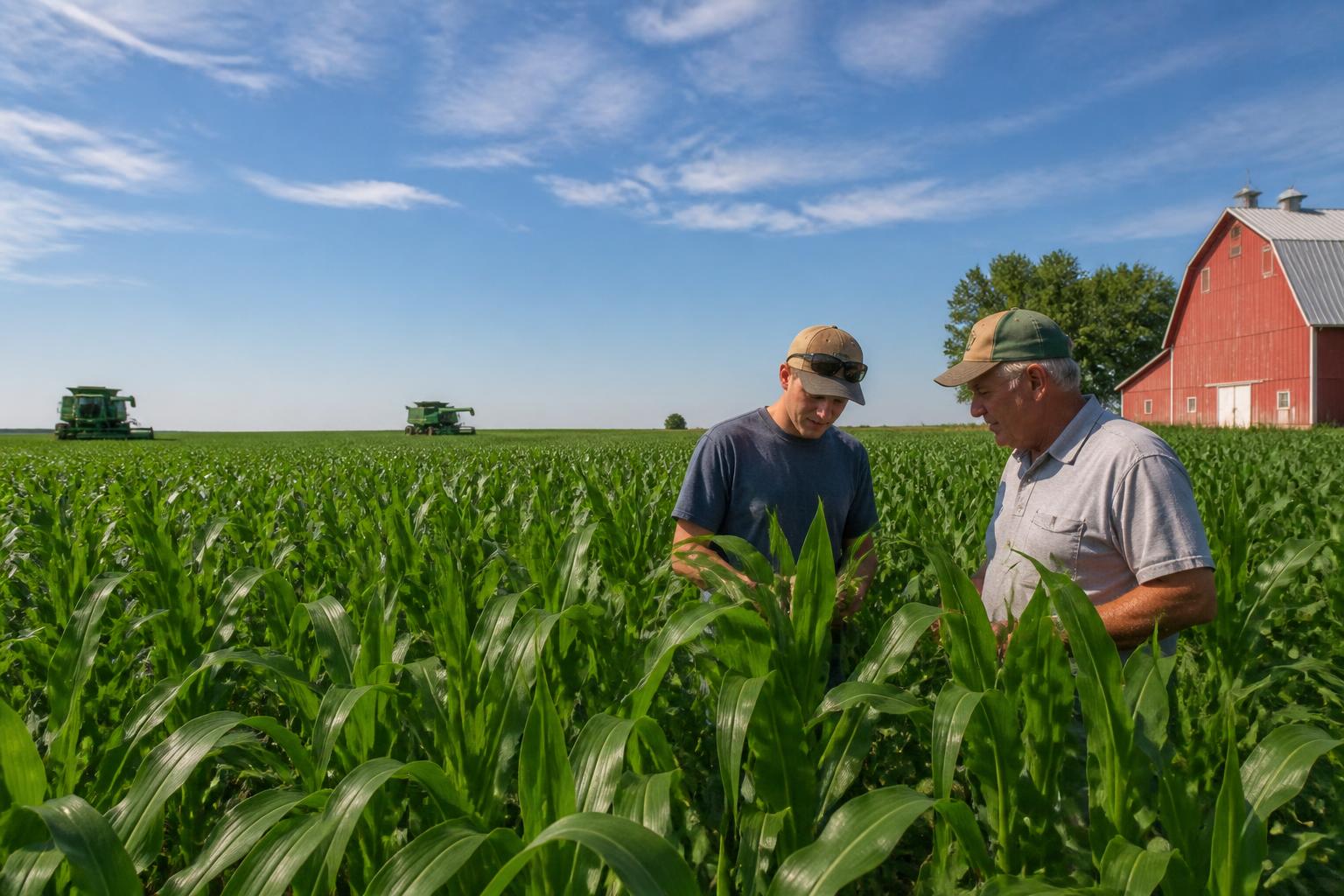
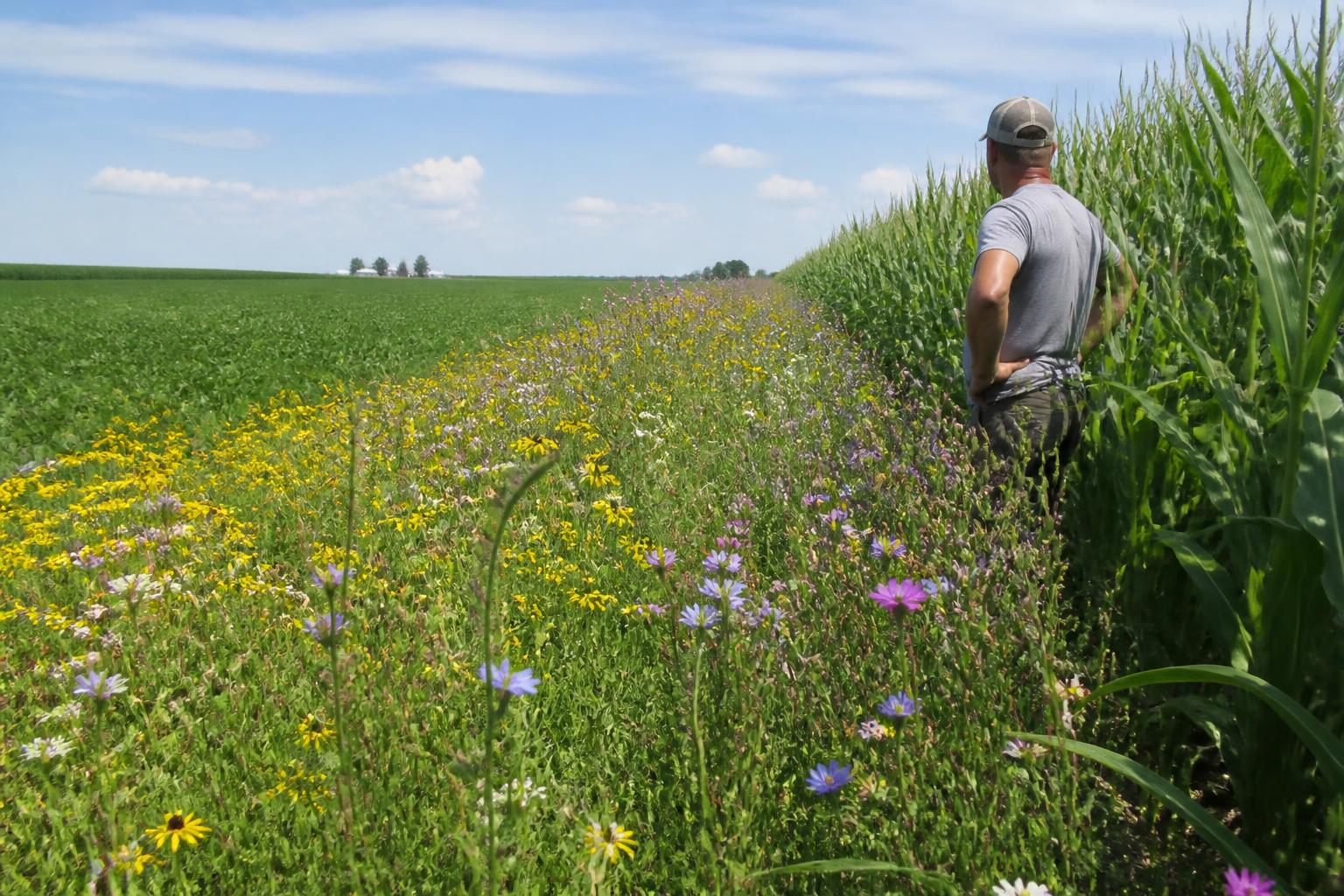
As North Dakota fields move through the heat of mid-summer, producers are focusing on proactive pest management and soil health to protect potential harvest volumes.
We collect original digests and analytical notes based on facts, market signals and verified sources.
The opening of a craft flour mill on the Umatilla Indian Reservation offers new processing opportunities for local producers, potentially strengthening the regional wheat value chain.
As North Dakota fields move through the heat of mid-summer, producers are focusing on proactive pest management and soil health to protect potential harvest volumes.
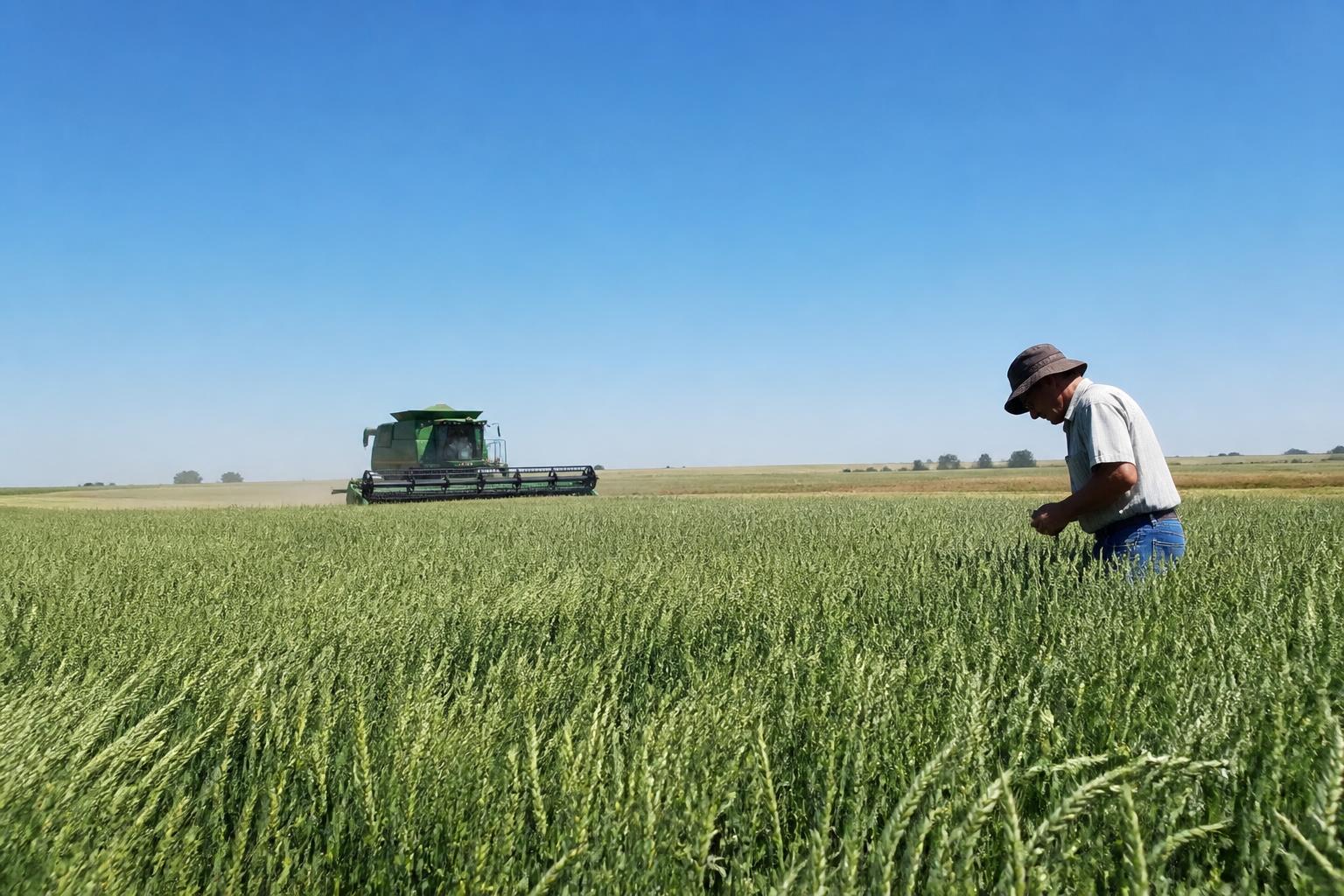
As Nebraska producers manage summer crop conditions, shifting winter wheat dynamics and shifting trade landscapes continue to influence local grain marketing strategies.
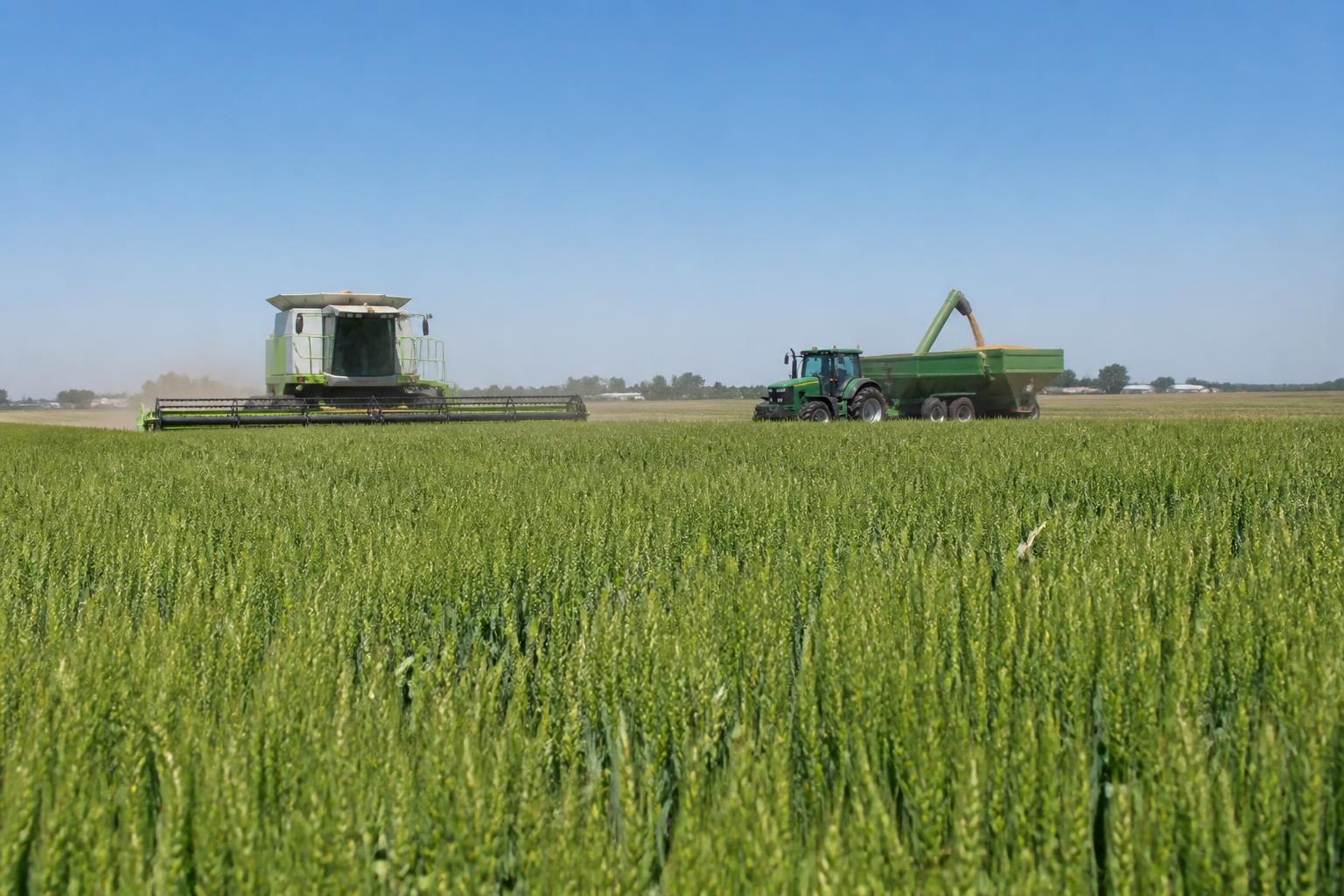
As Oklahoma wheat harvests wind down, producers are shifting focus to inventory management and evaluating new logistical tools to streamline transport in the coming season.
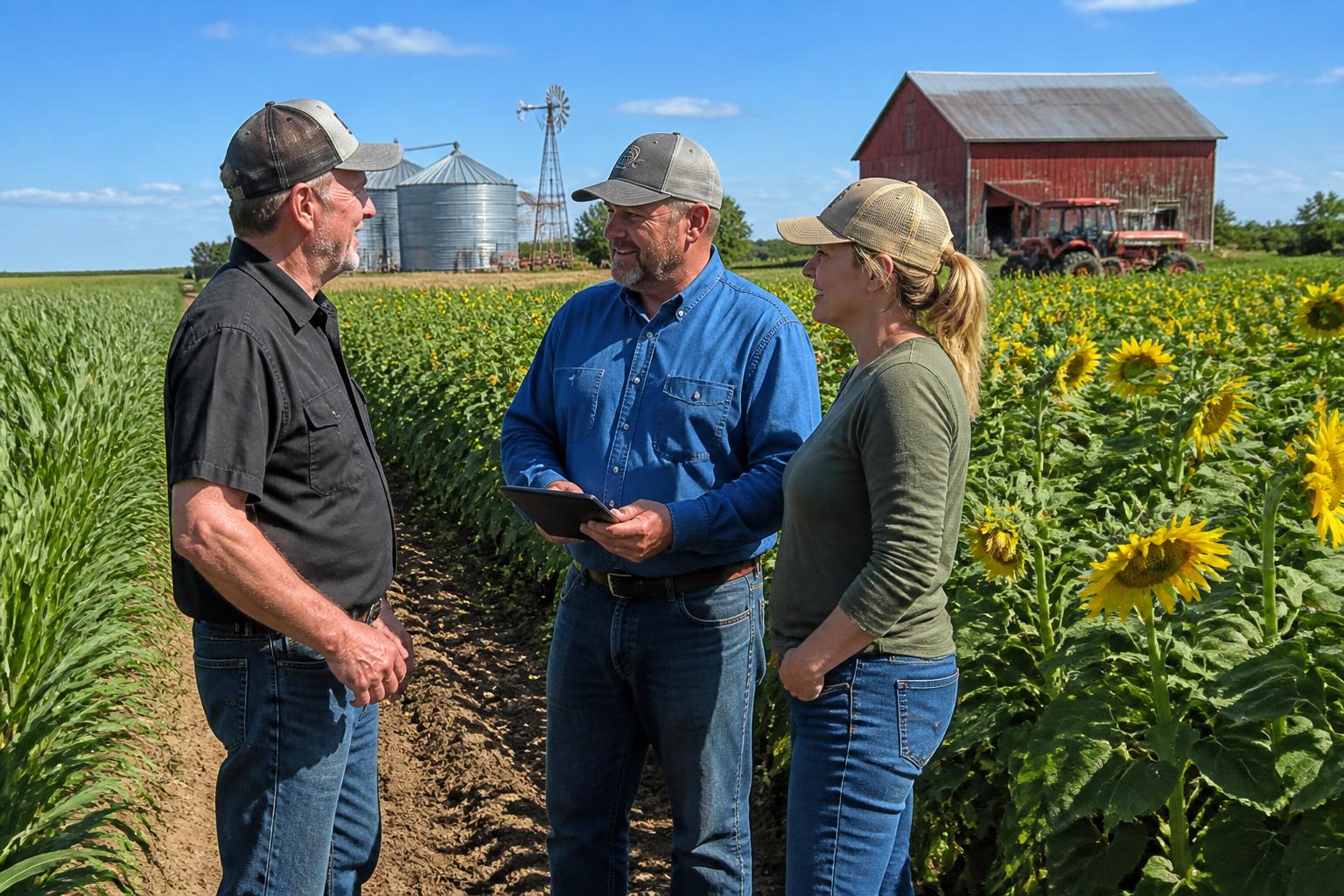
As summer operations peak in Colorado, producers are balancing ongoing crop development, resource management, and regional market pressures.
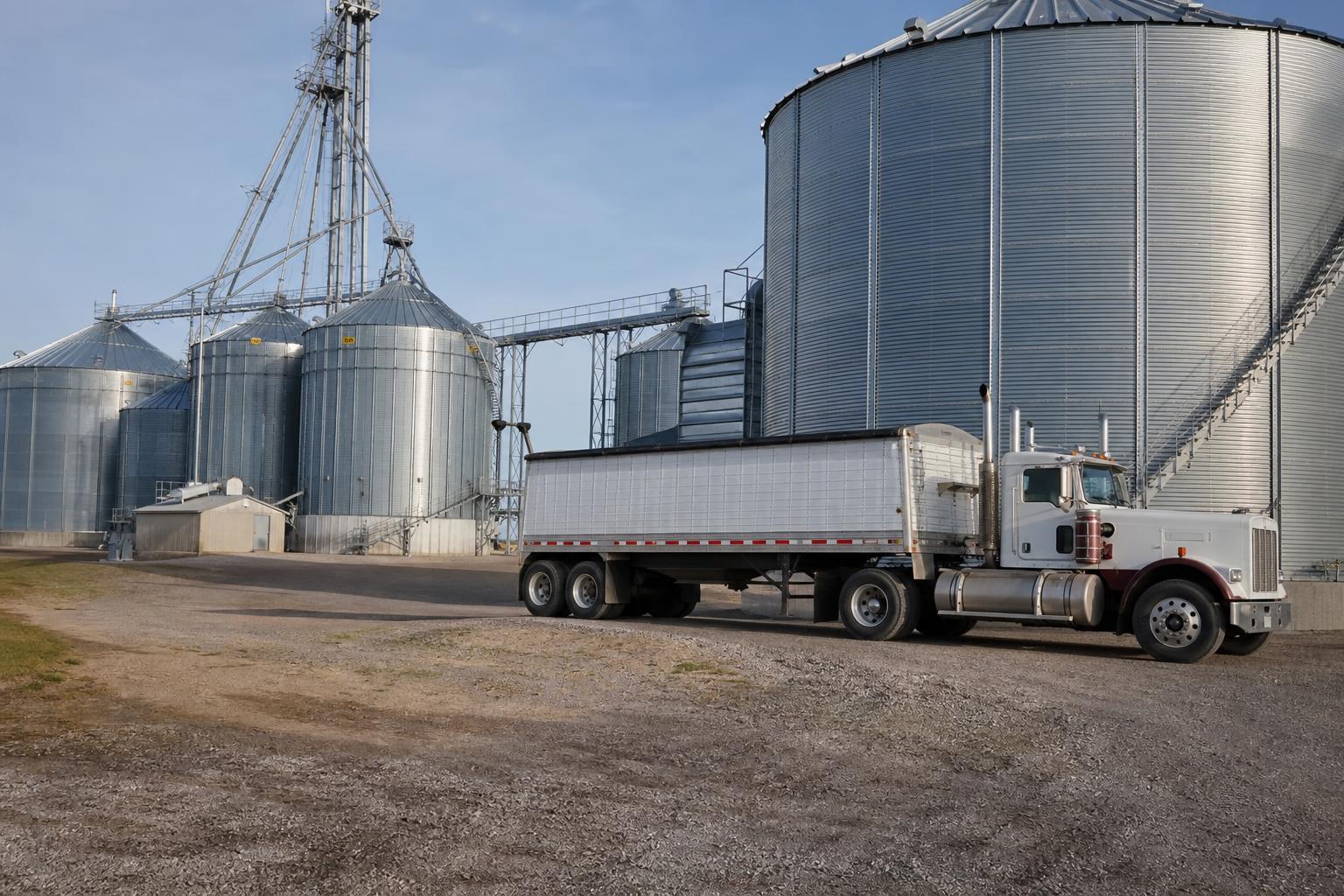
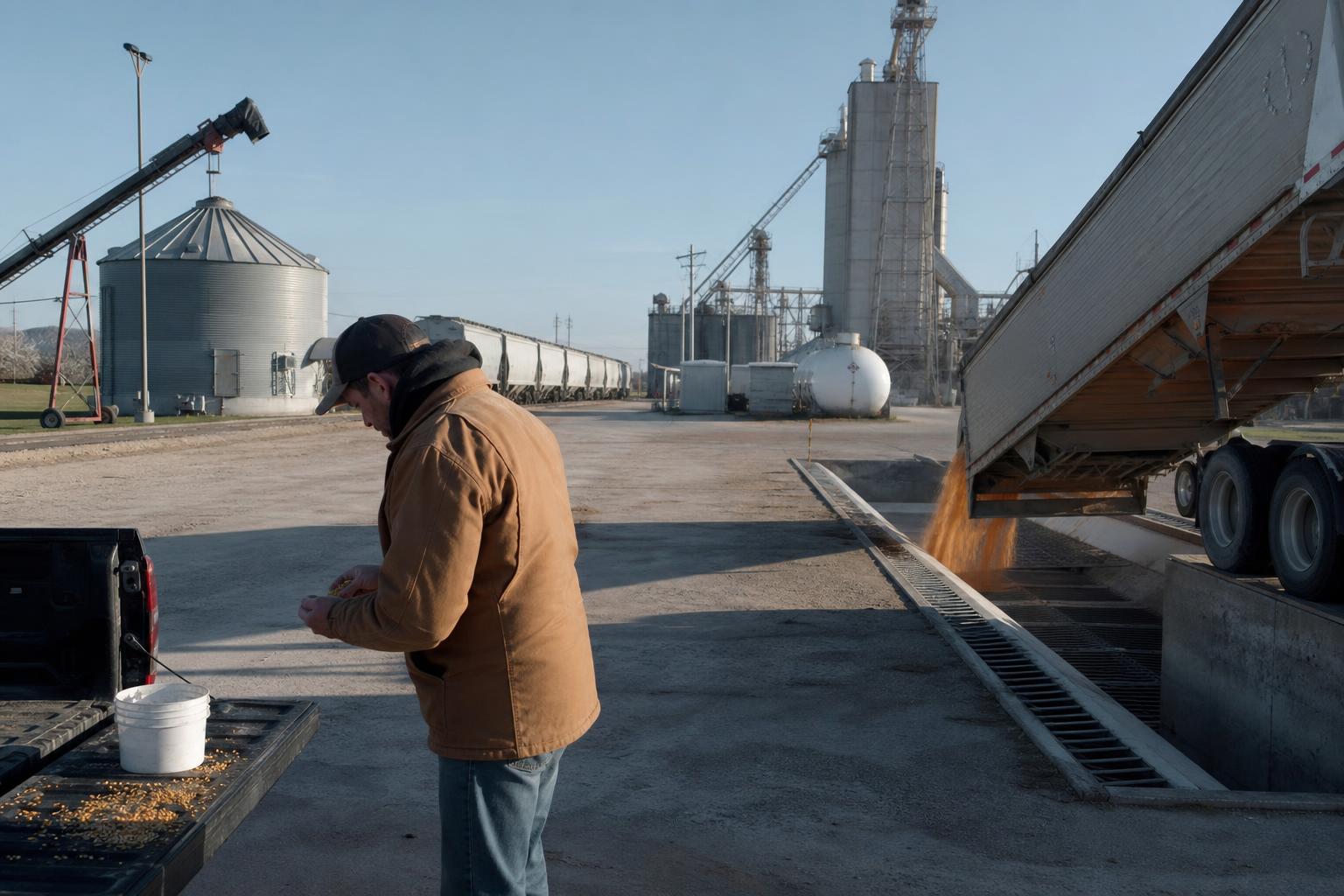
Oklahoma grain elevator operators are grappling with wheat shortages and evolving risk management needs as global market pressures weigh on local producers.
As summer harvest progresses in Kansas, producers are balancing a focus on grain quality with evolving logistical and industry-wide shifts that impact operational efficiency.
Following challenging weather events affecting regional wheat production, Colorado producers are shifting focus to research and crop resilience strategies as the summer season progresses.
As Oklahoma producers navigate a complex mid-summer market, shifting acreage toward soybeans and ongoing grain price volatility remain top of mind for growers and local agribusinesses.
While timely summer rains provided a much-needed boost to Oregon's wheat production, growers continue to face a challenging market environment.
As summer heat intensifies, Montana growers are evaluating effective pest management strategies to protect yield potential while managing rising input costs.
U.S. grain sellers should keep crop report expectations, local basis bids, export pull and storage costs in the same decision framework. The practical edge is not only watching futures, but comparing local delivery options, freight timing and bin space before committing bushels.
With crop reports, export flow and local basis all shaping cash bids, grain sellers should focus on location-specific opportunities rather than headline futures alone. Storage remains useful, but only when carry, basis improvement and quality risk justify the cost.
Sign in to manage requests, save contacts and respond to market offers quickly.
Continue with Google Continue with MicrosoftSign in to manage requests, save contacts and respond to market offers quickly.
Continue with Google Continue with MicrosoftEnter your email and we will send a password reset link.
Don't have an account?
We value your privacy
We use cookies to run the site and, with your consent, to measure traffic (Google Analytics) and personalize ads. You can accept, reject, or choose. Privacy Policy