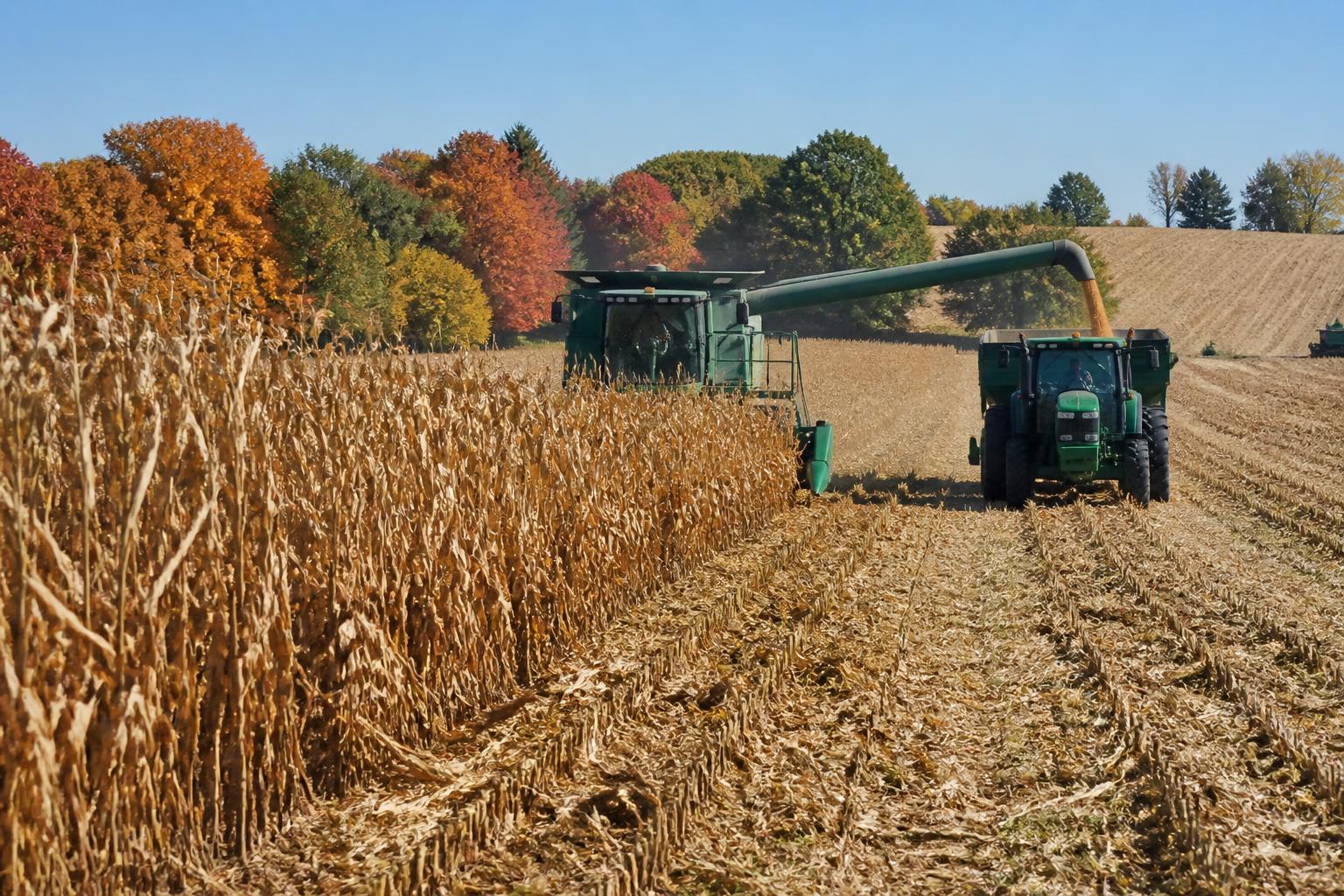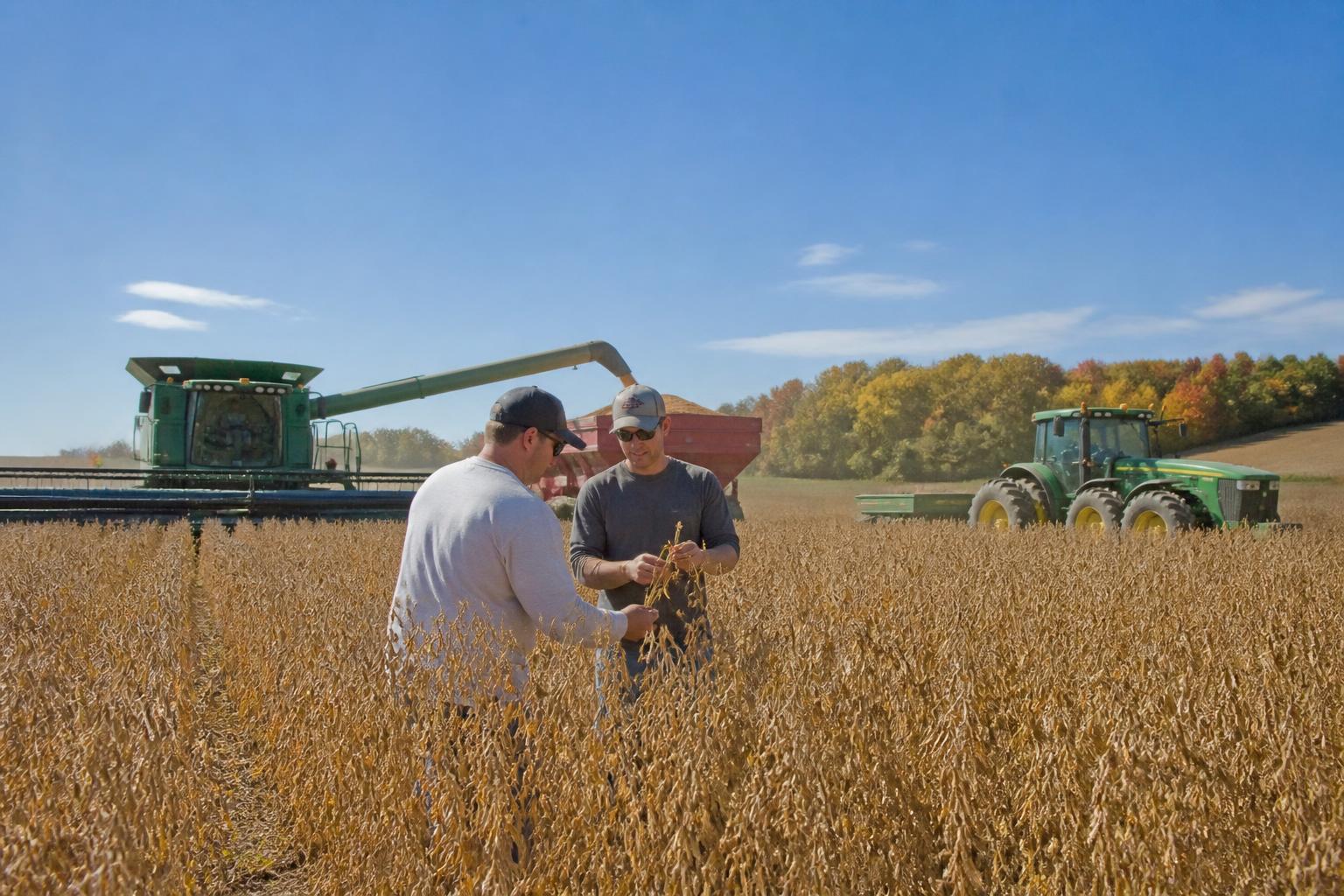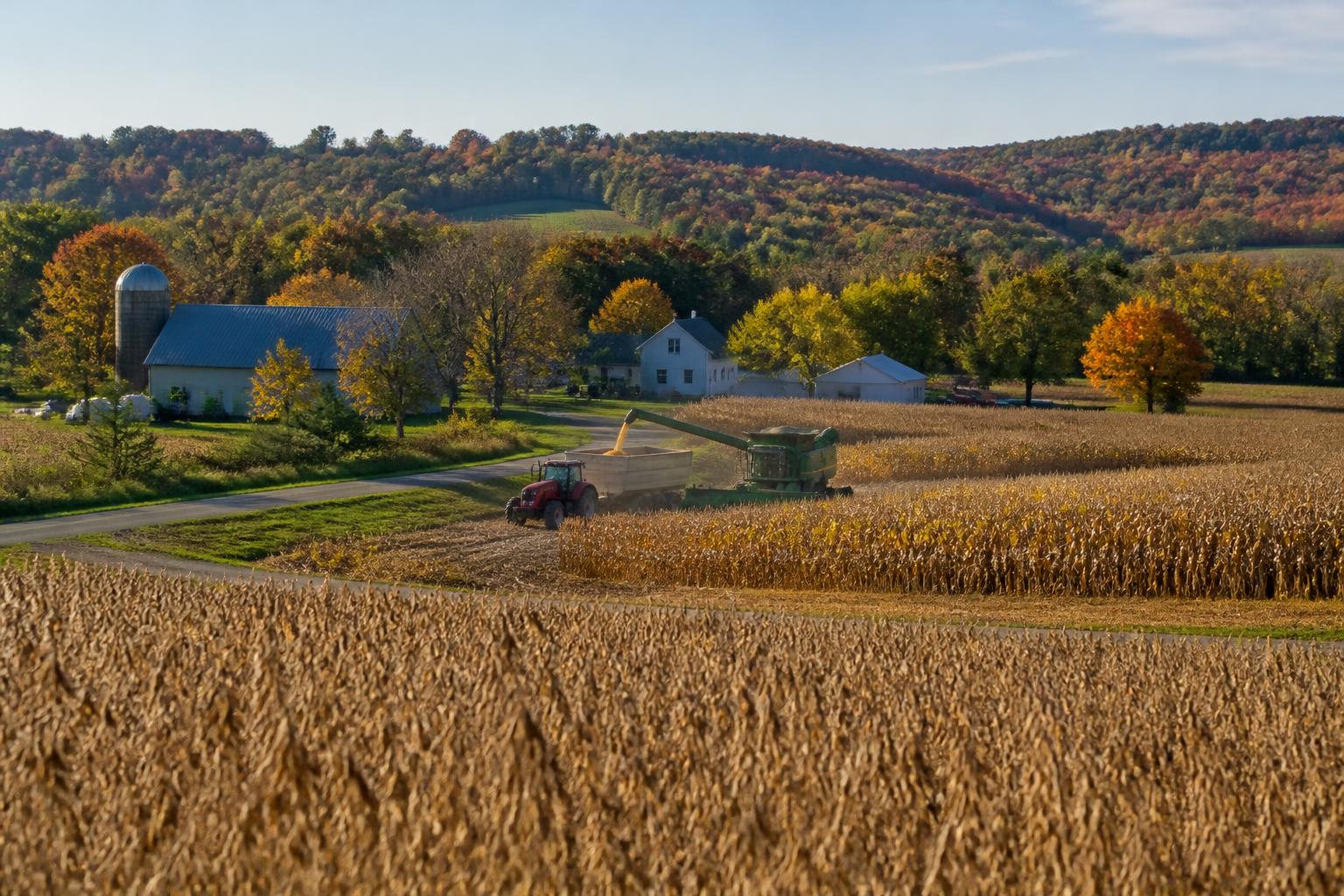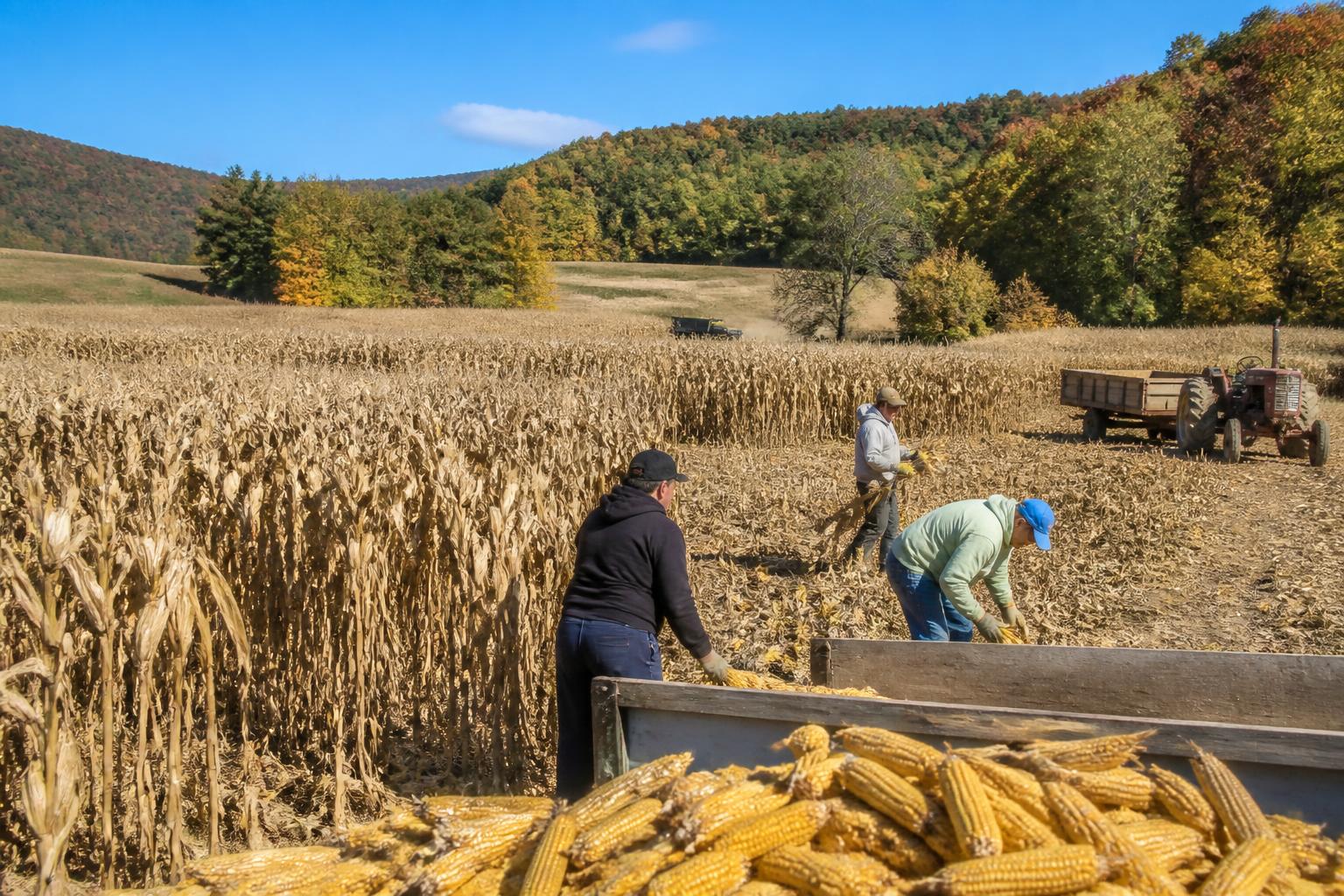
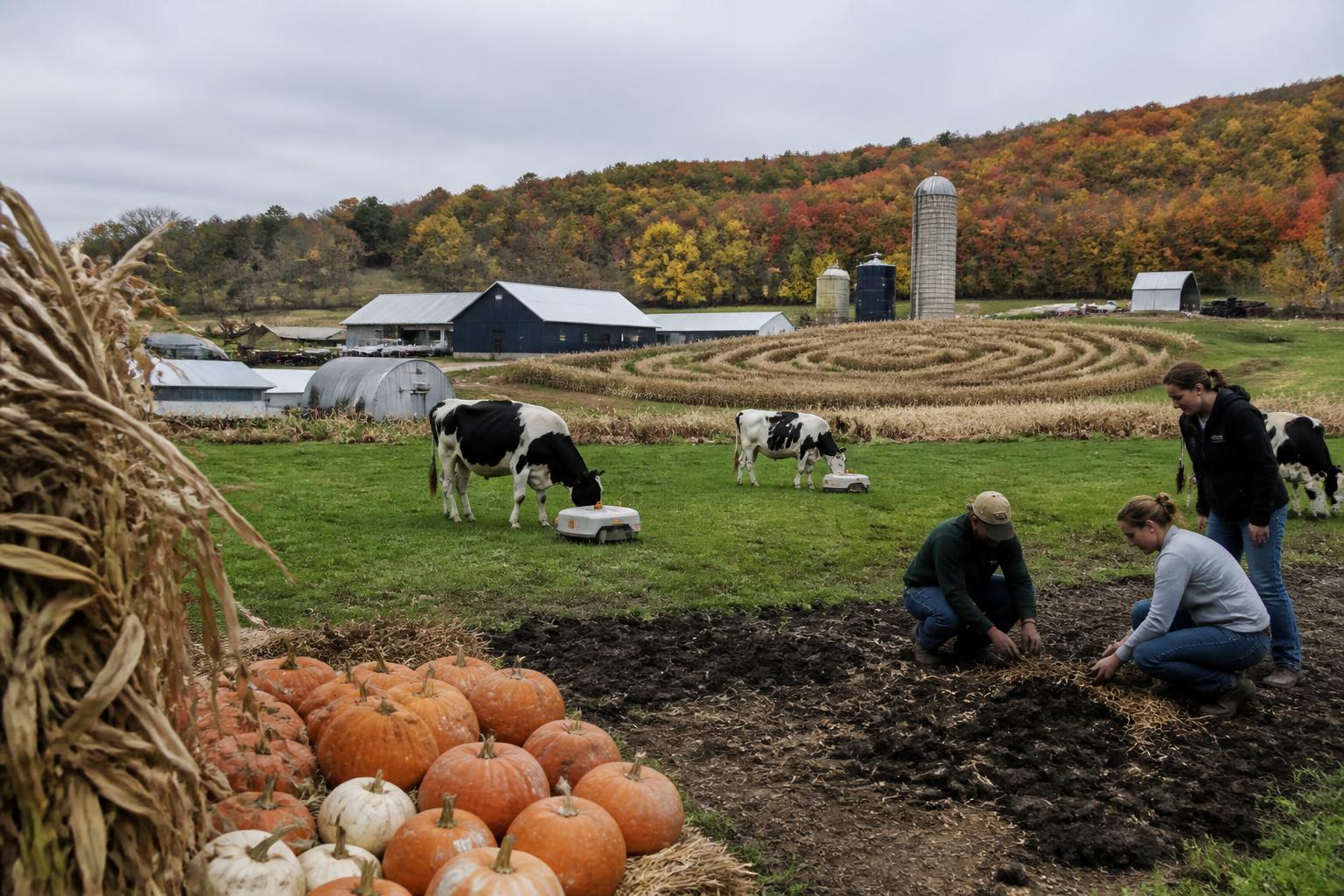
New Hampshire Grain Markets: Navigating Operational Challenges This Fall
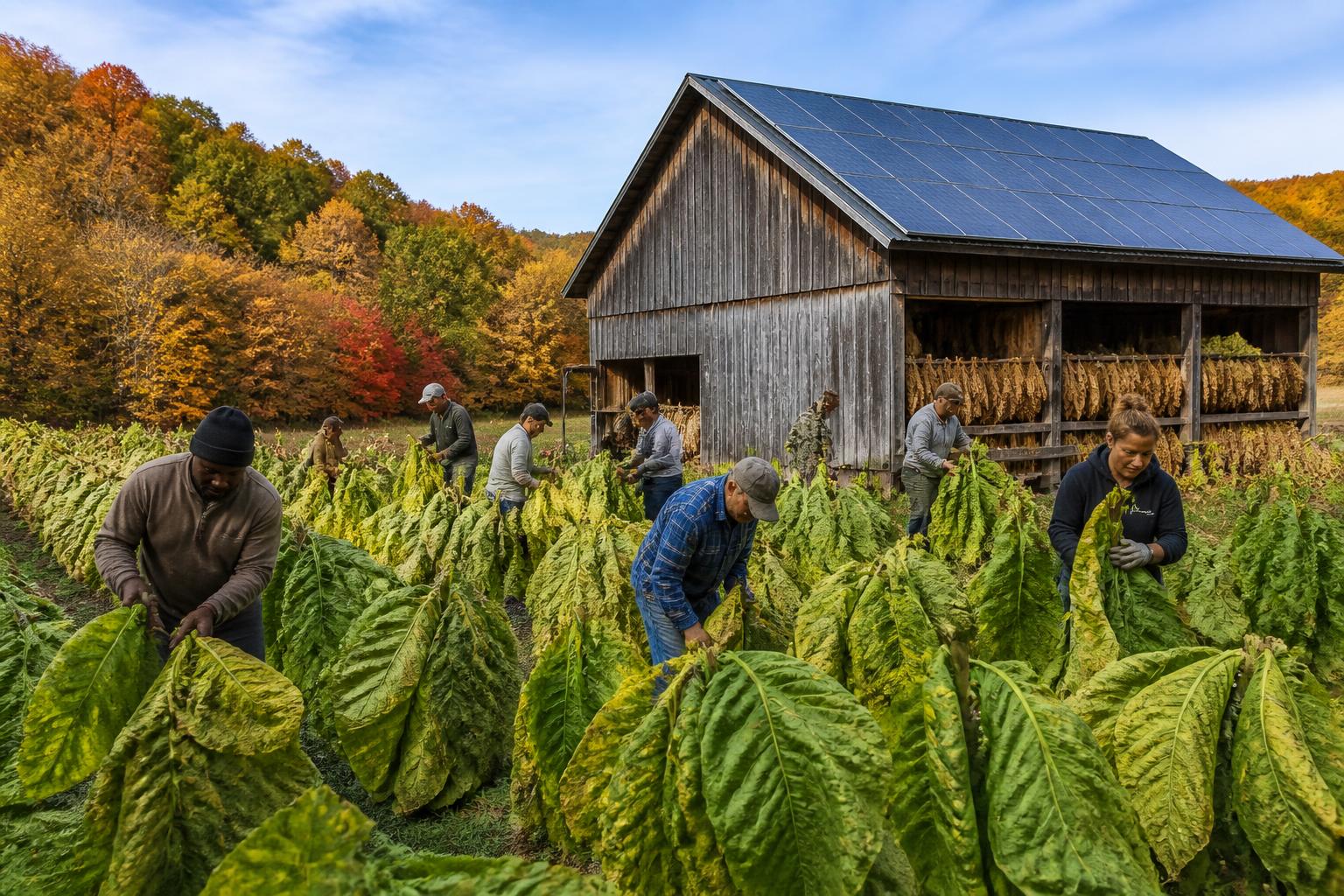
As New Hampshire producers head deeper into the fall season, shifts in labor costs and evolving USDA policies are reshaping local grain market priorities.
We collect original digests and analytical notes based on facts, market signals and verified sources.
As fall operations wind down, Maine producers are managing regional supply chain complexities and adjusting to broader market shifts impacting agricultural output.
As New Hampshire producers head deeper into the fall season, shifts in labor costs and evolving USDA policies are reshaping local grain market priorities.
As fall harvest activities ramp up across North Carolina, growers and grain handlers are focusing on operational efficiency and managing typical seasonal transit pressures.
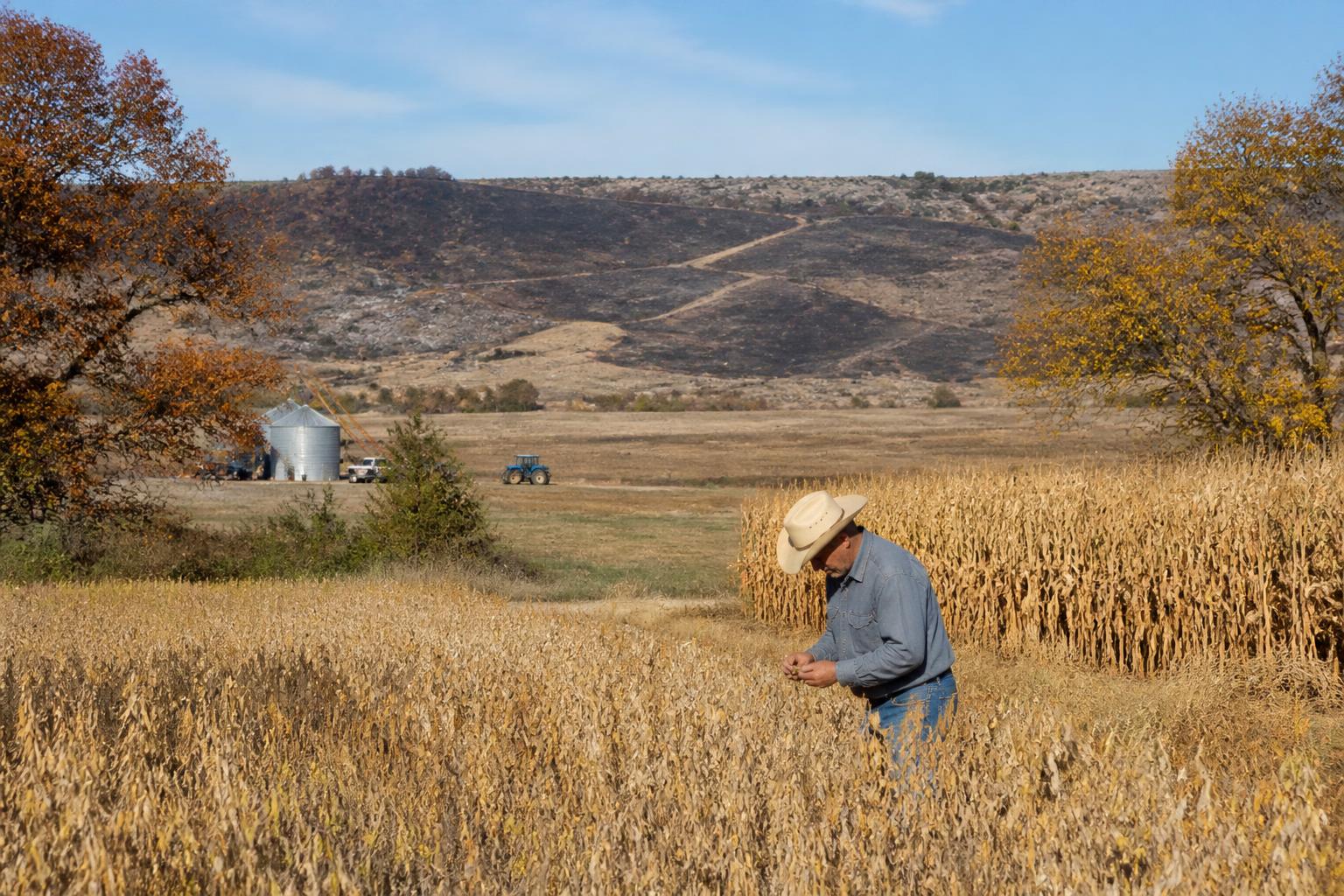
As harvest operations accelerate across South Dakota, growers face mounting pressure to manage tight storage capacity and navigate shifting export dynamics.
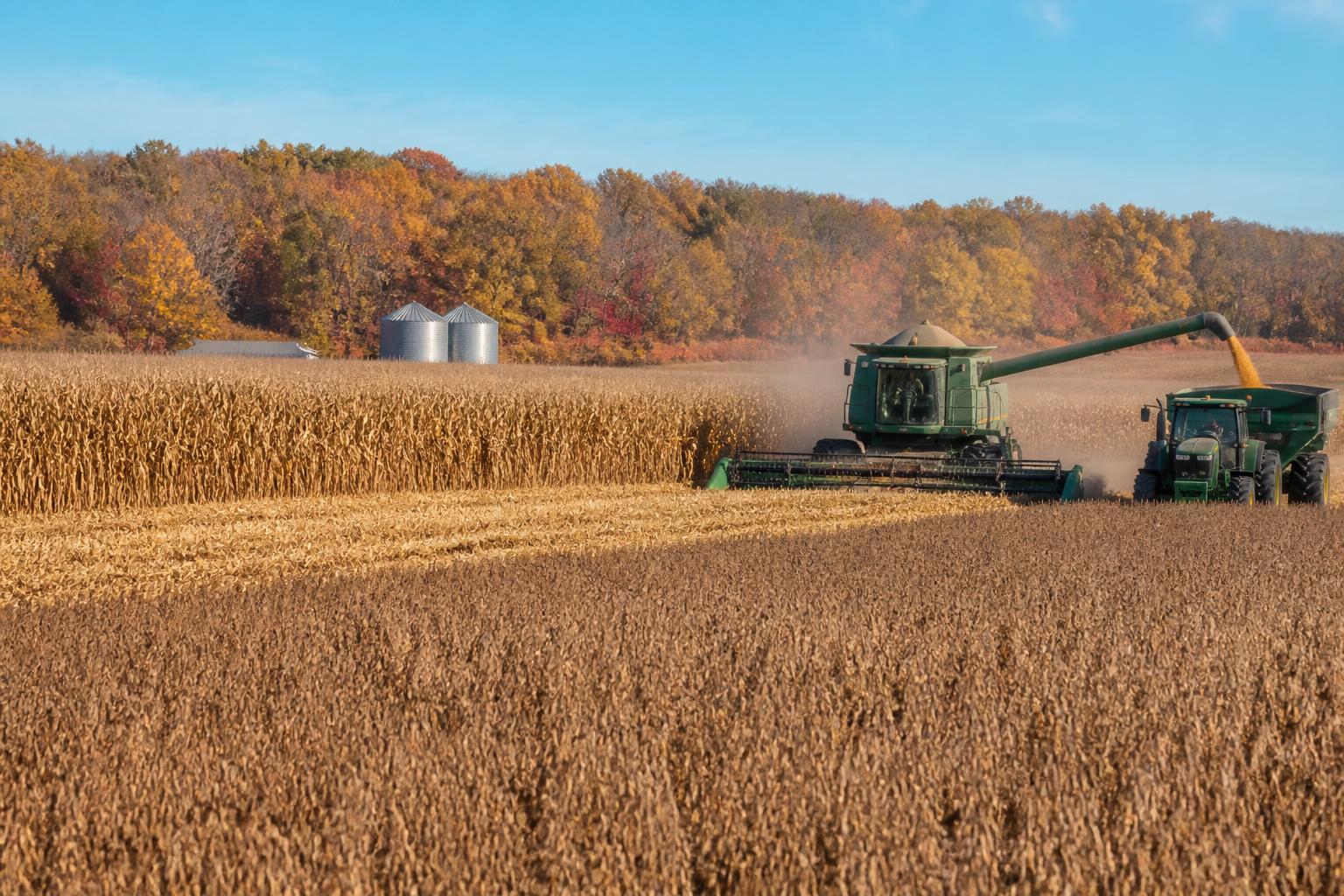
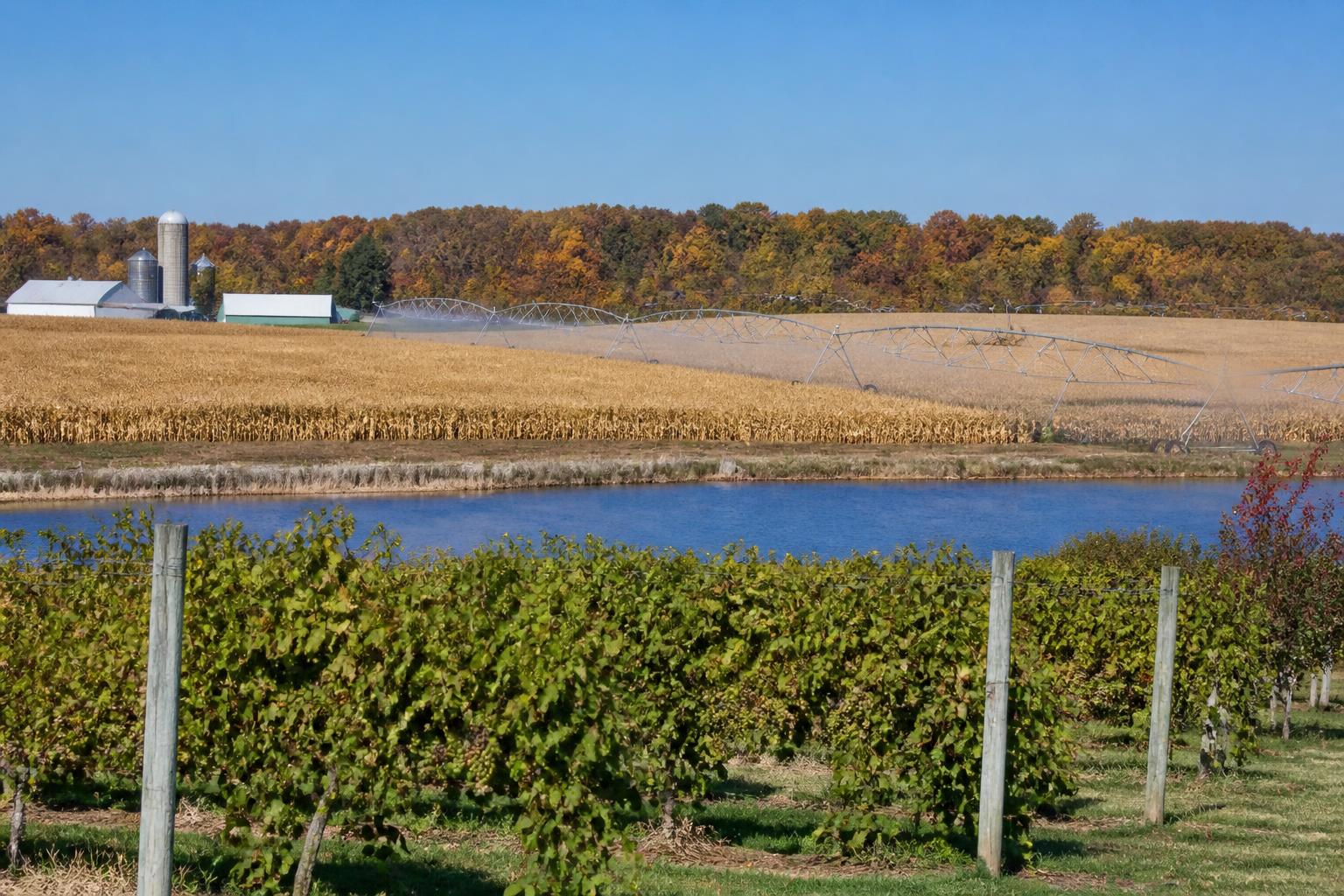
As Wisconsin producers wrap up a rapid harvest season, the focus shifts to balancing operational efficiency with ongoing environmental stewardship and pollinator protection initiatives.
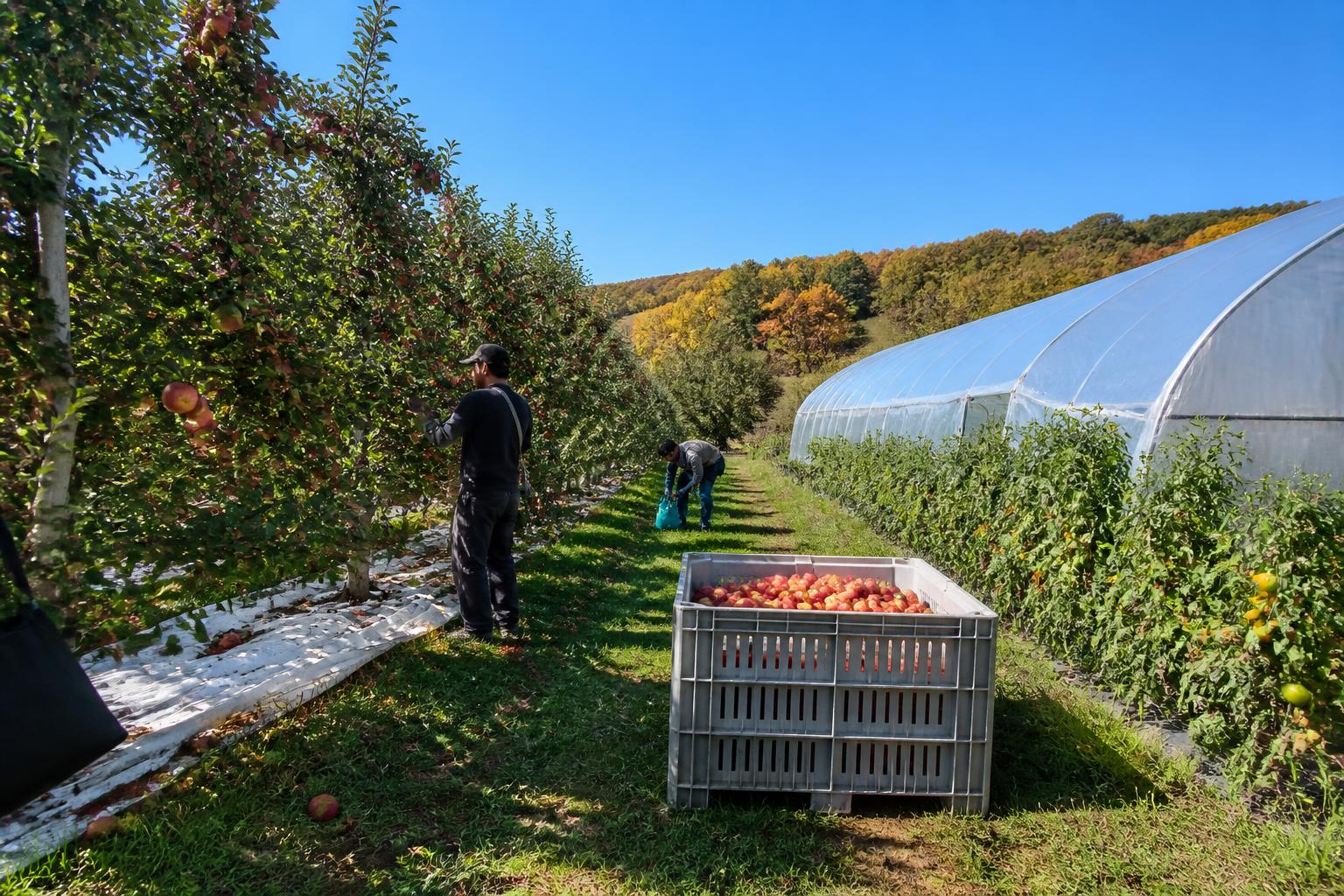
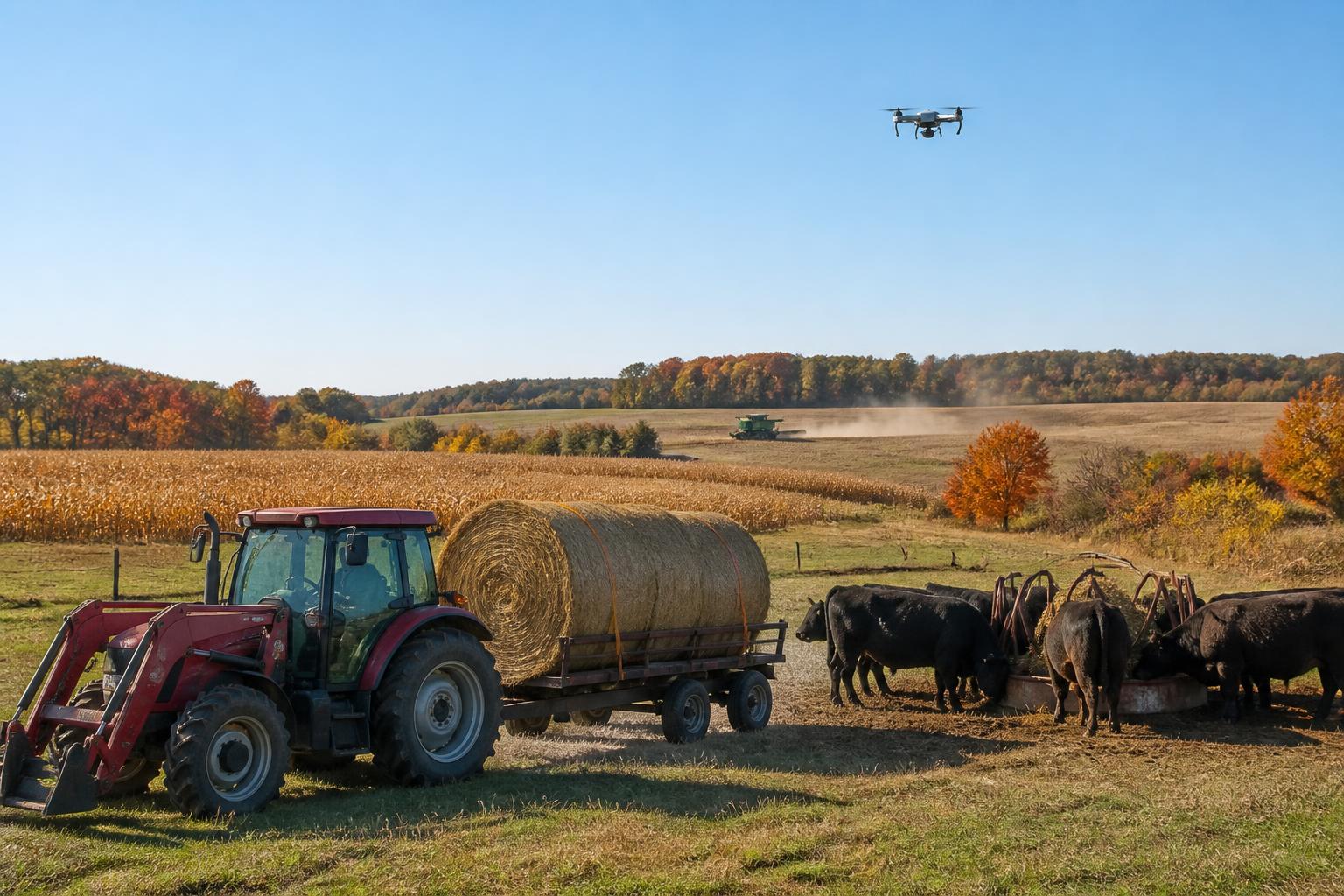
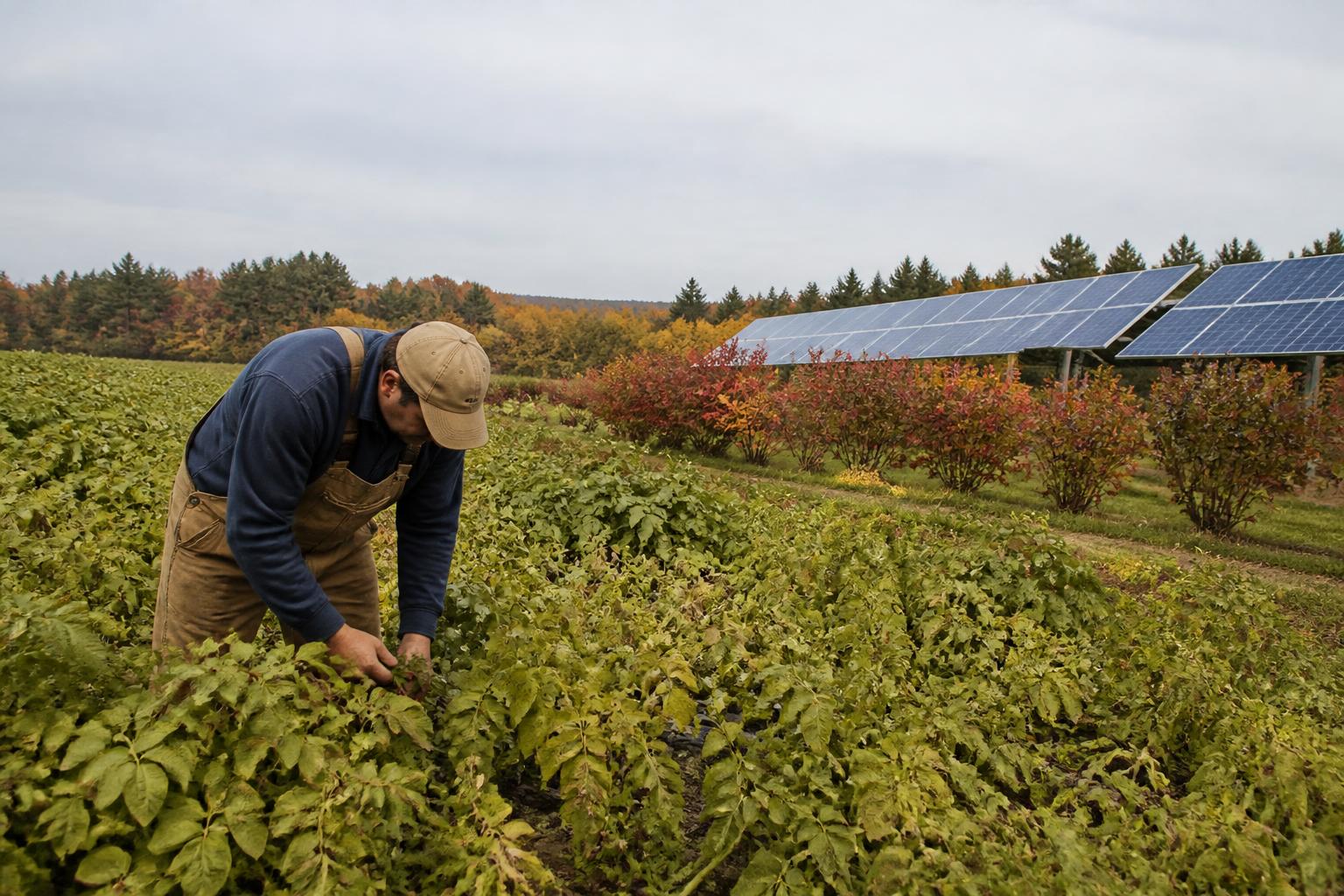
As Vermont farmers enter the peak of the fall harvest, producers are leveraging new technology and high-tunnel systems to maximize productivity amid ongoing regulatory and market shifts.
Virginia grain producers are balancing harvest-season logistics with broader market concerns as trade tensions and rising transport costs impact the local supply chain.
As North Dakota enters the peak fall harvest window, producers and grain handlers face a complex logistics landscape defined by rail milestones and ongoing infrastructure developments.
As the fall harvest season approaches in Delaware, growers face shifting global market conditions and input cost pressures that require careful attention to supply chain logistics.
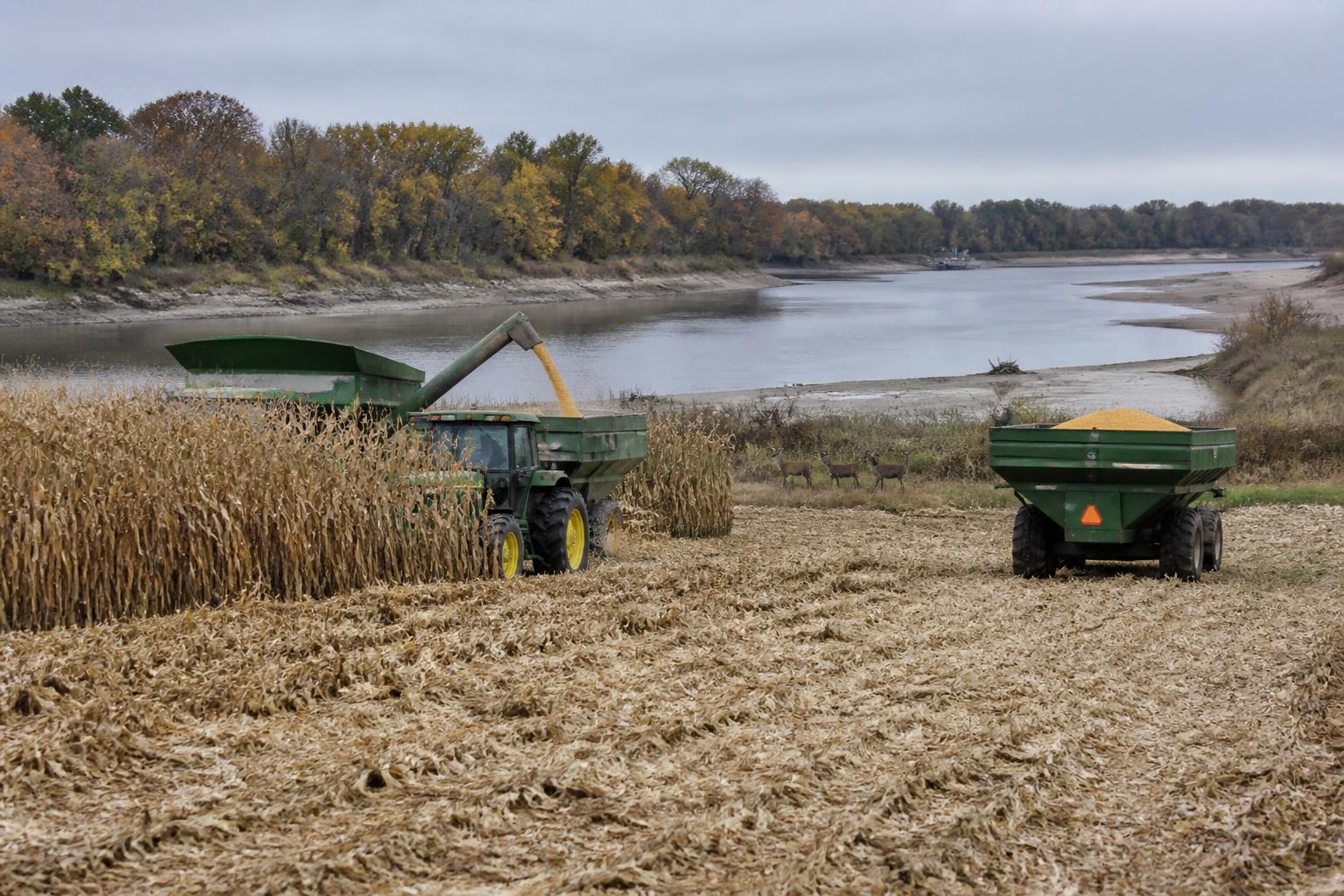
As Mississippi farmers push through the final stages of the harvest, managing crop protection from wildlife and addressing logistical hurdles remain critical for bottom-line stability.
As Alaska's harvest season peaks, growers are looking toward innovative biological inputs to manage pests and maintain the quality of their high-latitude crops.
As Texas producers move into the busy fall harvest season, logistics providers and farm operators are adjusting to shifting regulatory requirements and evolving regional infrastructure.
As fall field work accelerates across Missouri, producers are navigating a complex landscape of harvest efficiency, evolving production practices, and lingering economic uncertainty.
Sign in to manage requests, save contacts and respond to market offers quickly.
Continue with Google Continue with MicrosoftSign in to manage requests, save contacts and respond to market offers quickly.
Continue with Google Continue with MicrosoftEnter your email and we will send a password reset link.
Don't have an account?
We value your privacy
We use cookies to run the site and, with your consent, to measure traffic (Google Analytics) and personalize ads. You can accept, reject, or choose. Privacy Policy