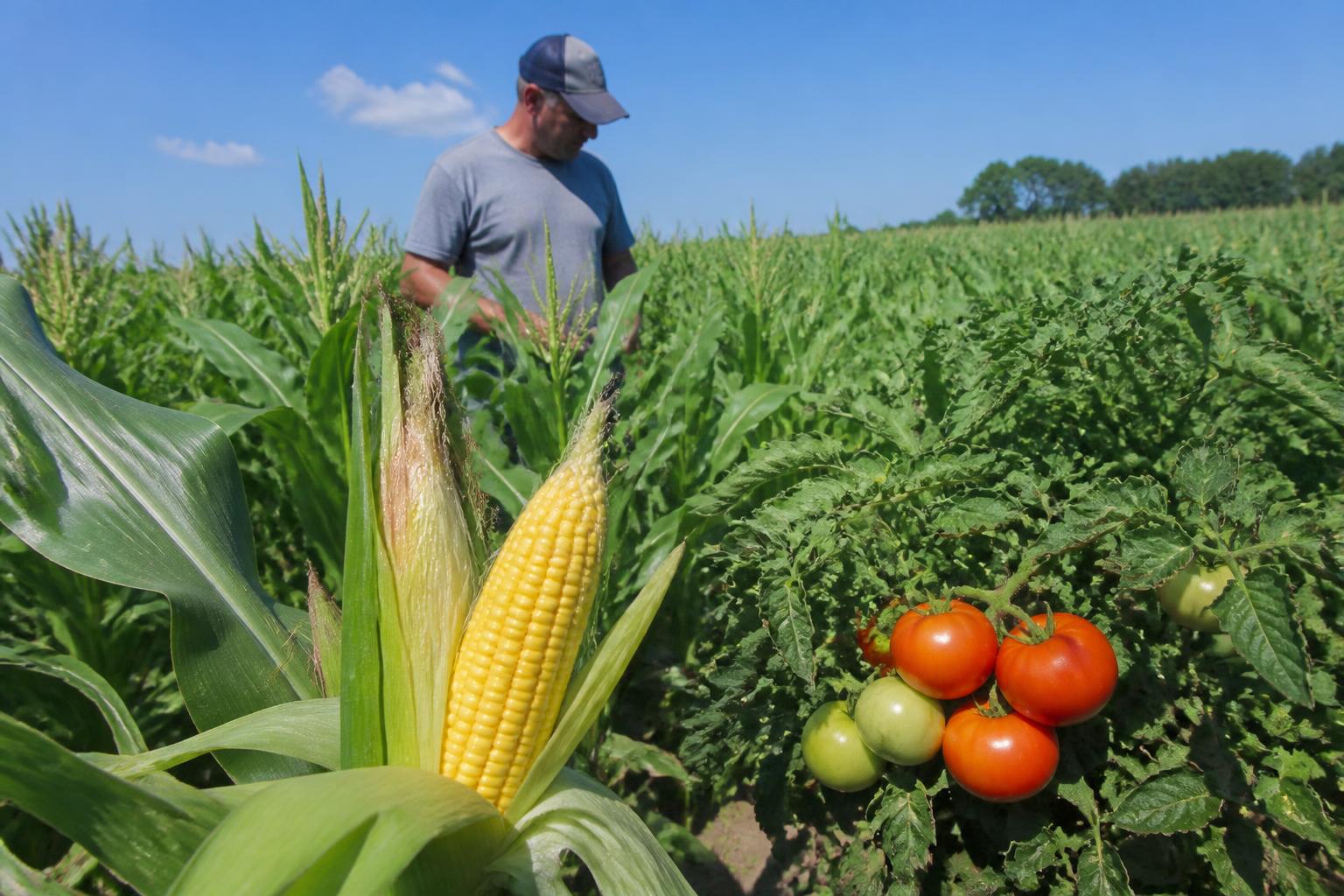
Late-Summer Grain Market Update for Connecticut Producers
As corn prices shift during the late-summer harvest window, Connecticut agribusinesses are focusing on supply chain resilience and local pest management to protect yields.
We collect original digests and analytical notes based on facts, market signals and verified sources.
As South Carolina producers navigate the end of the harvest season, global supply chain pressures and upcoming agricultural leadership changes are shaping local market outlooks.
As corn prices shift during the late-summer harvest window, Connecticut agribusinesses are focusing on supply chain resilience and local pest management to protect yields.
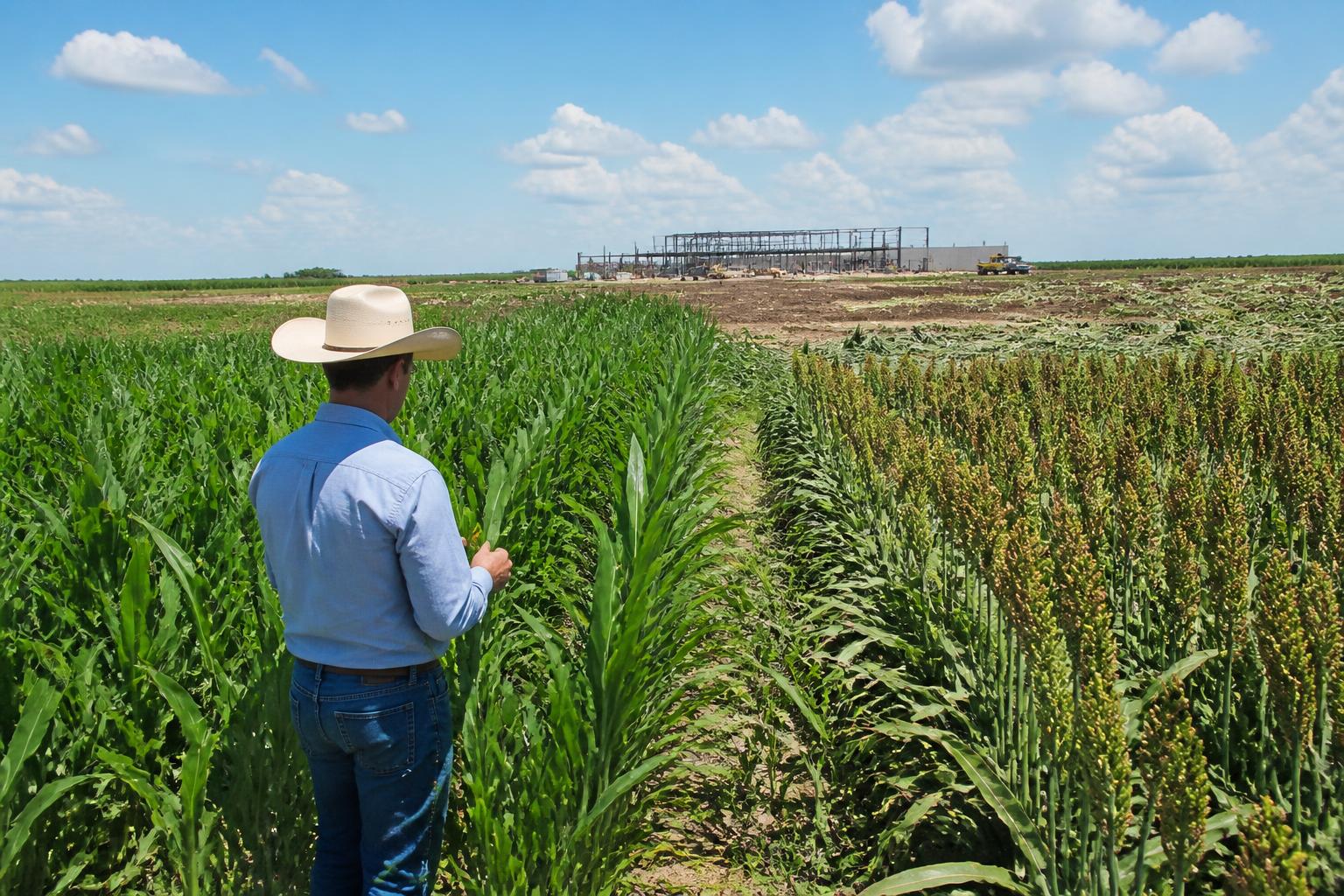
Recent moisture levels in key Texas production areas are supporting favorable conditions for corn and sorghum, offering a cautious glimmer of optimism for local producers.
As harvest operations intensify across Oregon, producers are balancing mid-summer logistical challenges with an emphasis on storage and supply-chain efficiency.
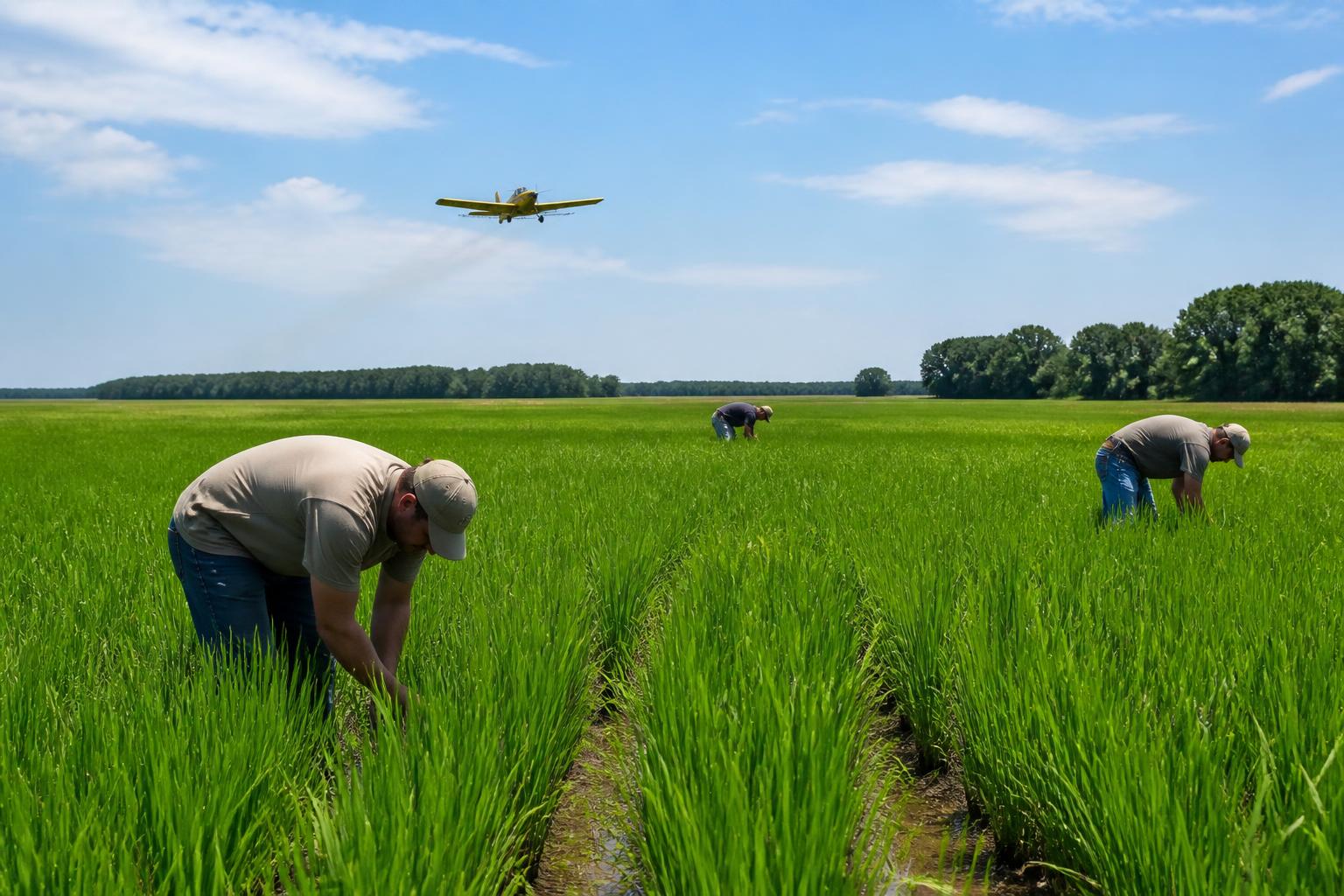
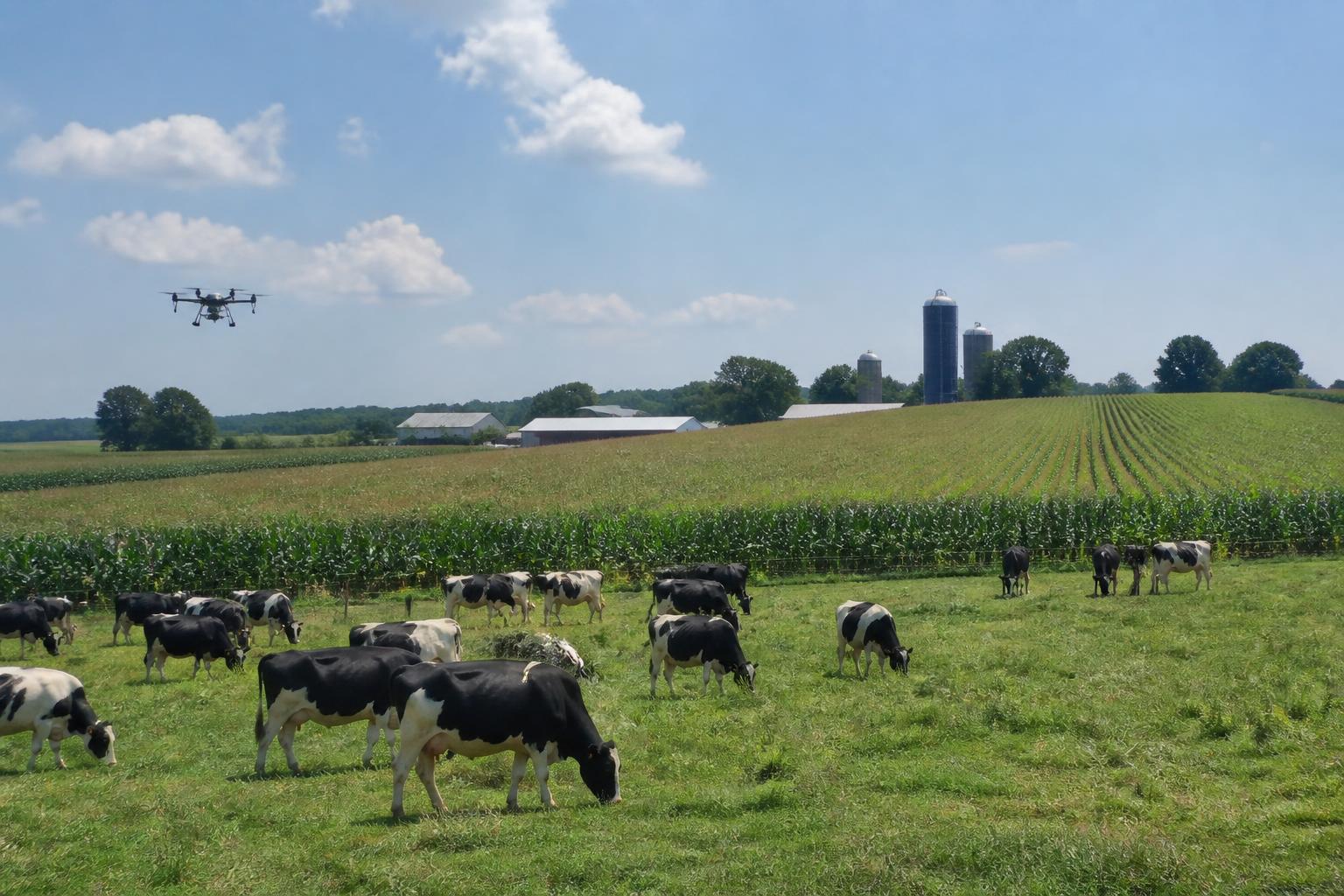
As Maryland farmers push through late summer, increased aerial activity for cover crop seeding and shifting harvest timelines demand heightened logistical awareness for local growers and haulers.
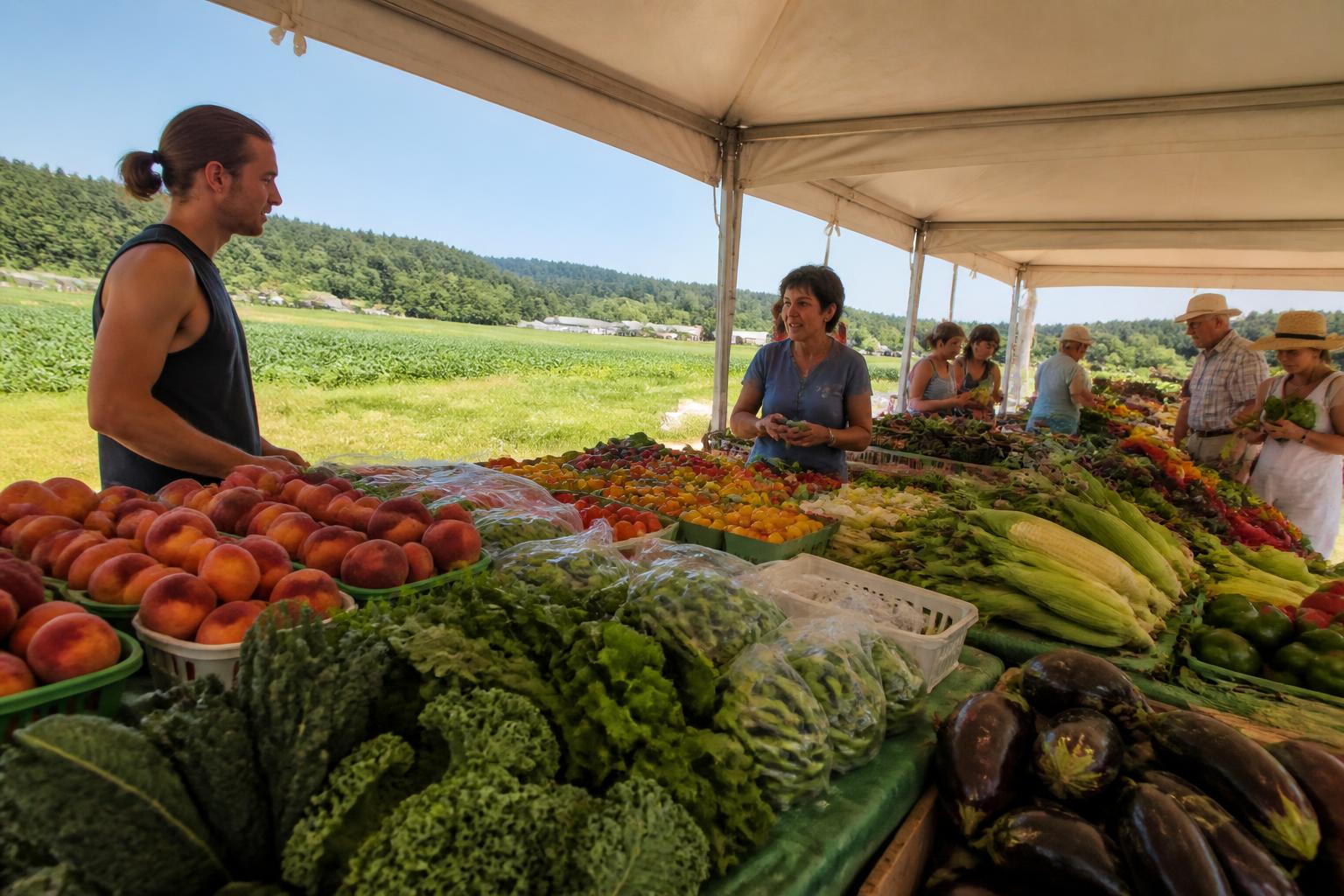
As August progress, Massachusetts producers are balancing evolving ag-tech integration with market-driven shifts in how crops like cranberries and specialty produce reach consumers.
As Idaho producers move through the peak of the summer harvest, wheat price expectations remain under pressure while specialized crop management and logistics remain front of mind.
As North Dakota producers enter the critical late-summer harvest window, logistical planning and equipment mobility remain central to navigating seasonal bottlenecks.
As the summer season progresses, Massachusetts producers are monitoring national acreage data and regional storage readiness to prepare for the upcoming harvest cycle.
As harvest operations progress, Missouri producers face critical logistical bottlenecks and shifting operational demands that require strategic planning.
As Rhode Island enters the peak of harvest season, agricultural producers face shifting logistical landscapes and evolving market demands that require proactive planning.
As Louisiana producers navigate a complex late-summer landscape, infrastructure reliability and shifting export conditions remain at the forefront of operational planning.
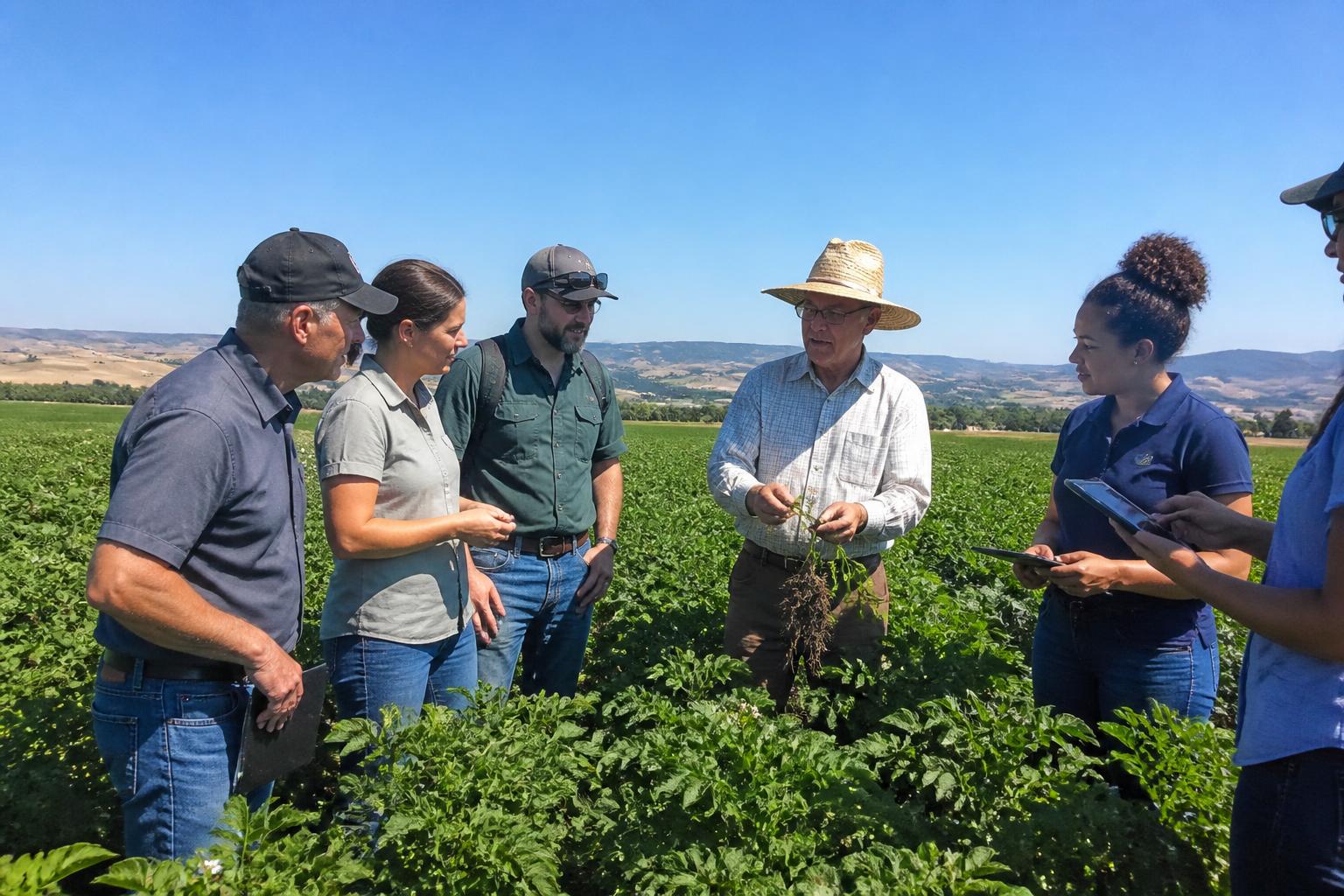
As Missouri producers move through late summer, persistent moisture in some fields is prompting concerns over root rot while regional ag operations focus on labor and tech efficiency.
Sign in to manage requests, save contacts and respond to market offers quickly.
Continue with Google Continue with MicrosoftSign in to manage requests, save contacts and respond to market offers quickly.
Continue with Google Continue with MicrosoftEnter your email and we will send a password reset link.
Don't have an account?
We value your privacy
We use cookies to run the site and, with your consent, to measure traffic (Google Analytics) and personalize ads. You can accept, reject, or choose. Privacy Policy