Managing Input Costs as Oklahoma Ag Producers Navigate Market Shifts
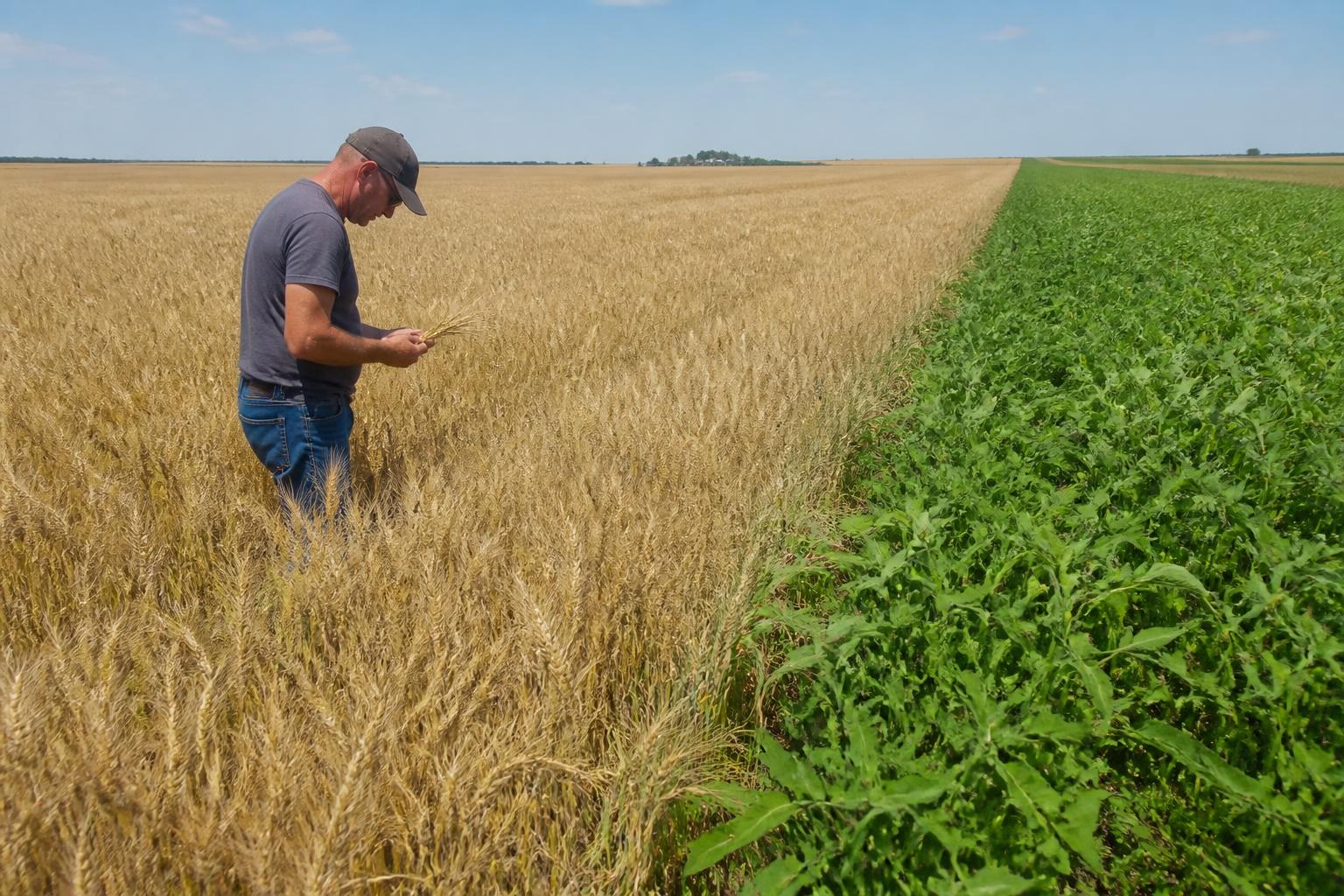
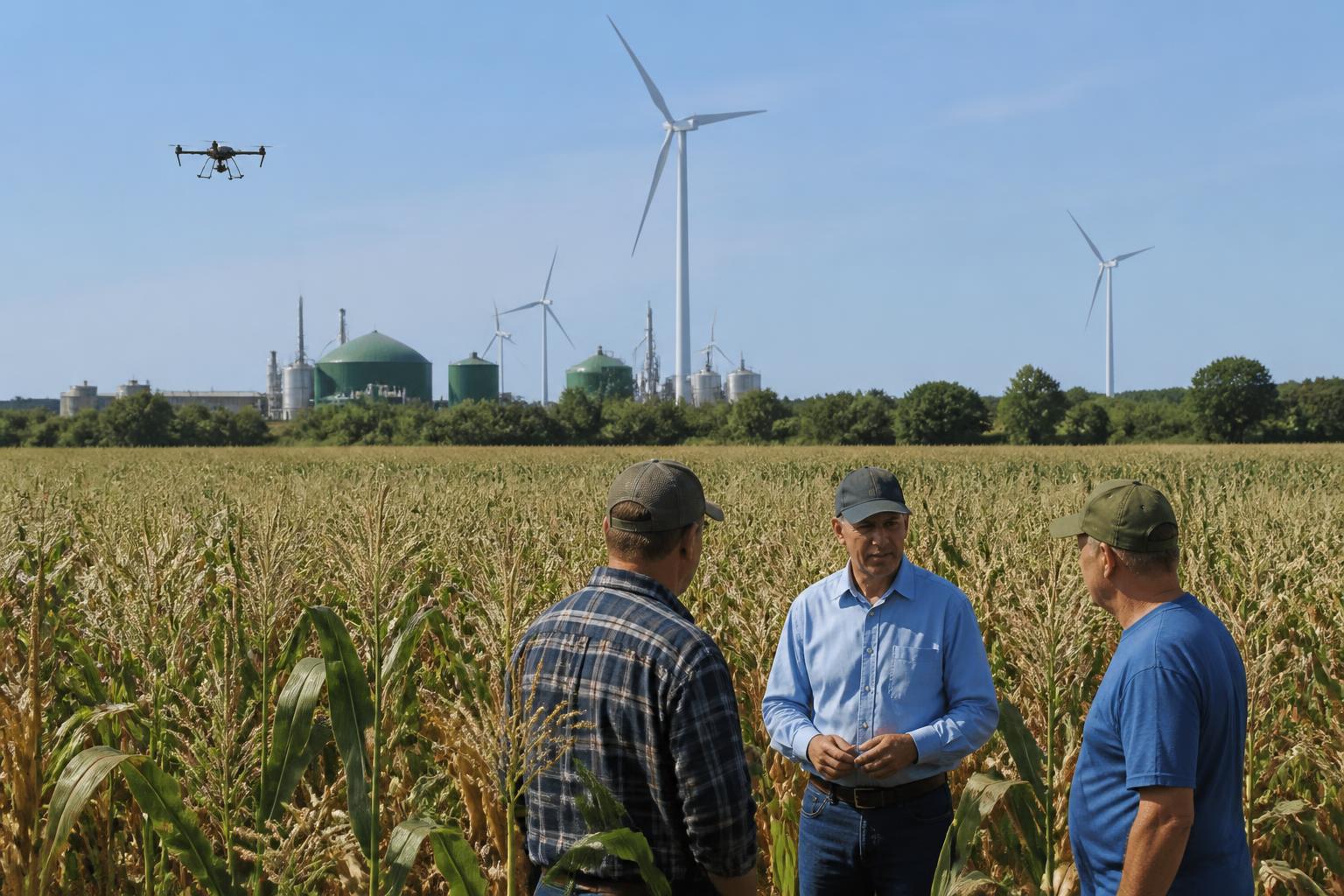
Oklahoma producers are balancing strong harvest results in some sectors with the persistent challenge of volatile global fertilizer prices and rising operational costs.
We collect original digests and analytical notes based on facts, market signals and verified sources.
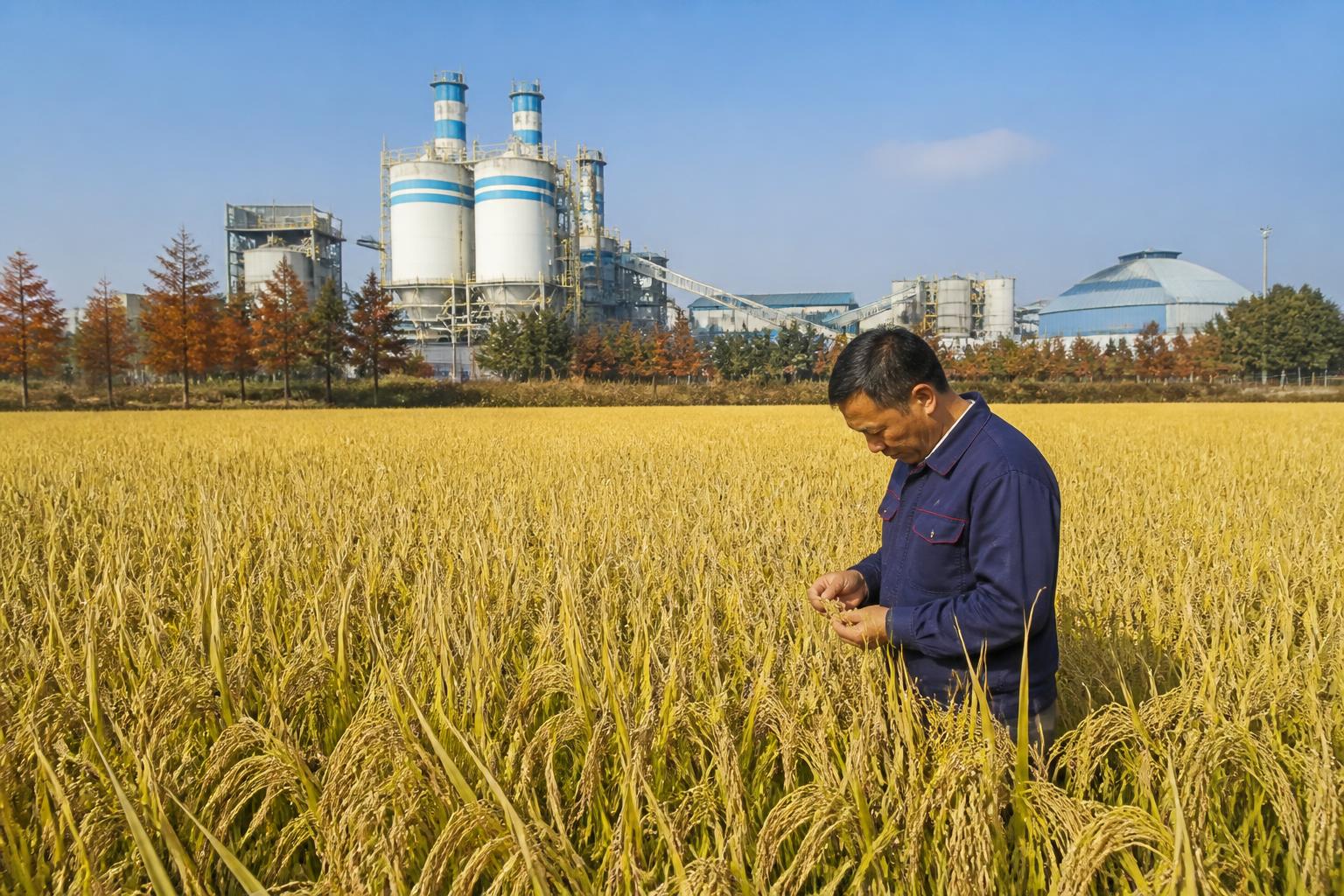
Louisiana producers are monitoring a cooling trend in domestic fertilizer prices alongside significant investments in local processing capacity and regional infrastructure.
Oklahoma producers are balancing strong harvest results in some sectors with the persistent challenge of volatile global fertilizer prices and rising operational costs.
As Maine producers navigate mid-summer crop development, attention turns to fertility management and the long-term outlook for input stability.
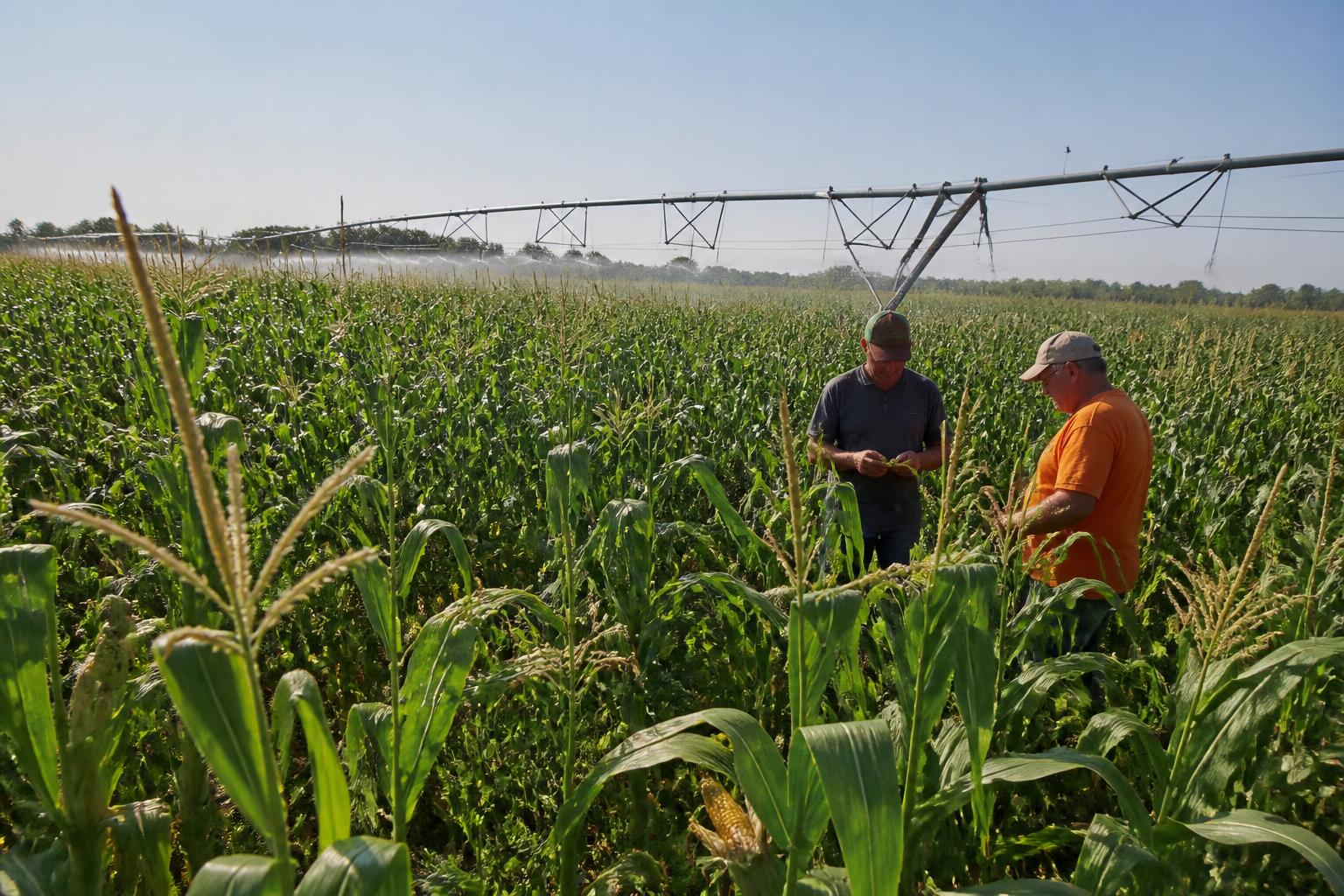
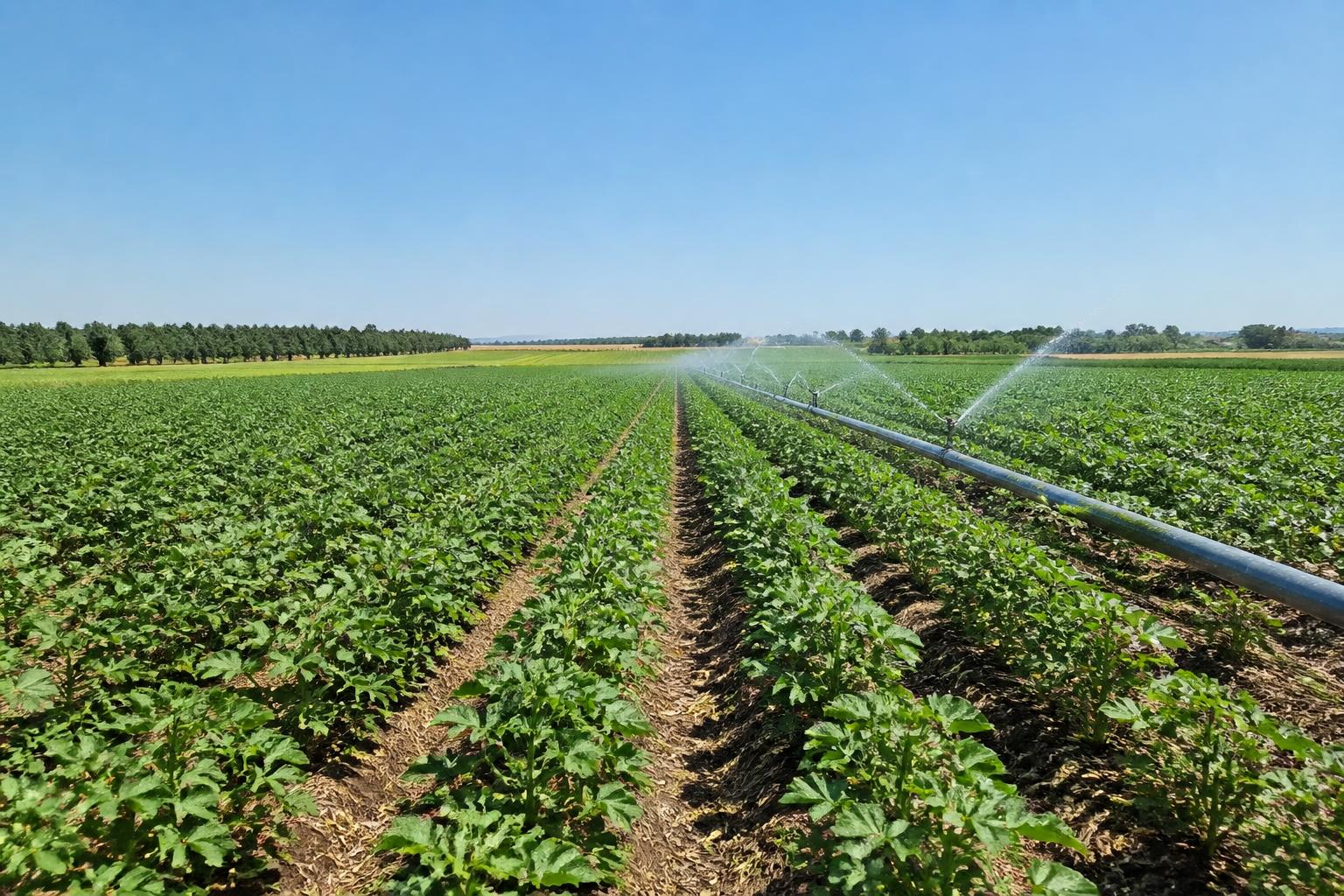
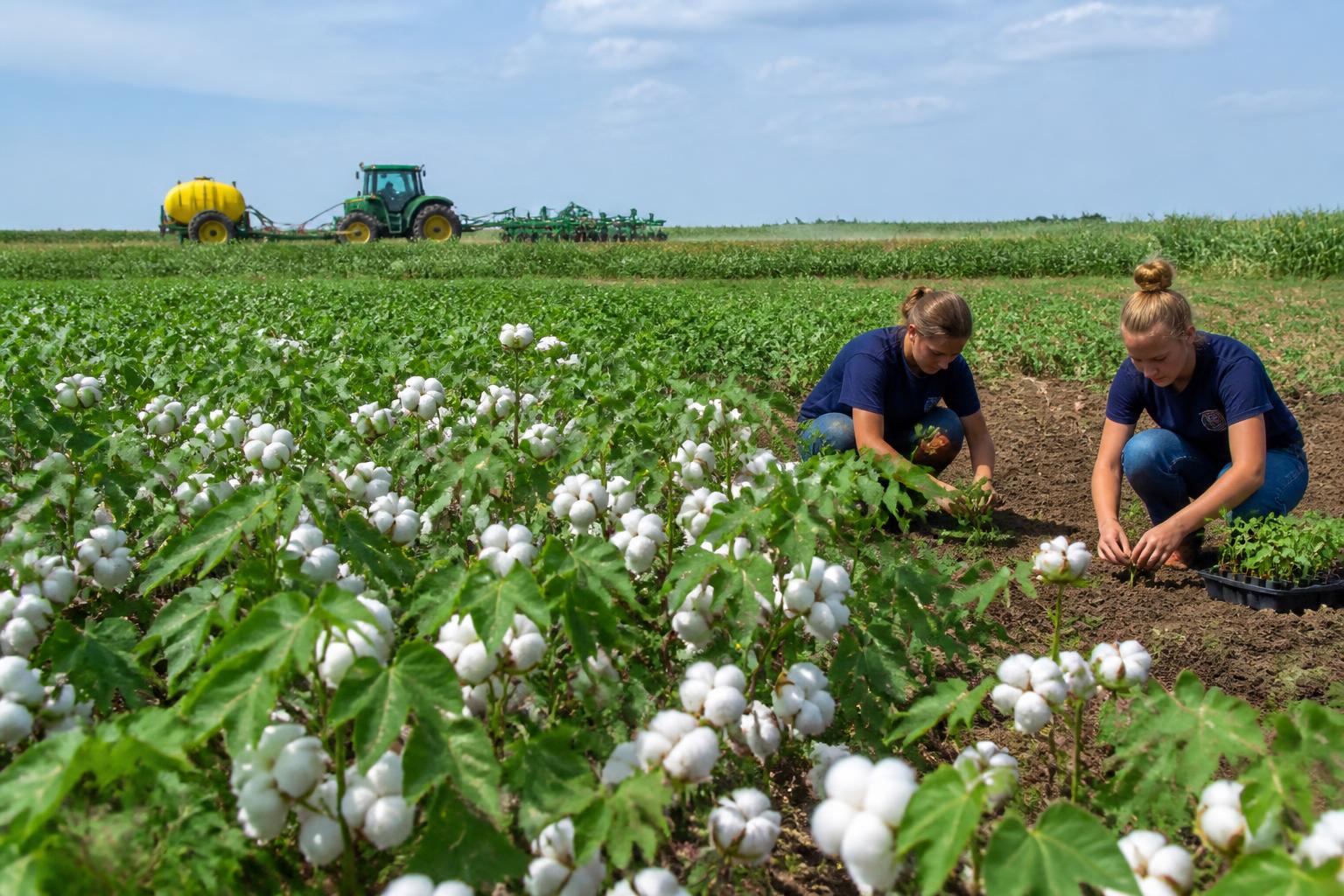
As Mississippi farmers navigate the peak of the summer season, a focus on irrigation efficiency and strategic input management remains critical for maintaining crop yields.
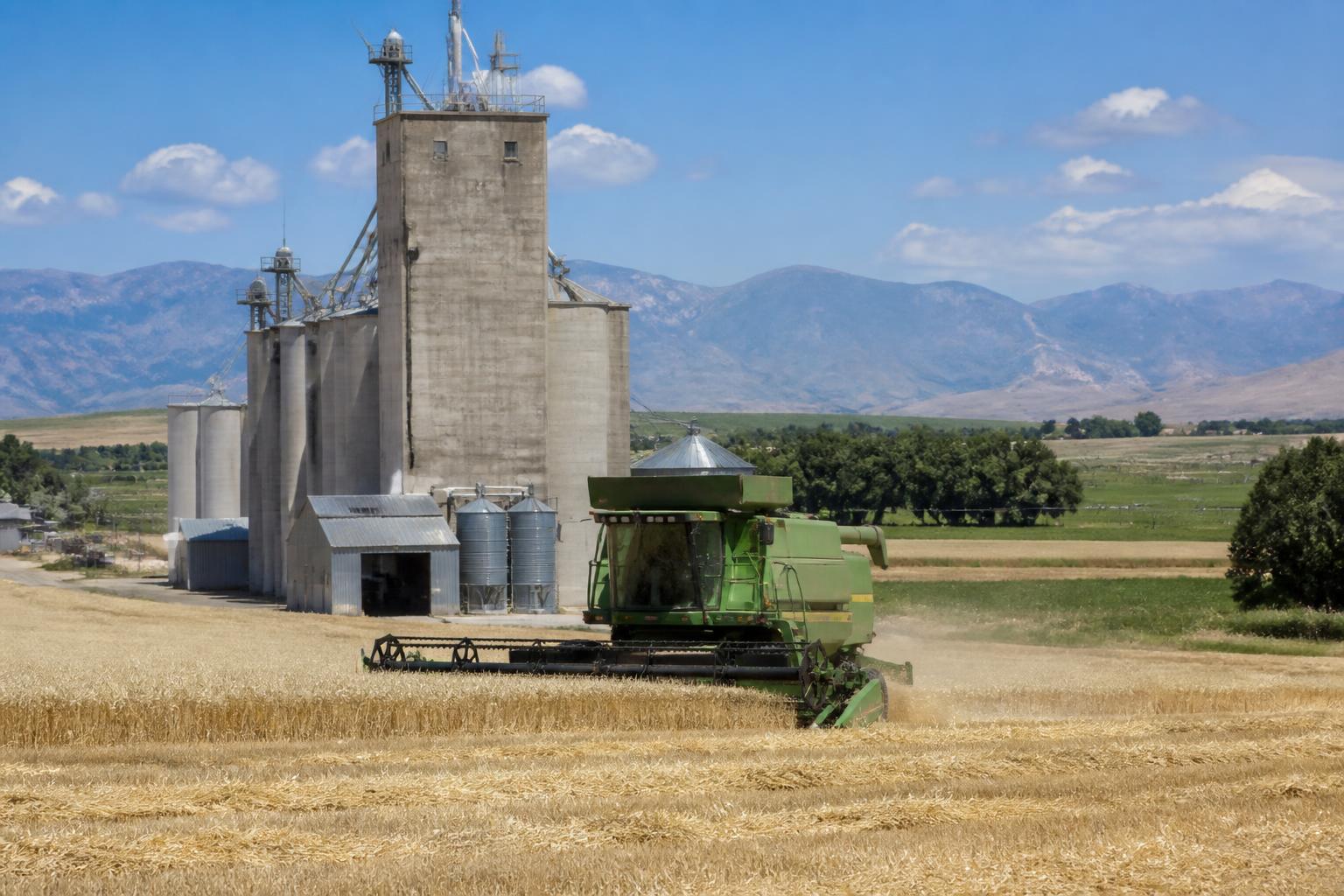
As Montana producers move through the mid-summer stretch, focus shifts toward managing variable input costs and adjusting to localized infrastructure changes that impact regional grain movement.
As South Dakota moves through the peak summer season, producers are managing mid-season pest pressures and evaluating long-term trends in input sustainability and supply chain stability.
As summer operations intensify in Vermont, producers are managing regulatory shifts in chemical applications while balancing environmental challenges and production diversification.
New Mexico producers are weighing the impacts of evolving USMCA trade reviews and rising input cost forecasts against ongoing regional water challenges.
As Delaware growers manage mid-summer crop development, they are contending with rising fertilizer costs and fluctuating market conditions that demand careful nutrient management.
California growers face a challenging summer season as narrowing profit margins and evolving regulatory requirements force a closer look at input management and operational efficiency.
As Minnesota crops progress into the height of the summer growing season, producers are managing rising input expenses and potential pest threats with a mix of technology and careful monitoring.
Sign in to manage requests, save contacts and respond to market offers quickly.
Continue with Google Continue with MicrosoftSign in to manage requests, save contacts and respond to market offers quickly.
Continue with Google Continue with MicrosoftEnter your email and we will send a password reset link.
Don't have an account?
We value your privacy
We use cookies to run the site and, with your consent, to measure traffic (Google Analytics) and personalize ads. You can accept, reject, or choose. Privacy Policy